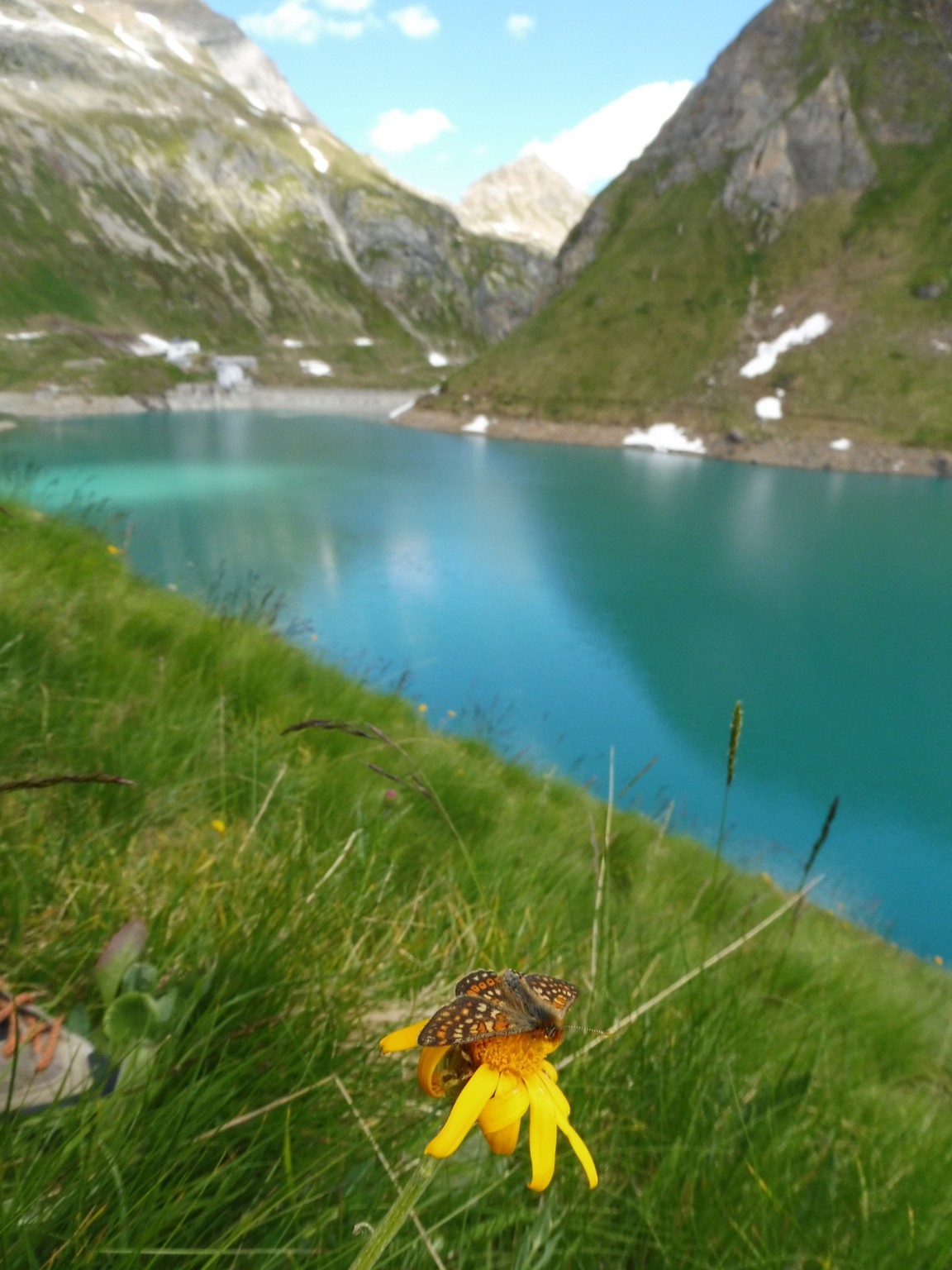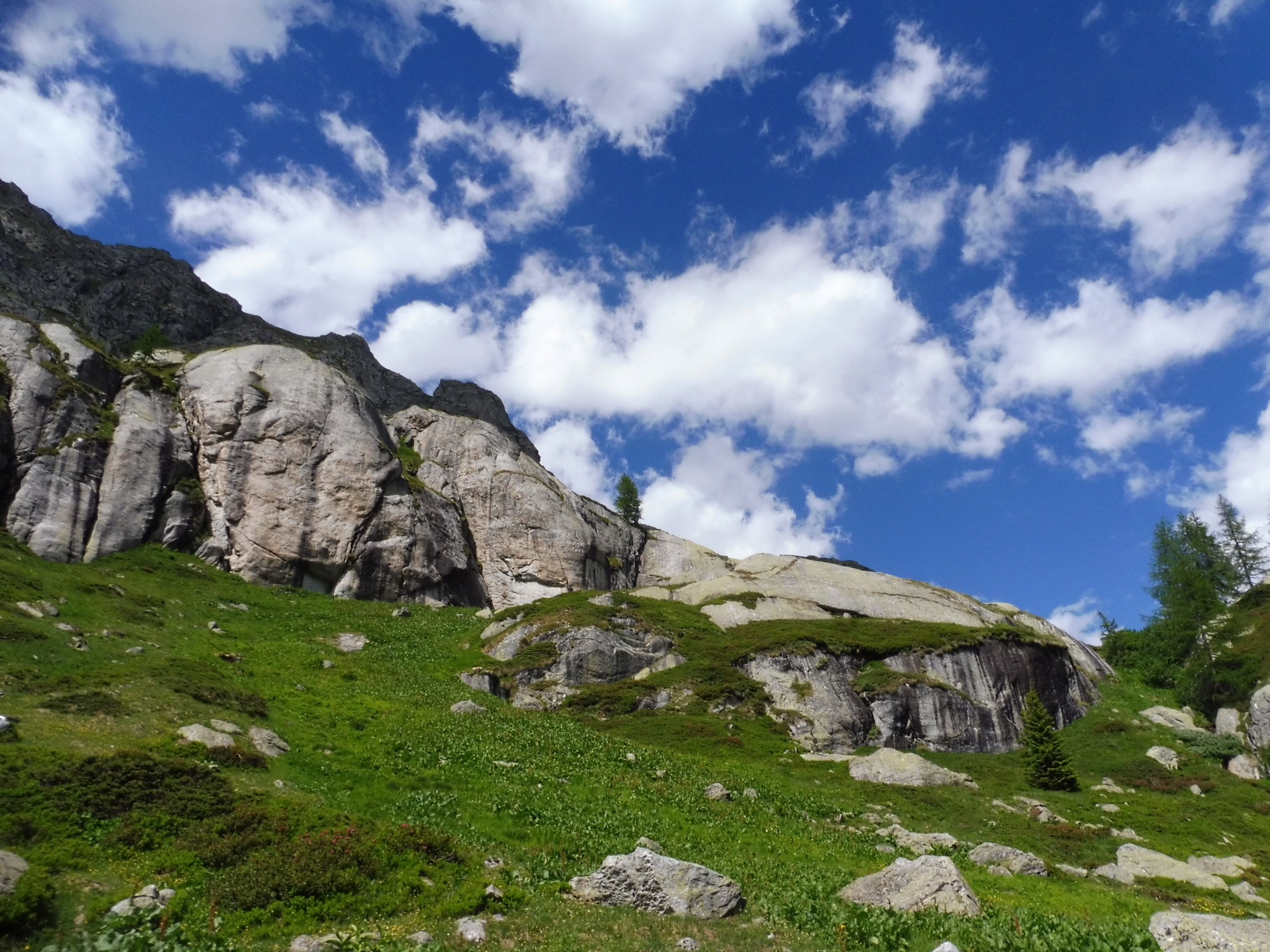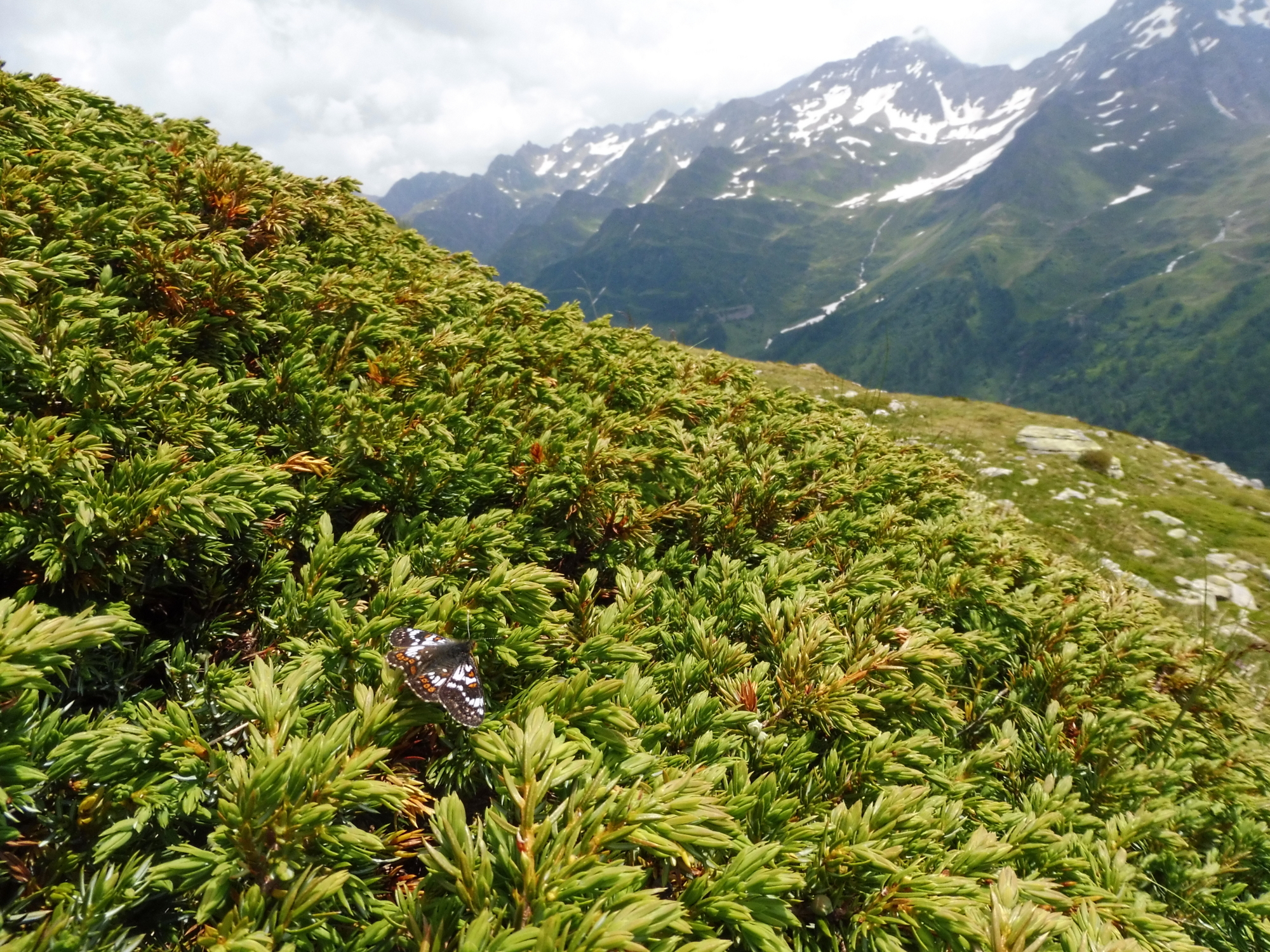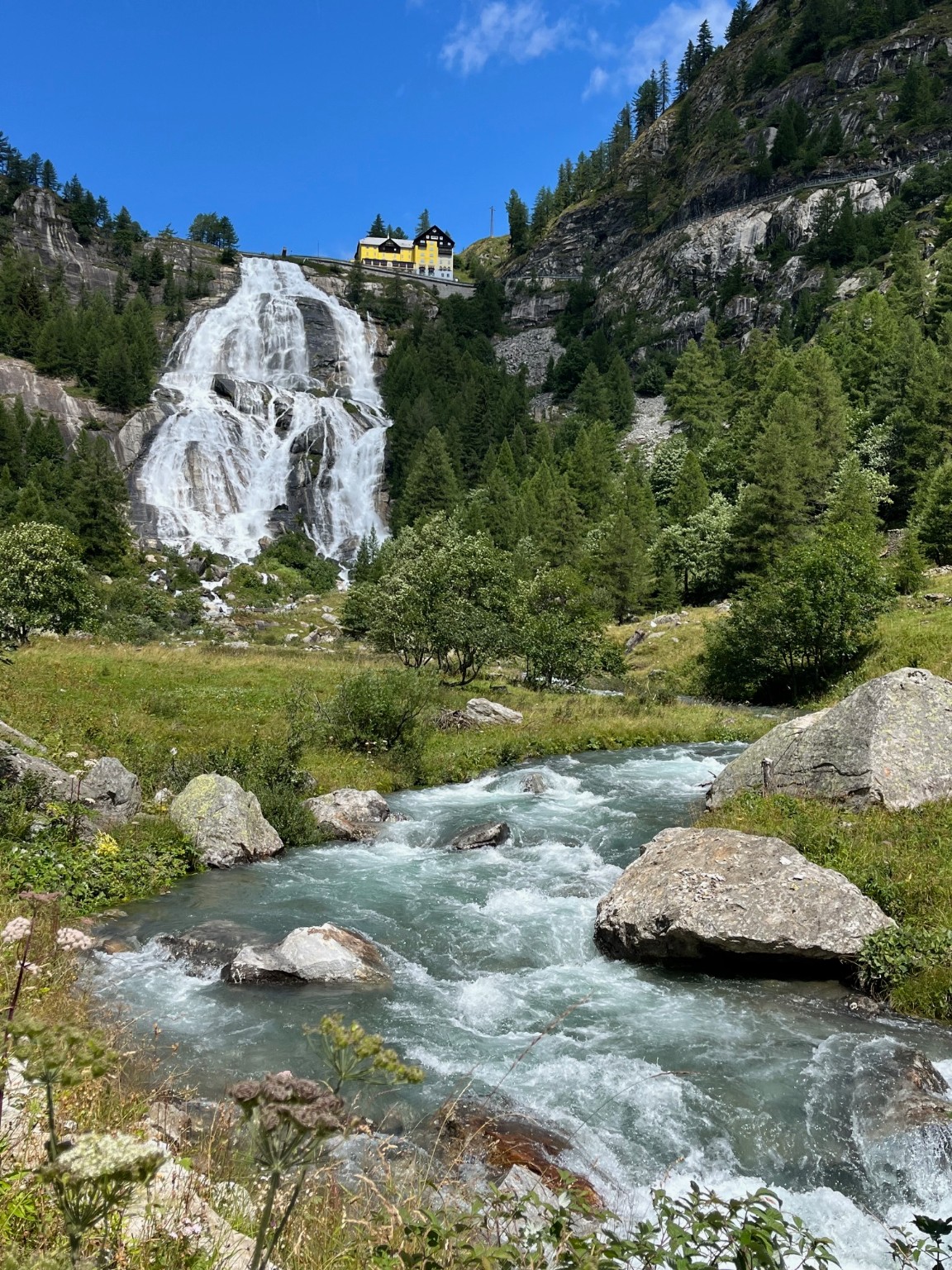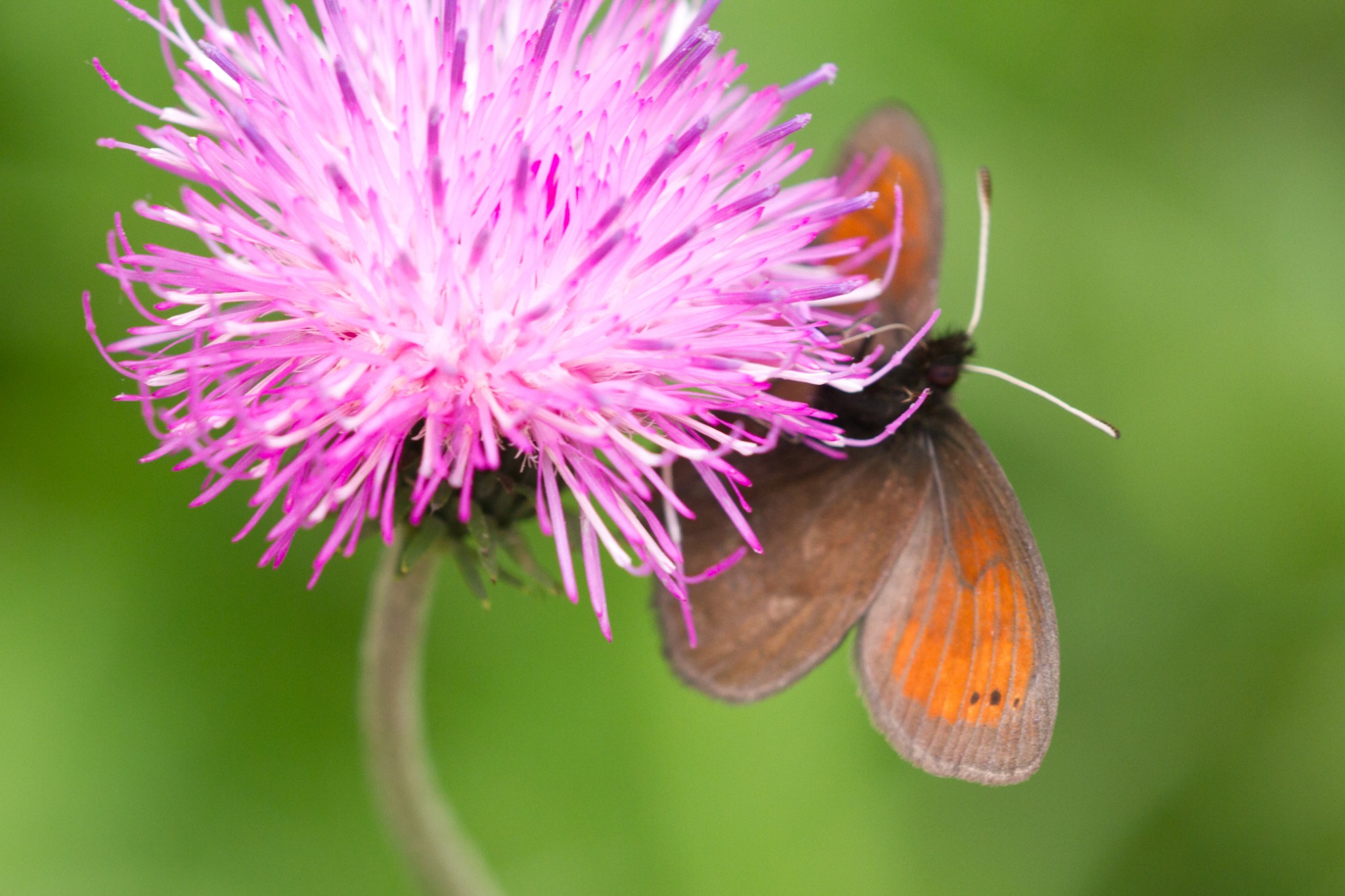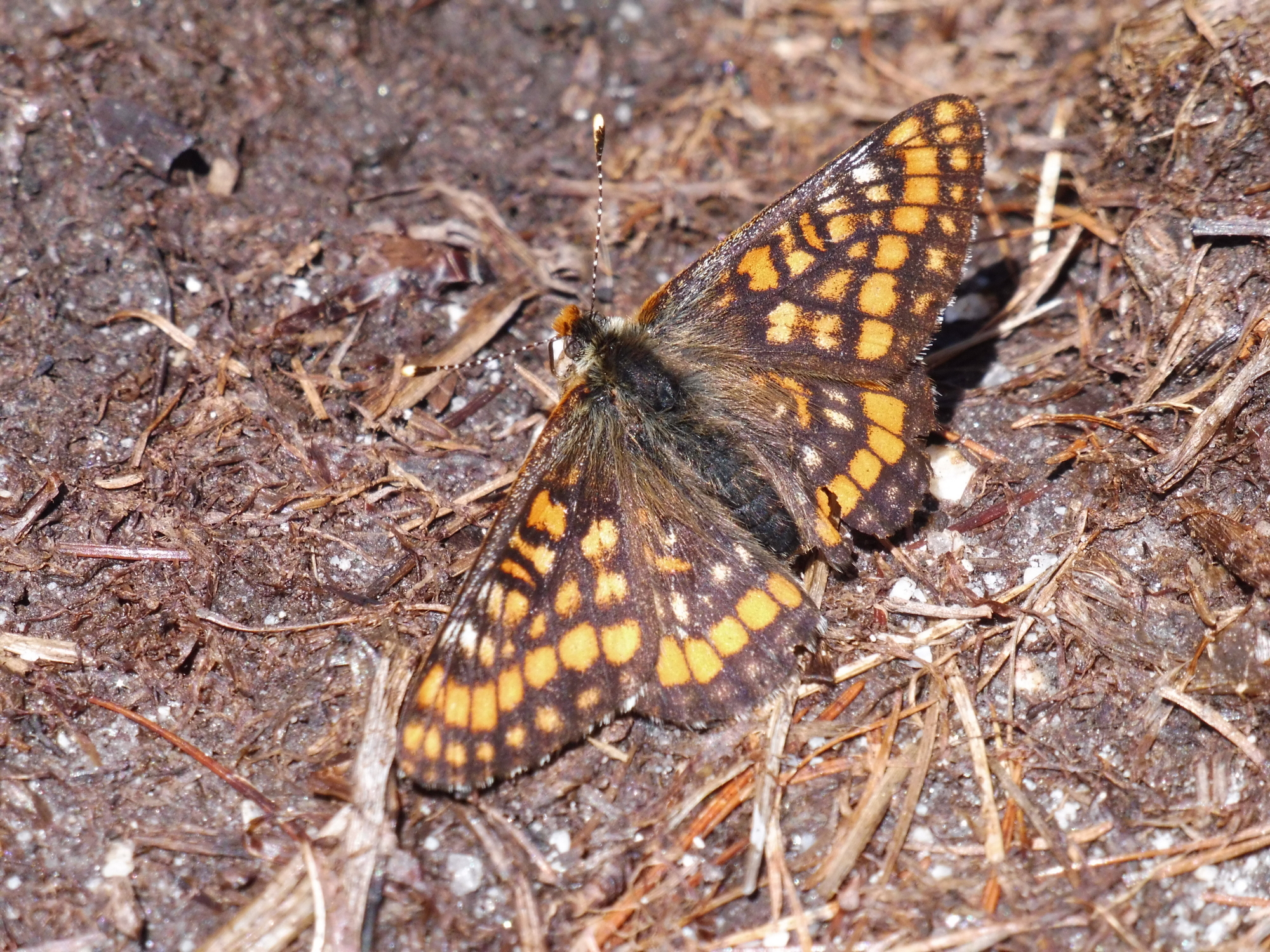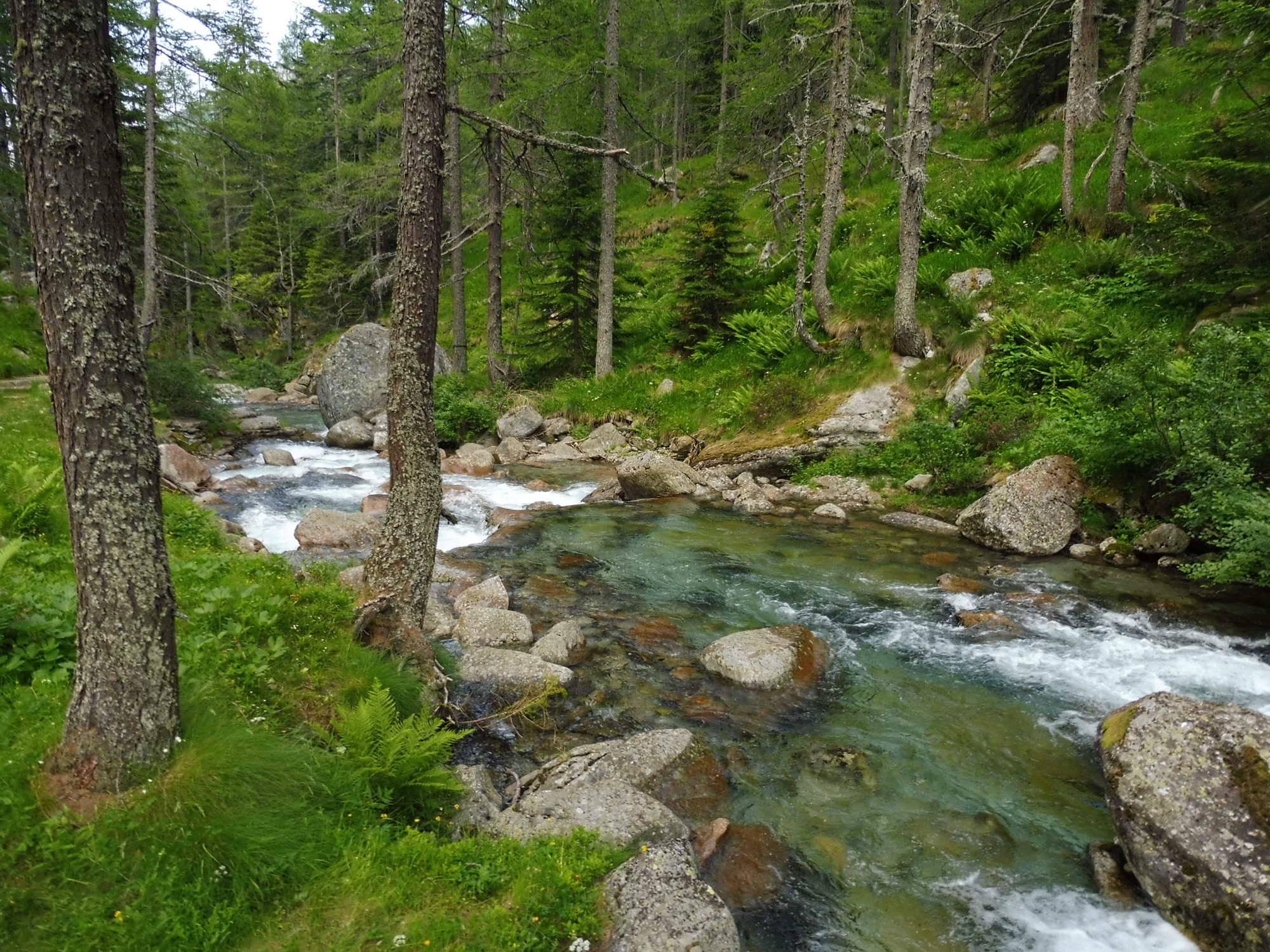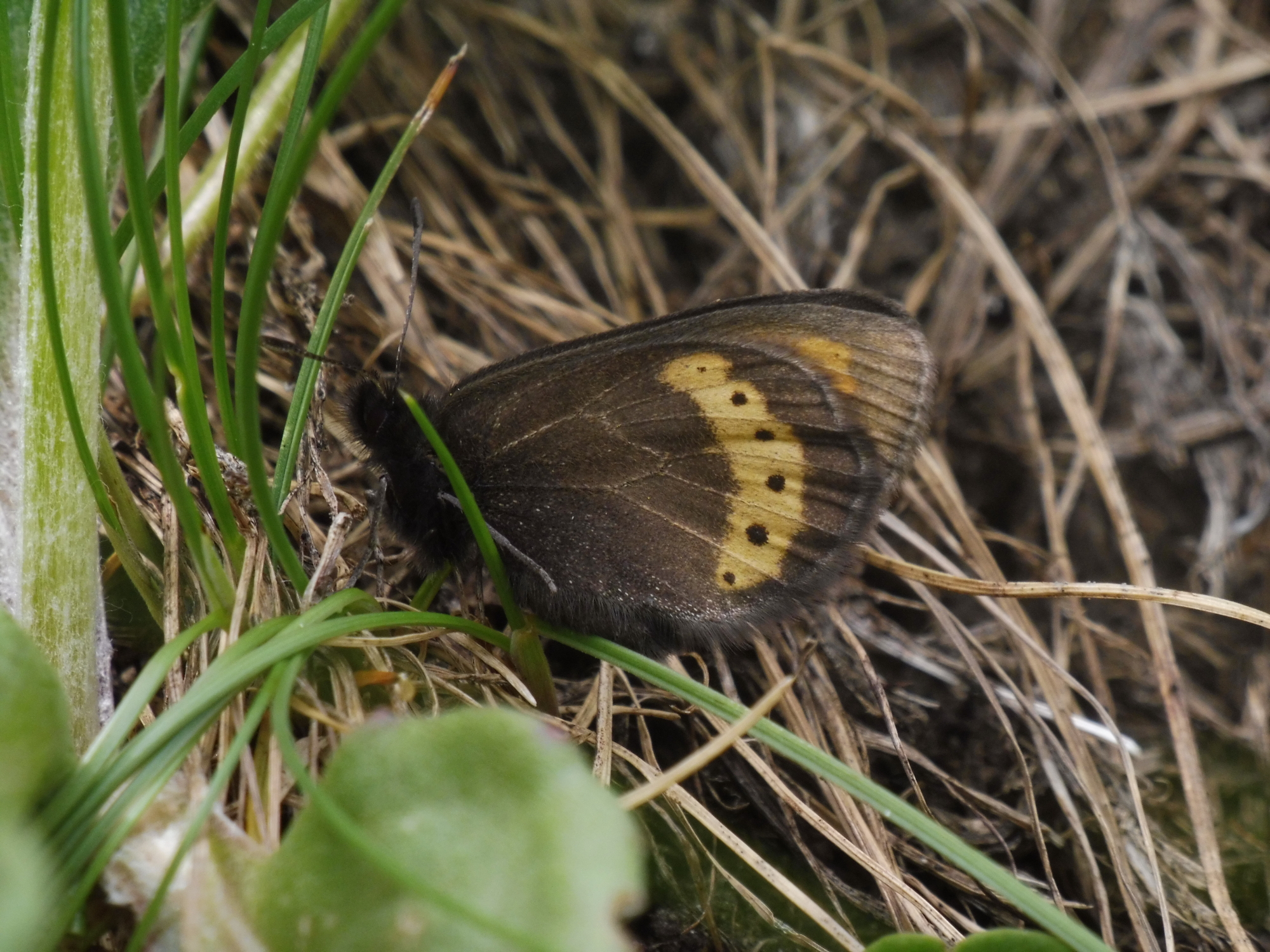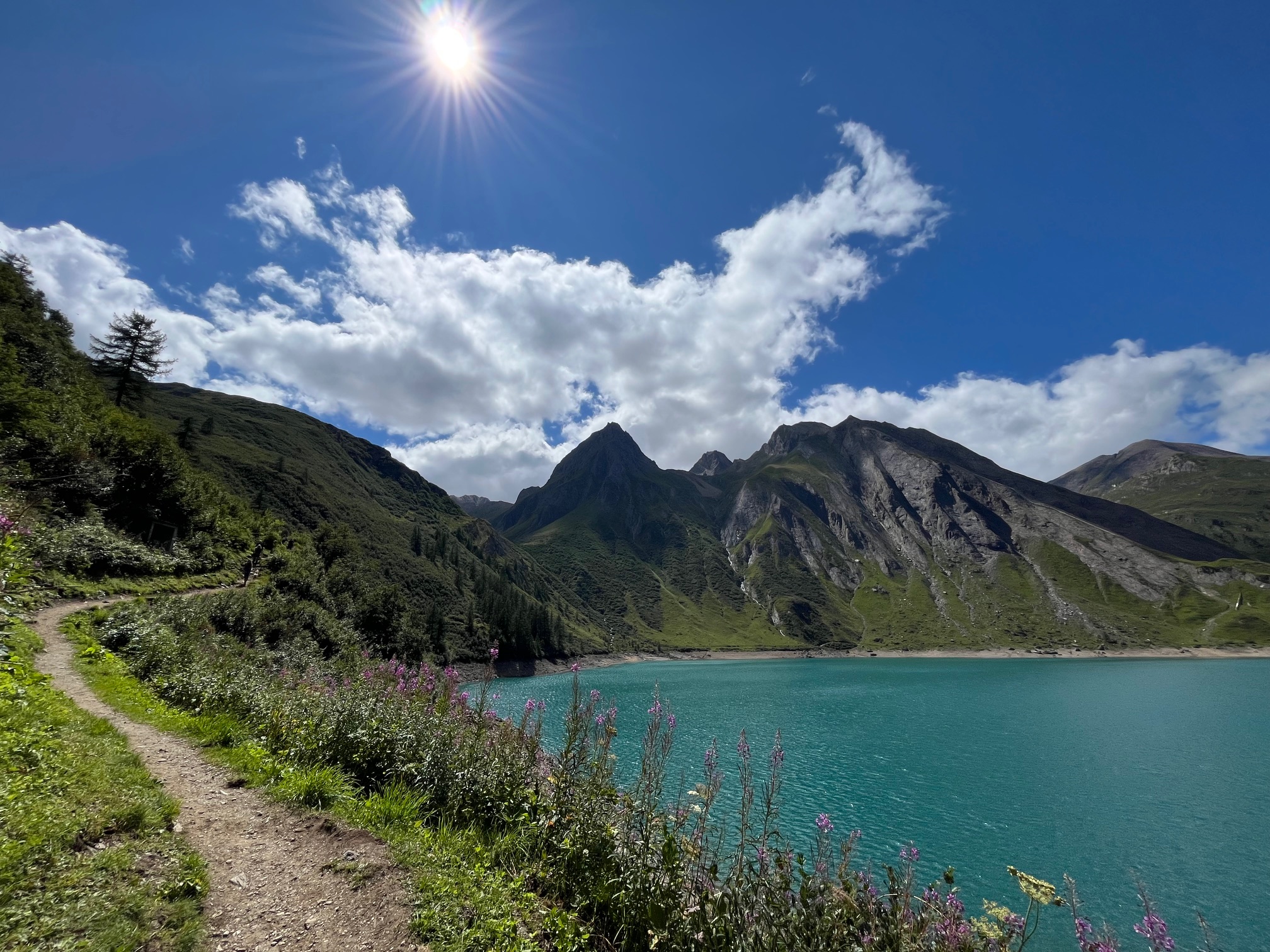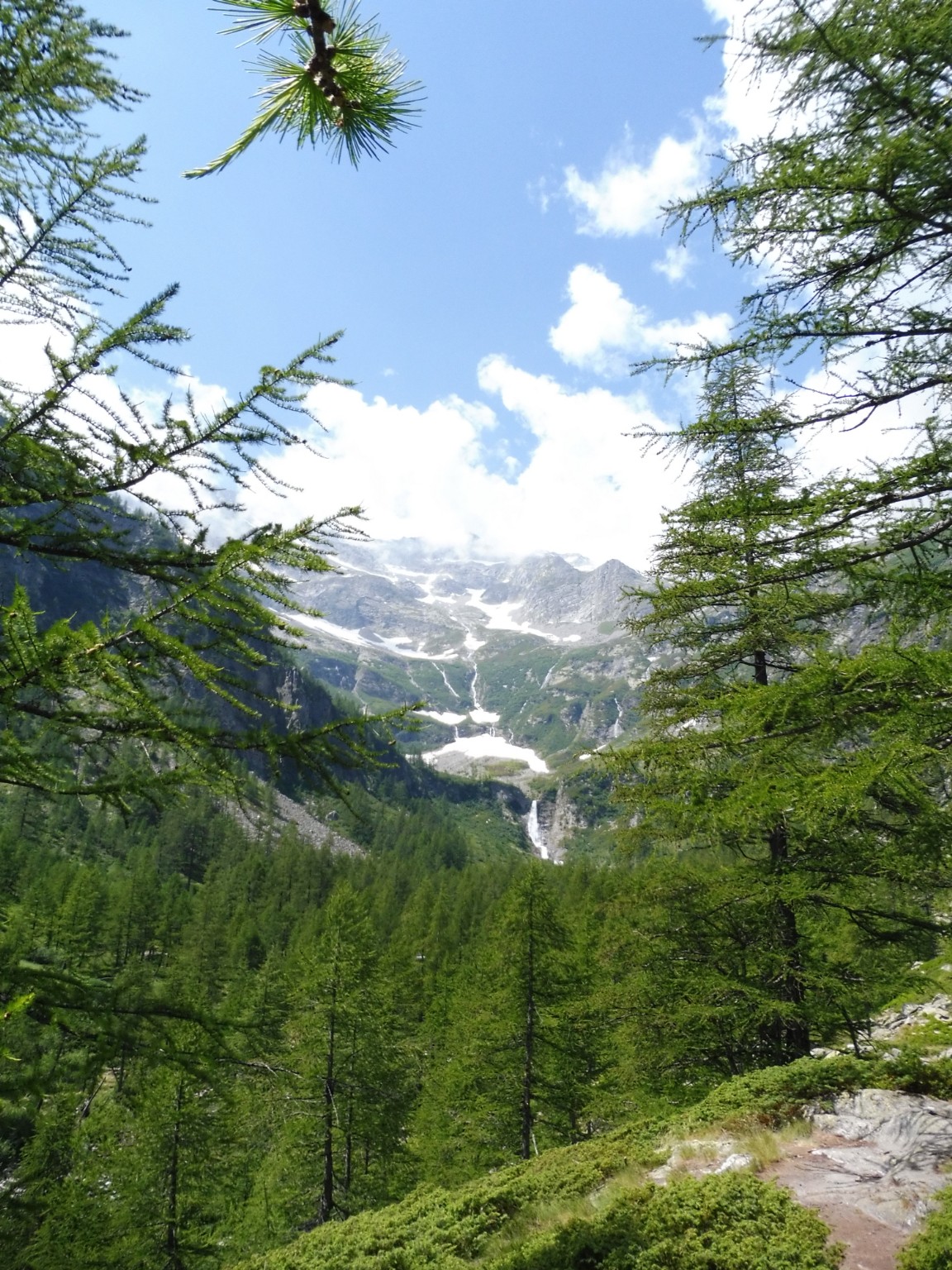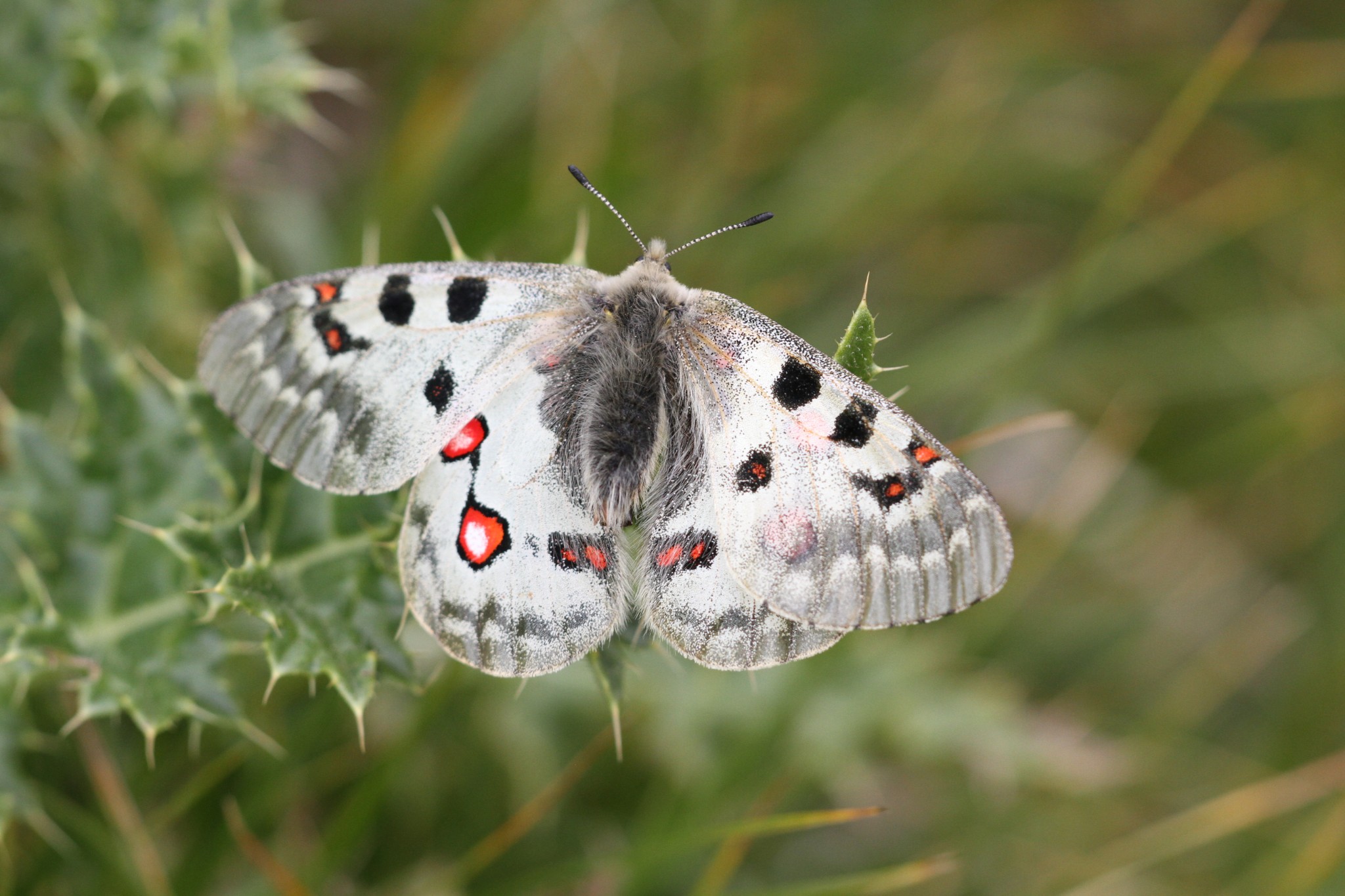
The compact, spectacular Verbano-Cusio-Ossola province (VCO) in the northeast of Piedmont, bordering Switzerland to the north and Lake Maggiore to the east, boasts peaks reaching 3,500 metres, gnarled glaciers, and enchanted lush valleys. While any trip in July in the Alps could make for a remarkable and long list of butterfly species, few places can rival this region in terms of diversity and the sheer rarity of some of the species to be found here.
Our 8 night trip is carefully planned in order to give us the opportunity to search for a huge number of alpine species, as well as some species that prefer lower altitude and with different habitat preferences in the surrounding regions. To maximise our butterfly experience, we will cross the border into Switzerland. With a little bit of good fortune depending on the season and weather, our trip should exceed 120 butterfly species, including some extremely sought after treasures.
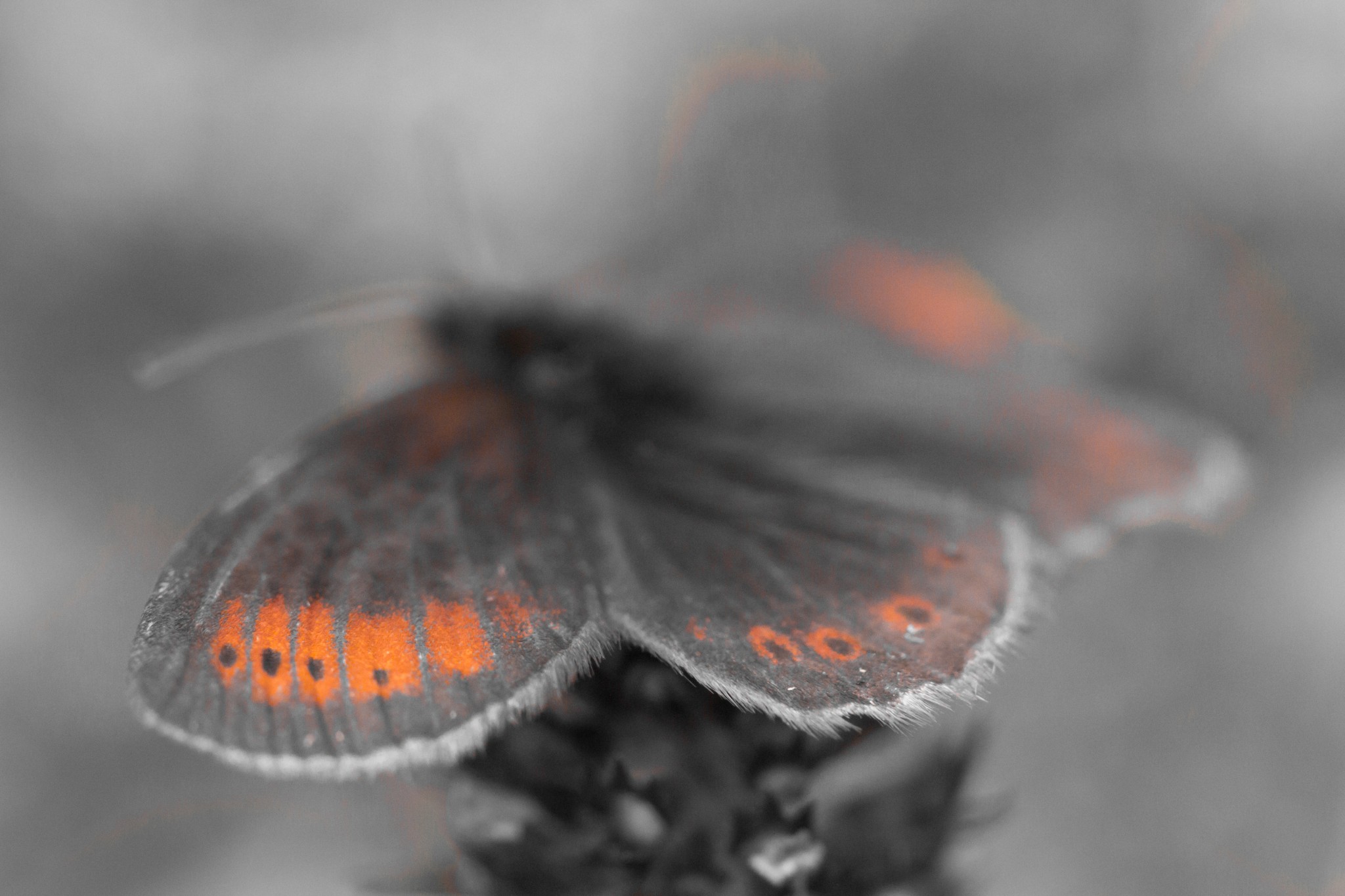
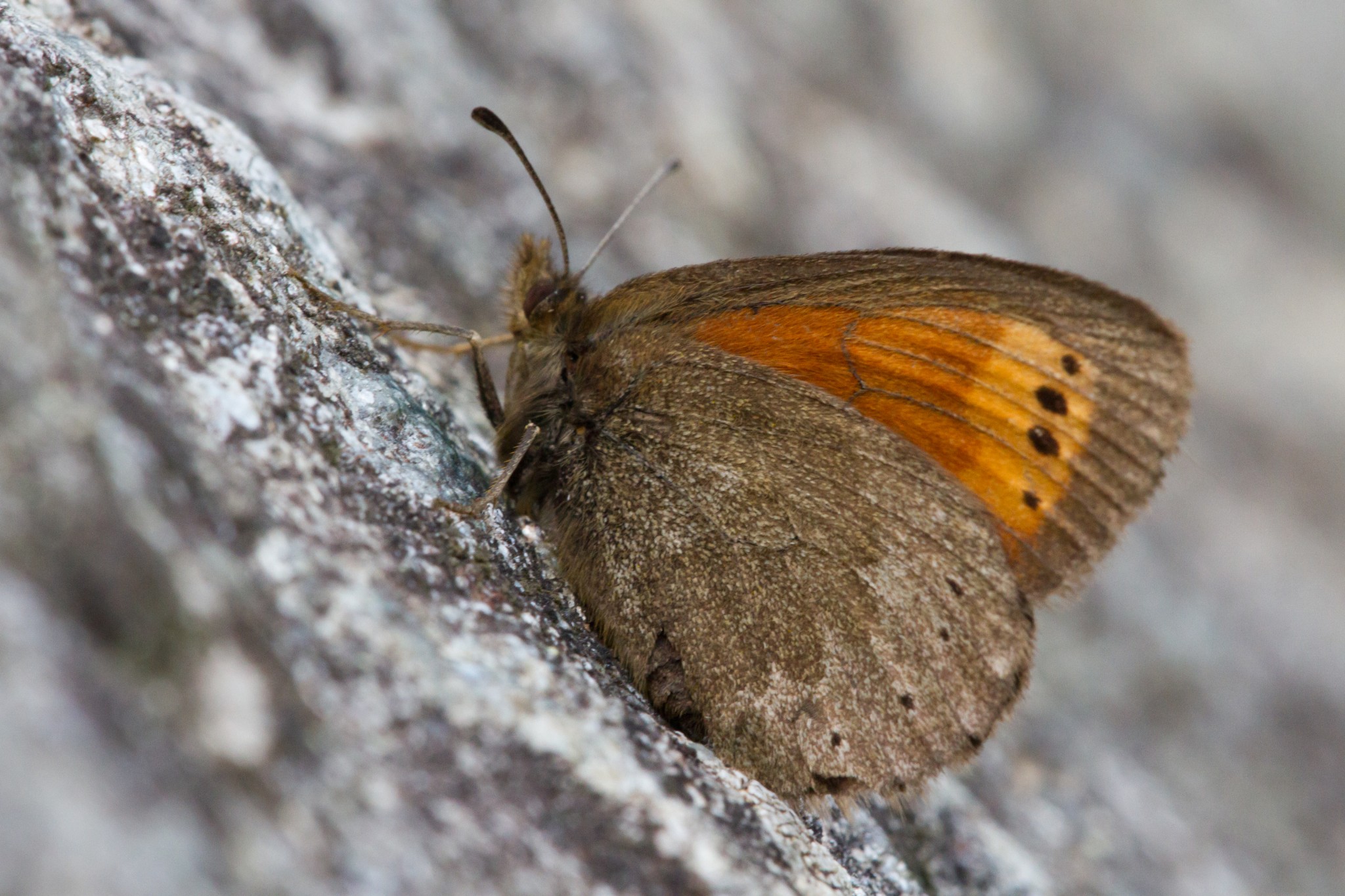
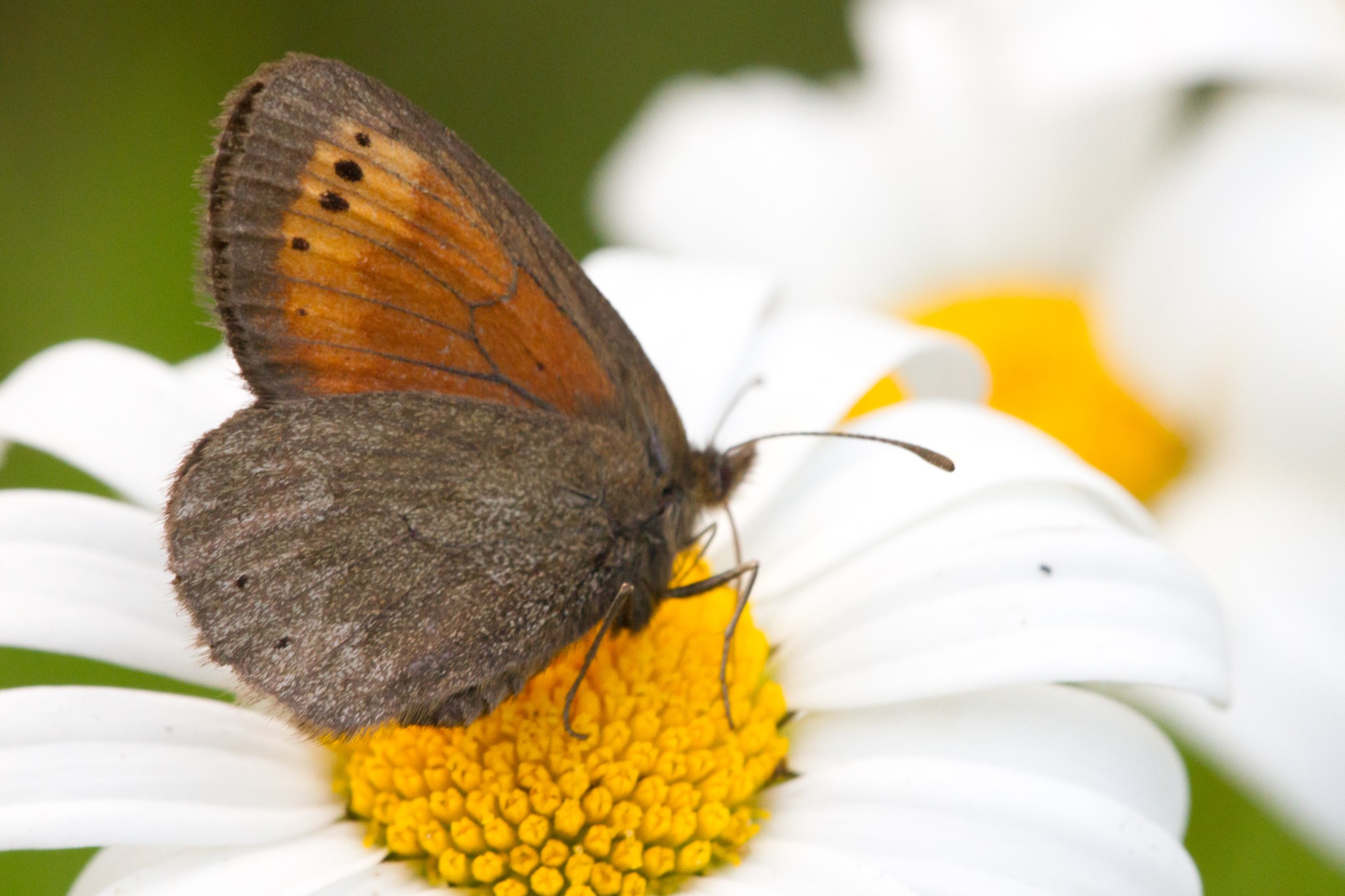
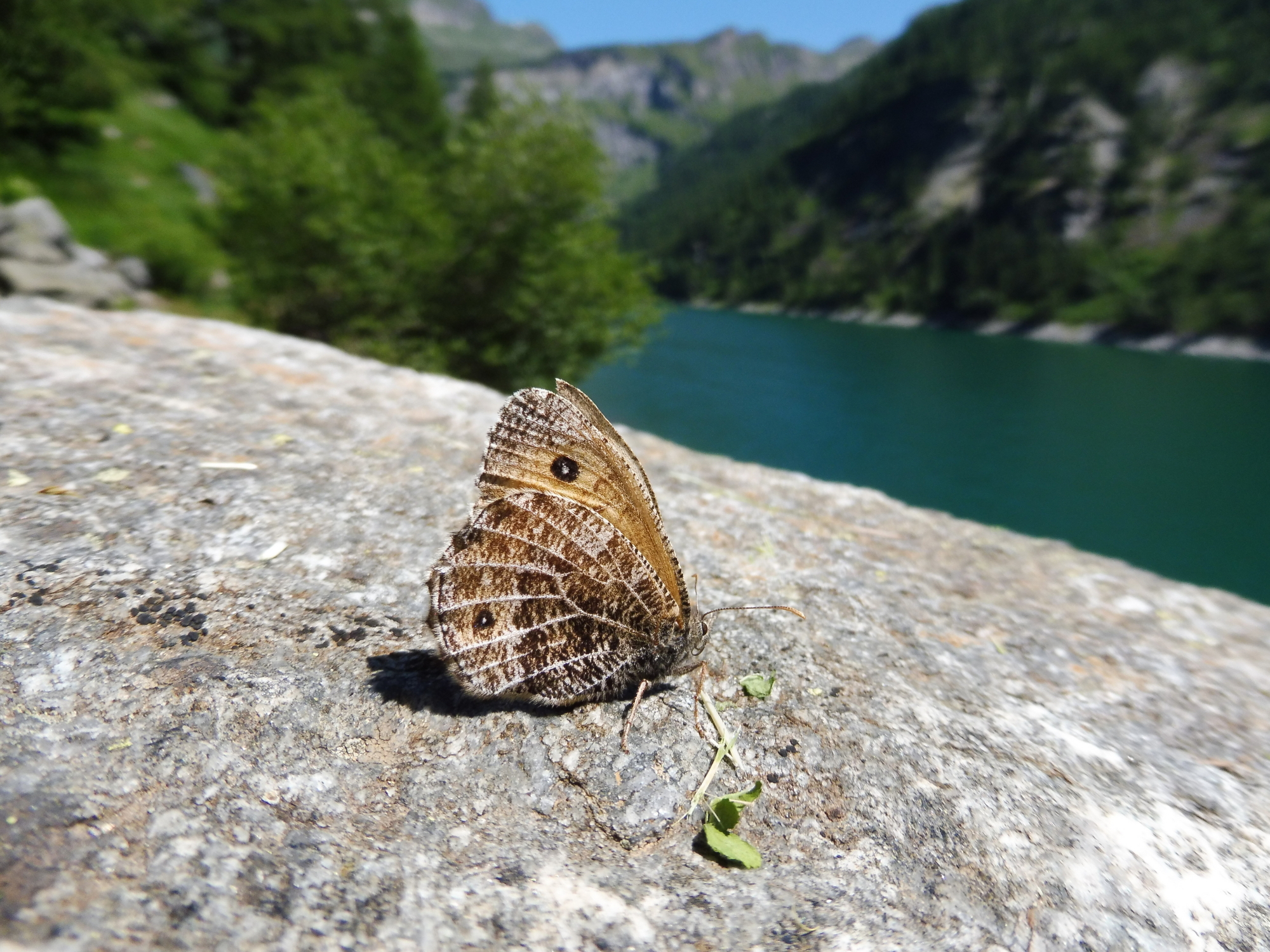
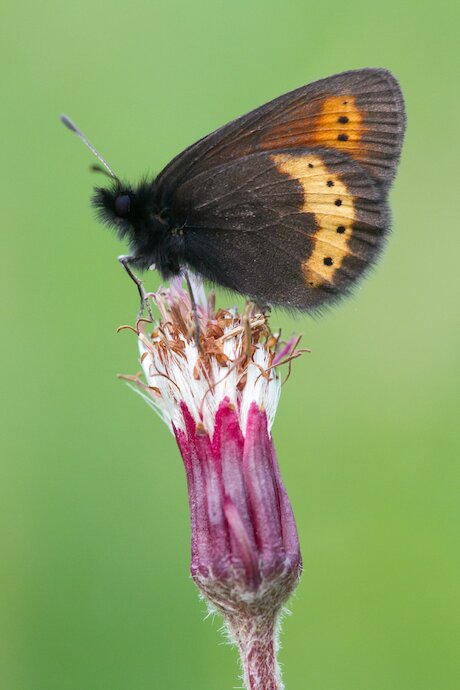
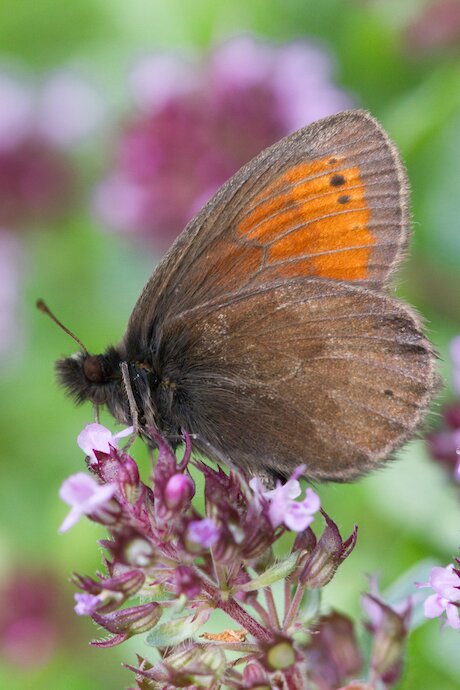
The main targets will, naturally, be a long list of alpine species, with a special focus on two extremely range-restricted Erebia ringlets: Yellow-banded Ringlet Erebia flavofasciata and Rätzer's Ringlet Erebia christi – the latter considered with some justification to be the ‘rarest butterfly in Europe’, and certainly one of the hardest for the butterfly enthusiast to see, given its preference for sheer rock faces and escarpments. Our guests can rest assured – we have an exclusive plan to help address that, and reassuringly it doesn’t involve abseiling, but does include being joined for two days by a local butterfly scientist who’s been studying E. christi here in the field for the past decade.
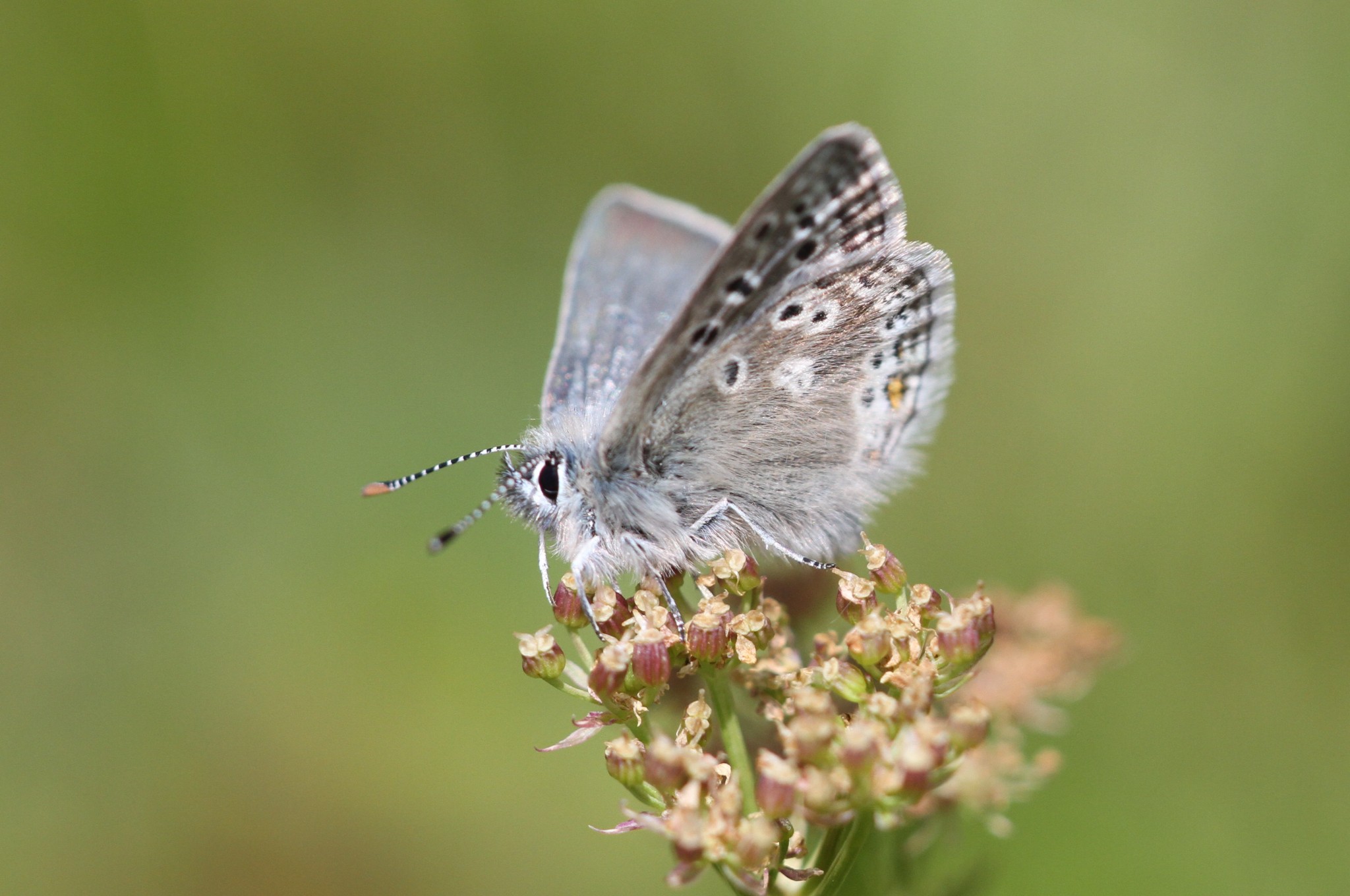
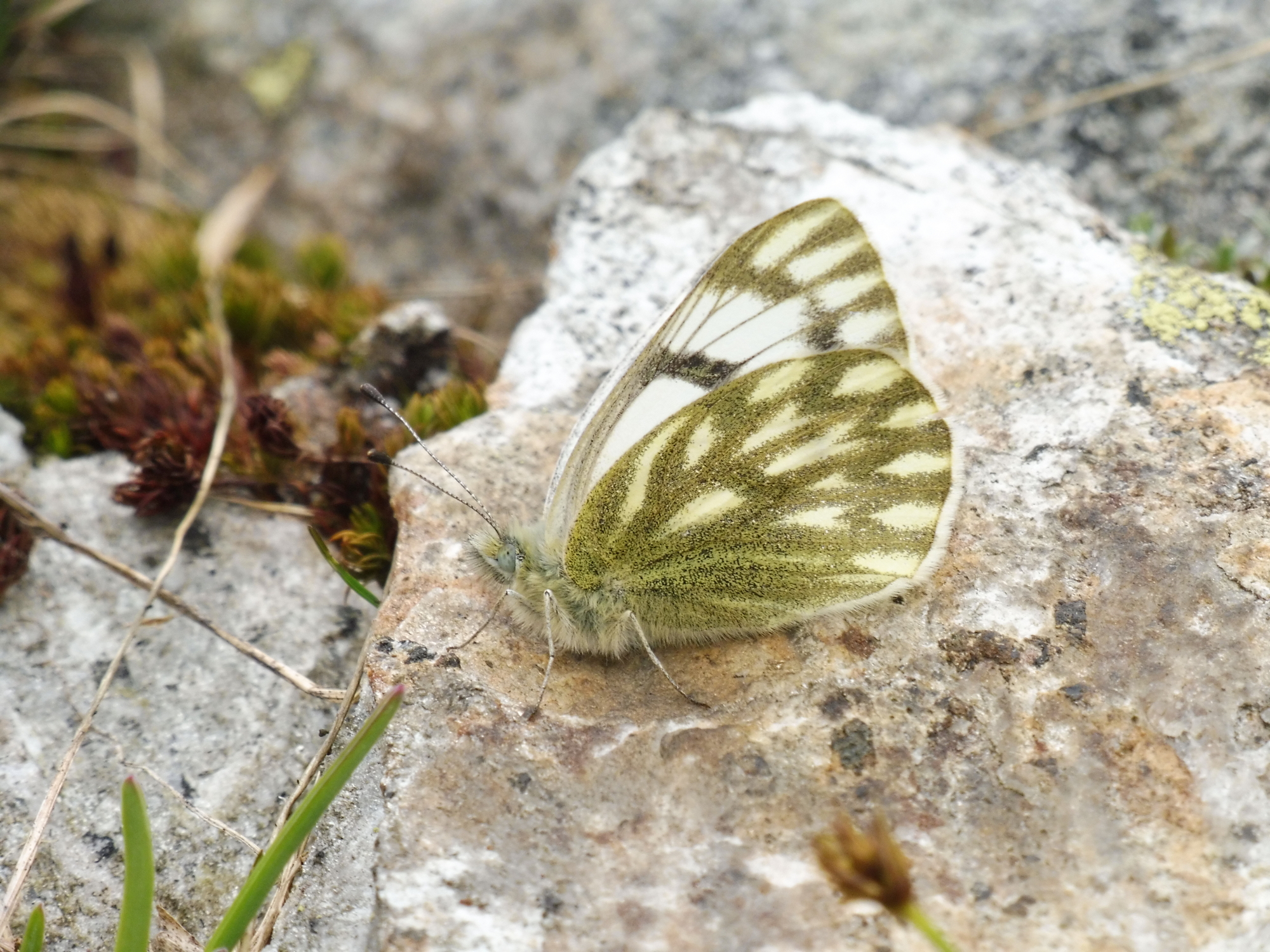
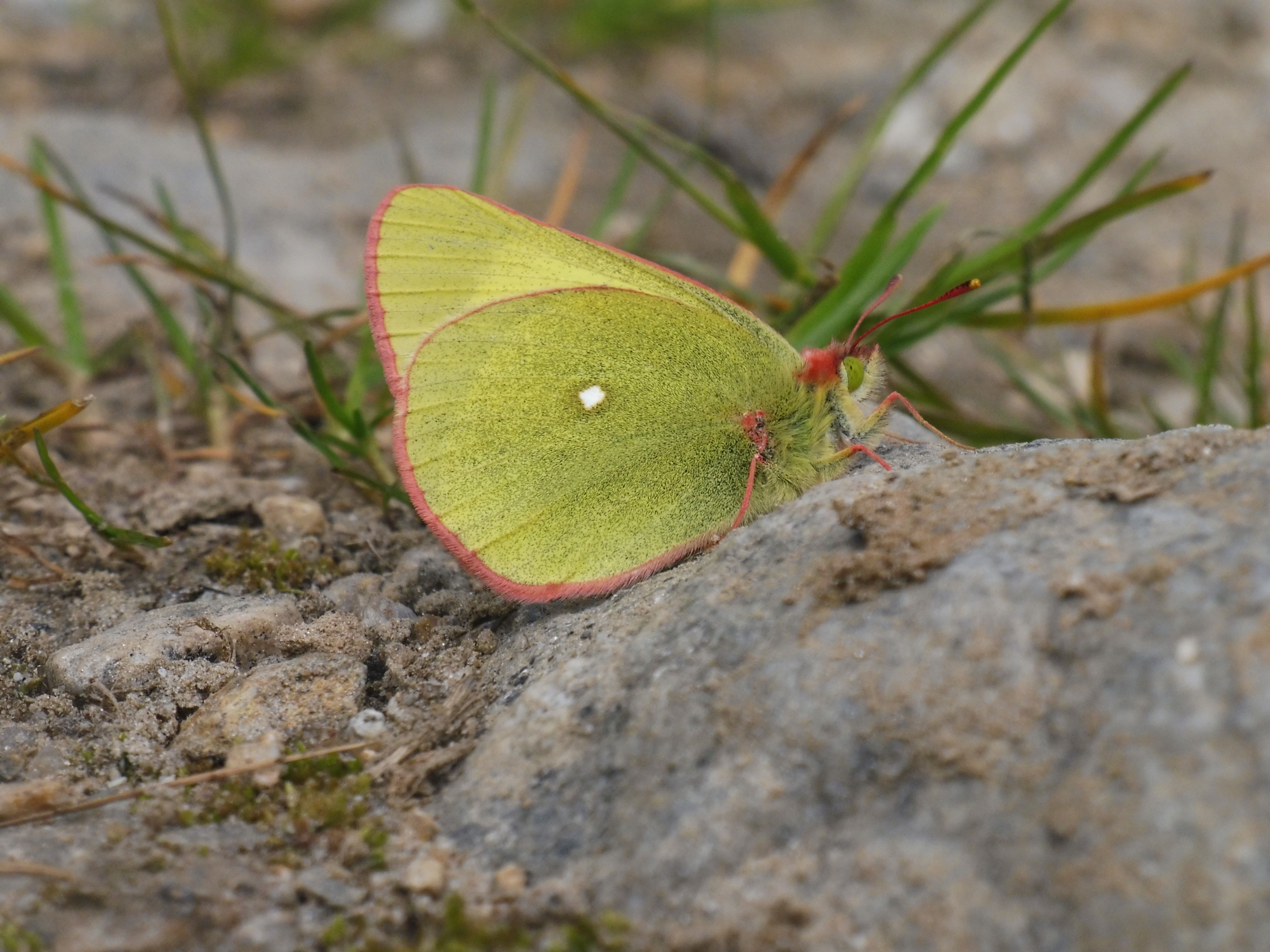
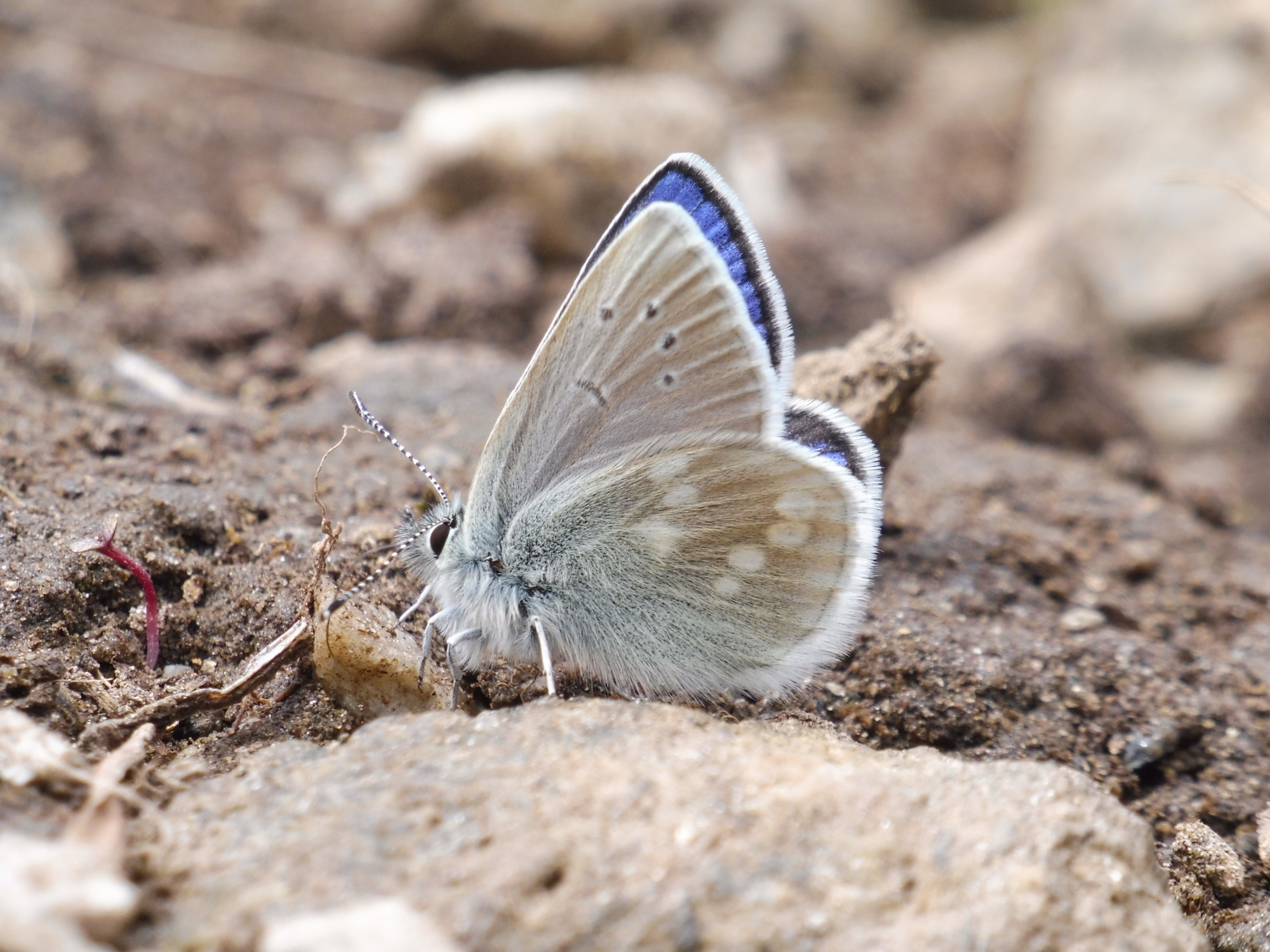
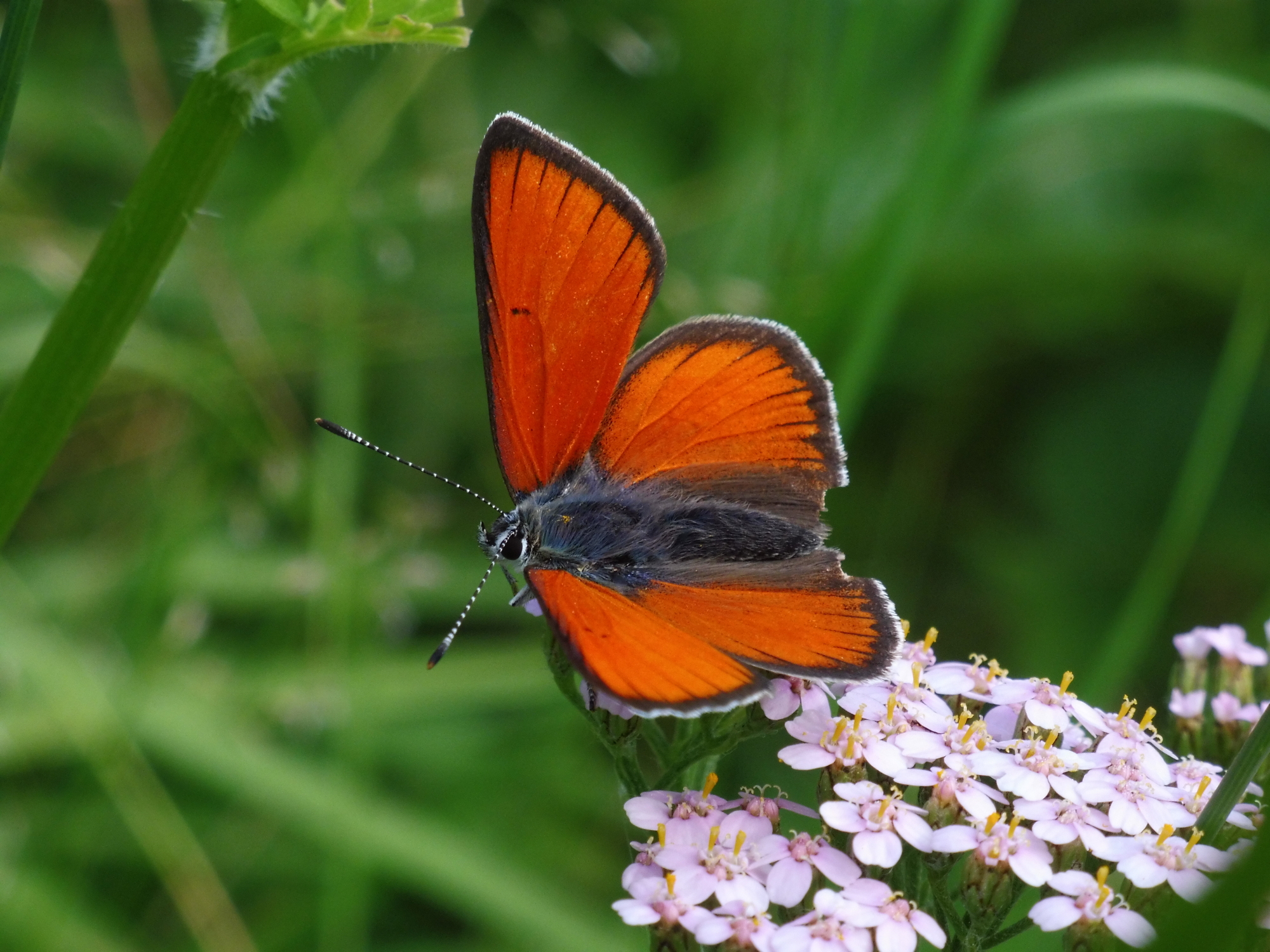
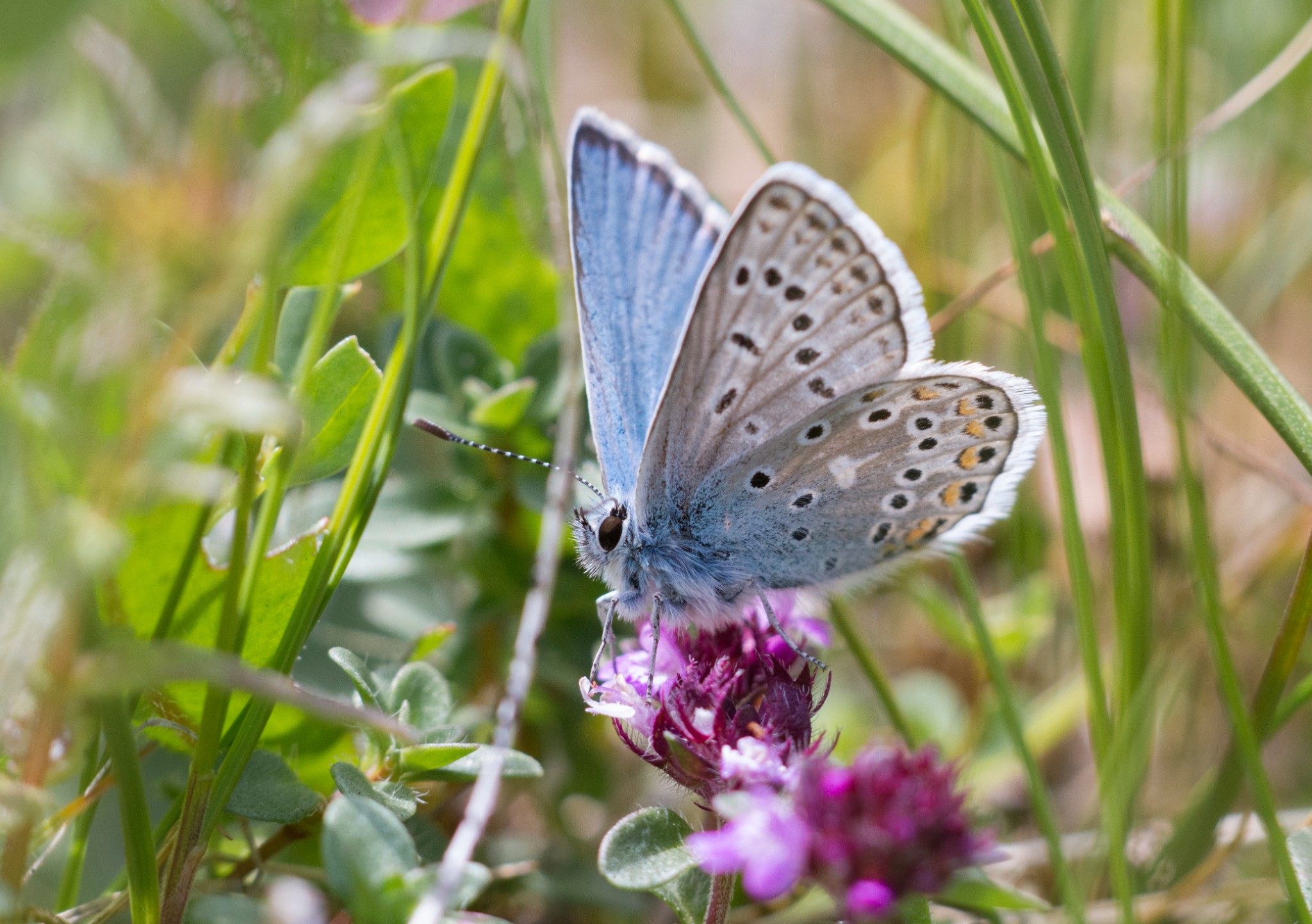
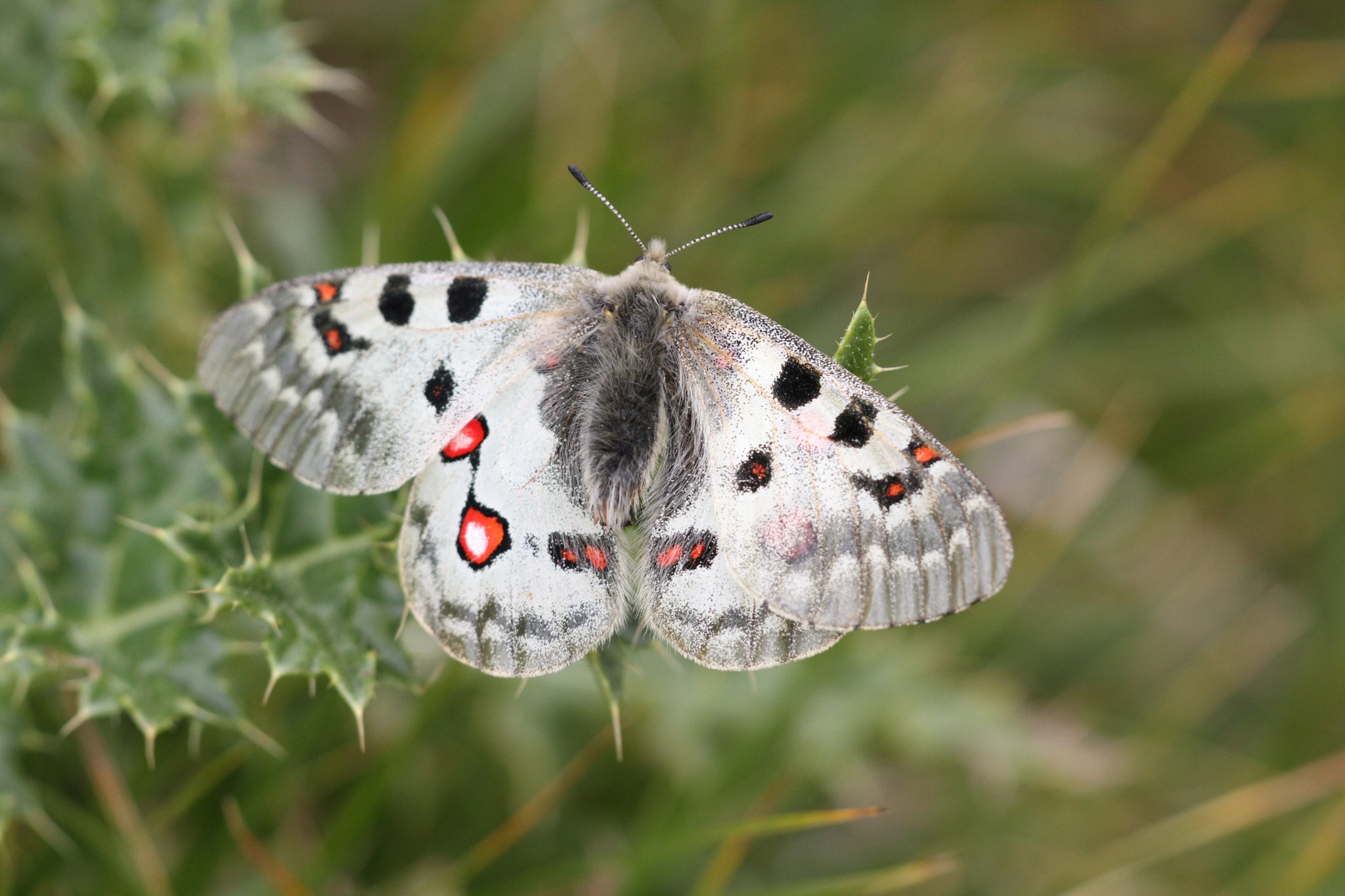
The list of other alpine specialities we’ll look for are a long and comprehensive roll call of European montane butterflies. These include Clouded Apollo Parnassius mnemosyne and Small Apollo P. phoebus; Peak White Pontia callidice and Mountain Green-veined White Pieris bryonae; and Moorland Clouded Yellow Colias palaeno and Mountain Clouded Yellow C. phicomone. We hope to encounter the alpine eurydame subspecies of Purple-edged Copper Lycaena hippothoe and Sooty Copper L. tityrus ssp subalpina, while the blues may include Large Blue Phengaris arion and Mountain Alcon Blue P. rebeli, Geranium Argus Eumedonia eumedon, Alpine Blue Agriades orbitulus and Cranberry Blue A. optilete, Damon Blue Polyommatus damon and Eros Blue P. eros, and Alpine Zephyr Blue Kretania trappi.
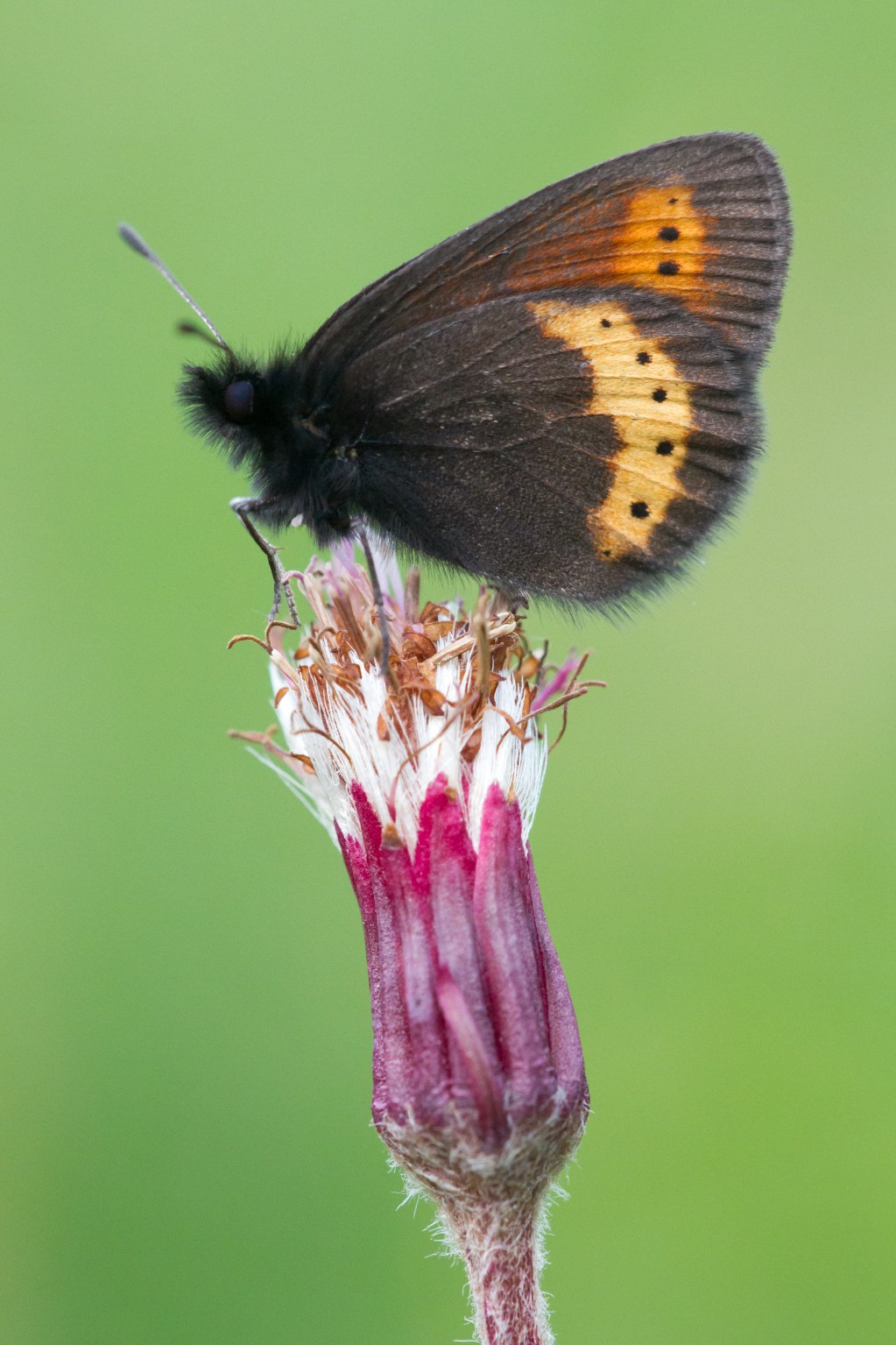
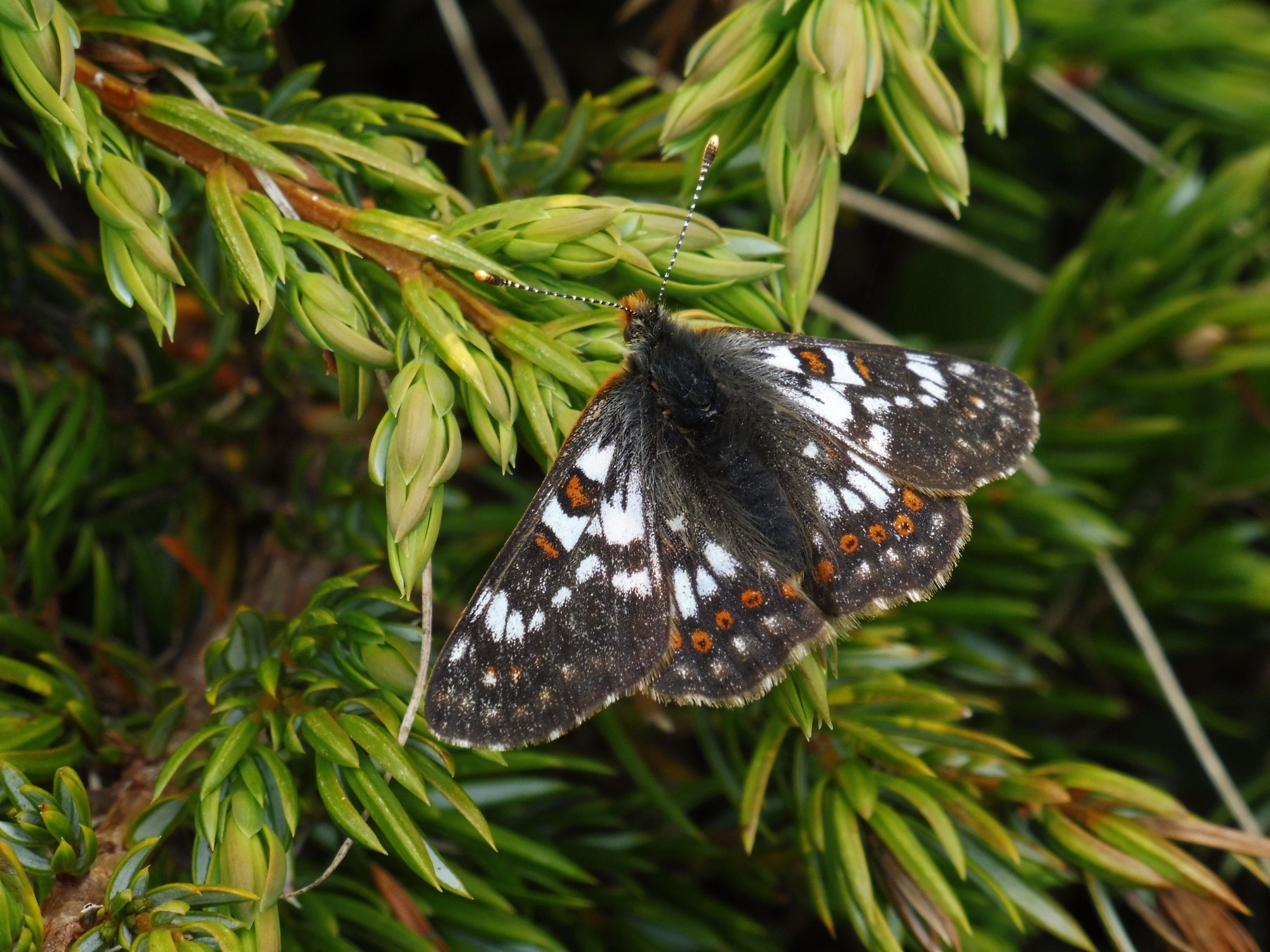
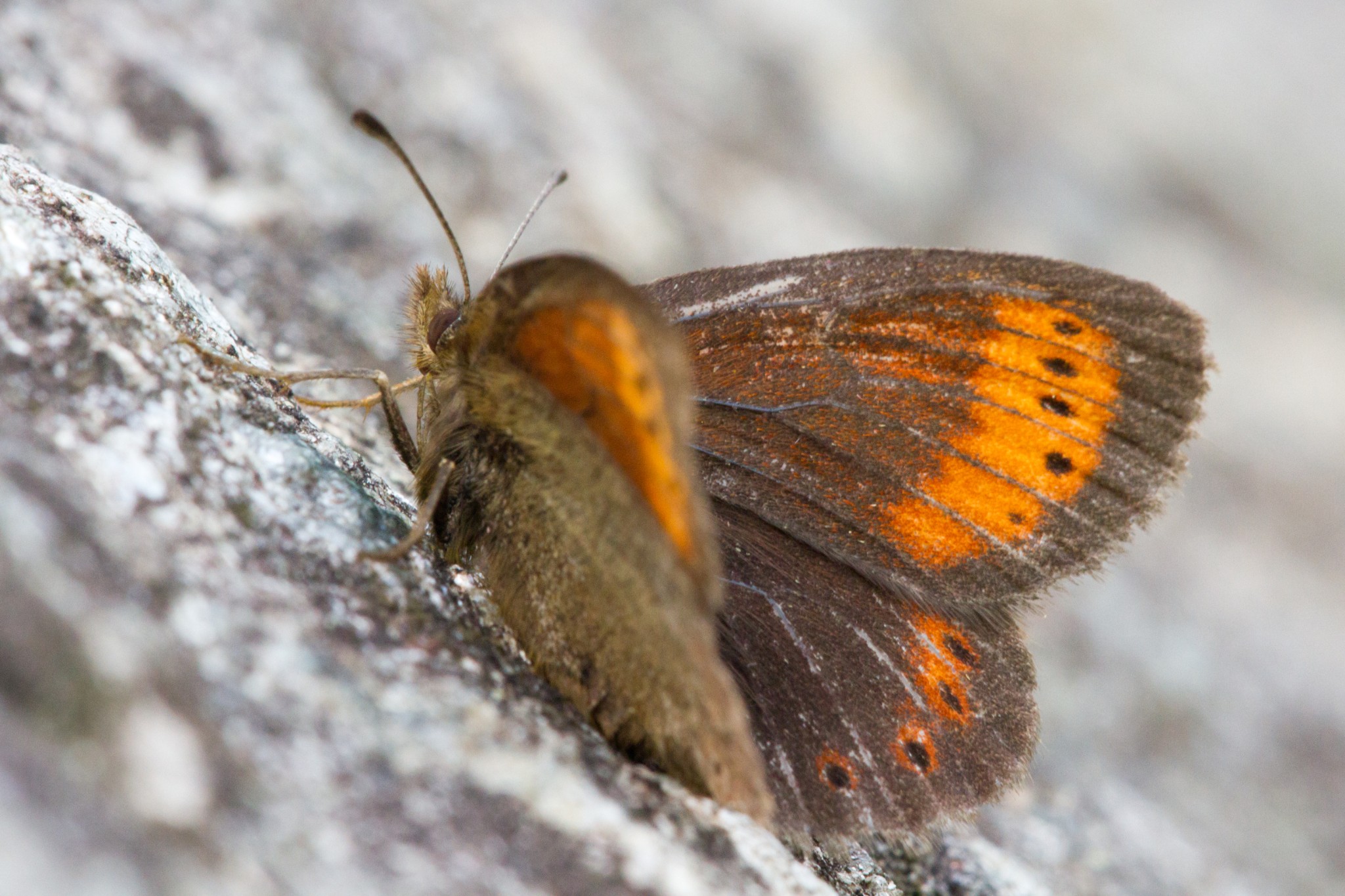
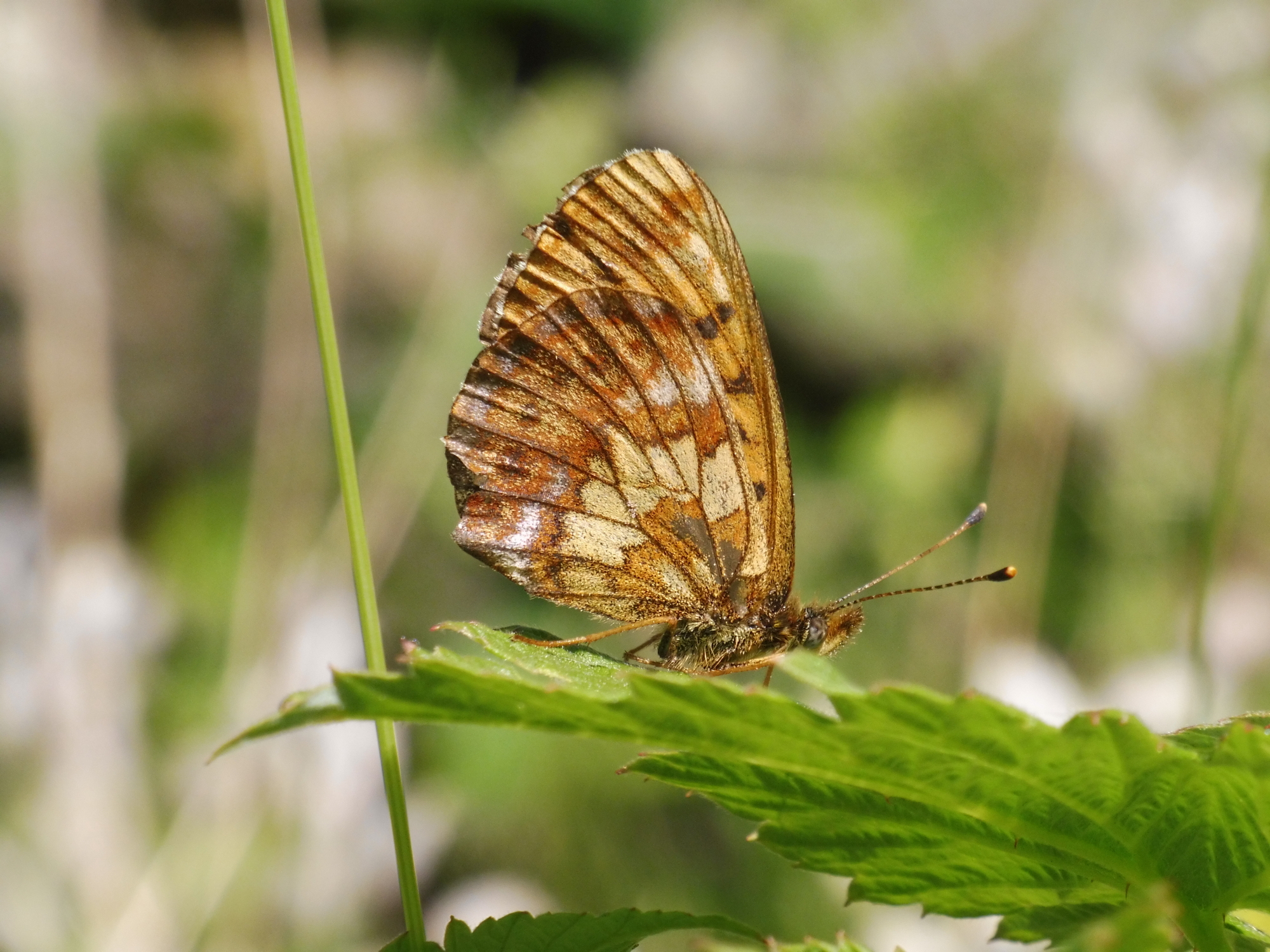
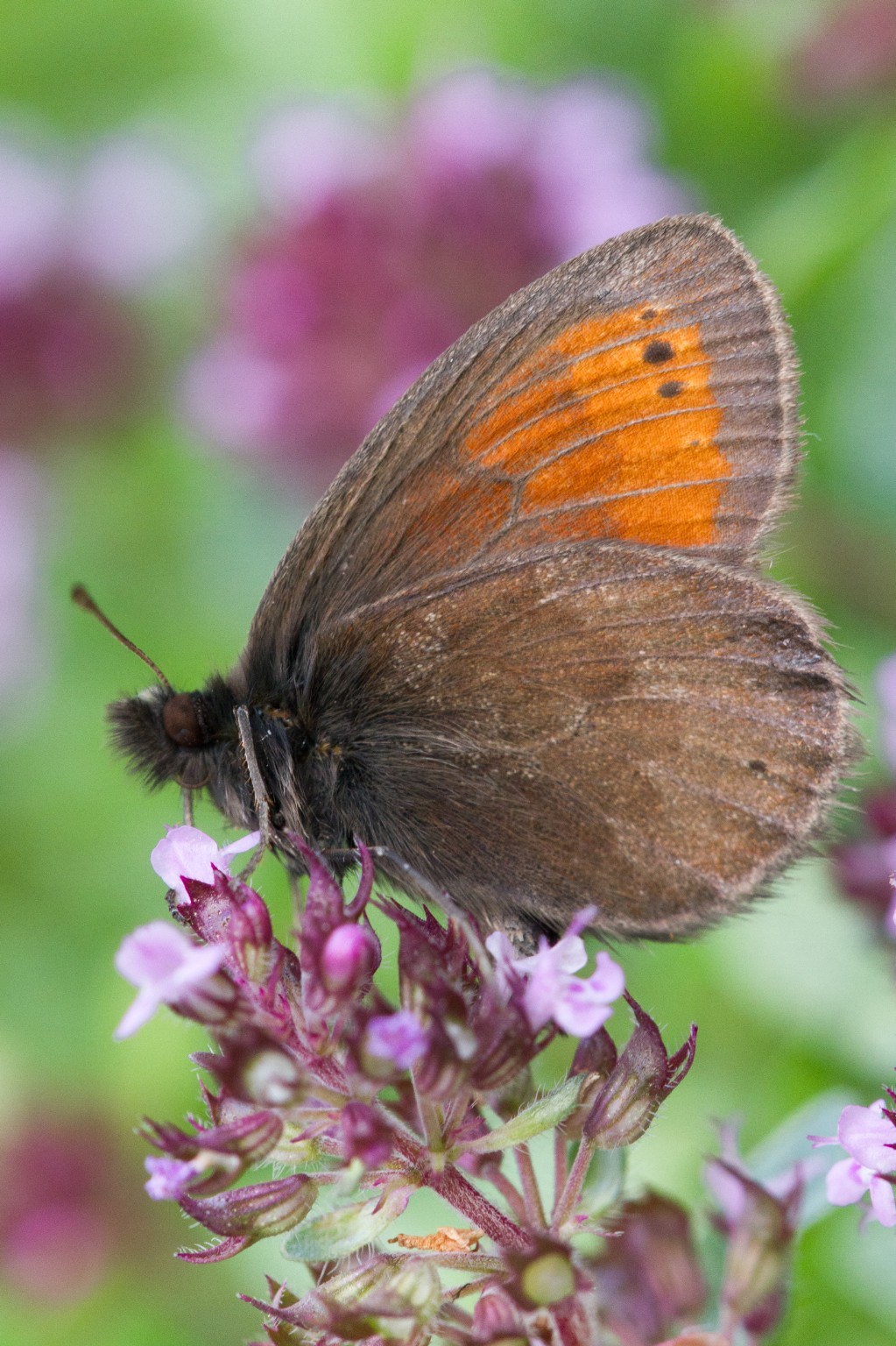
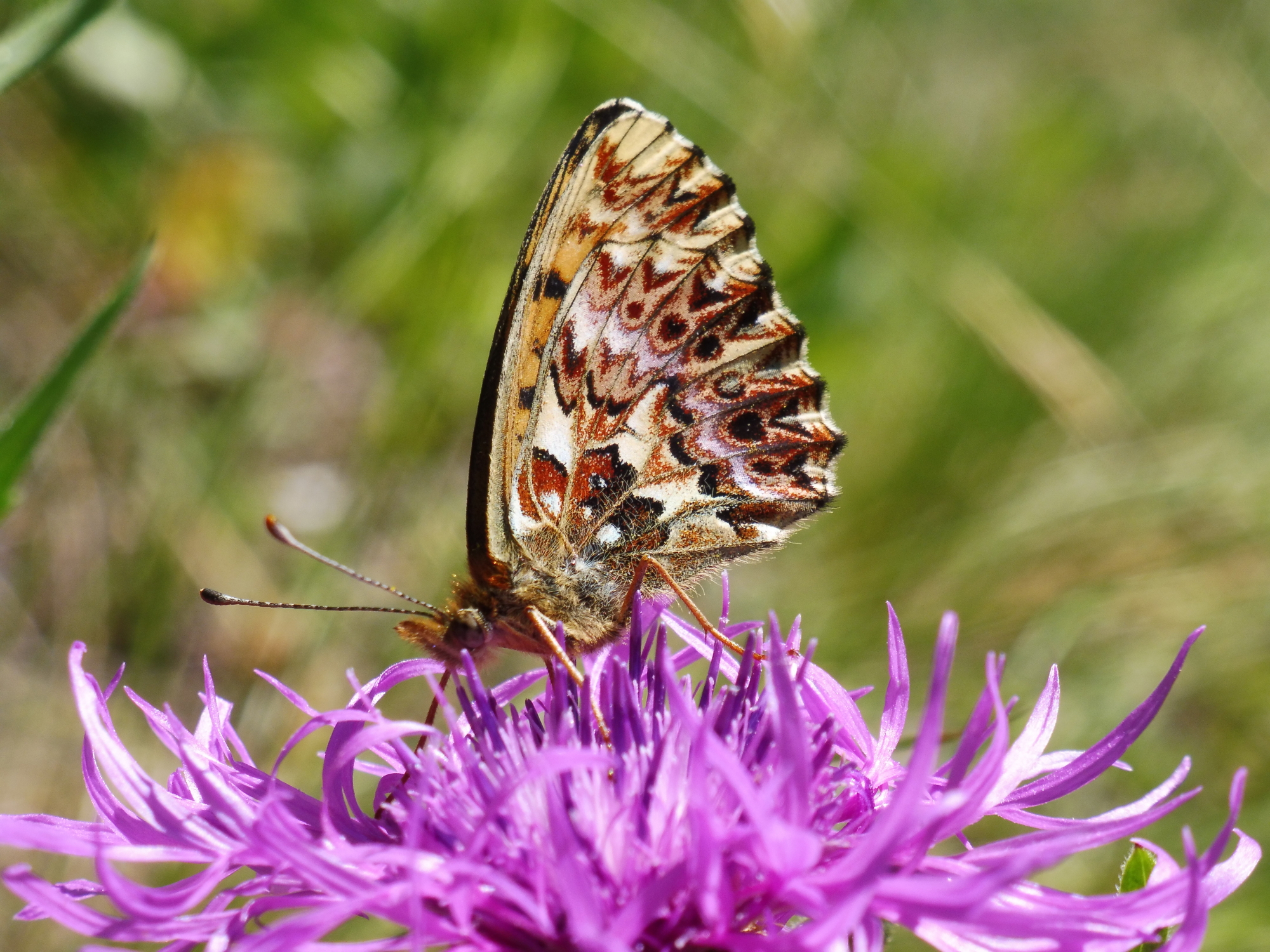
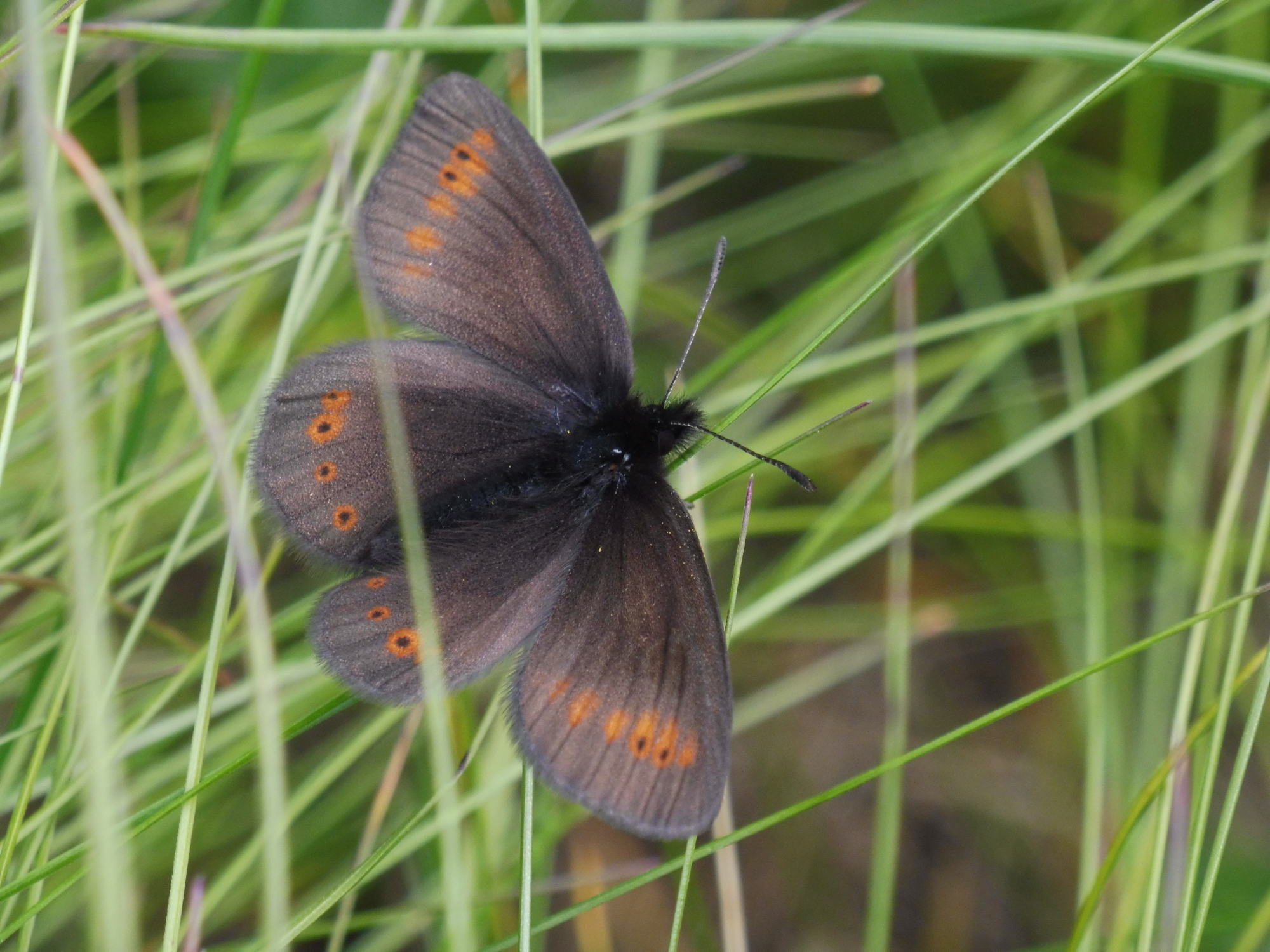
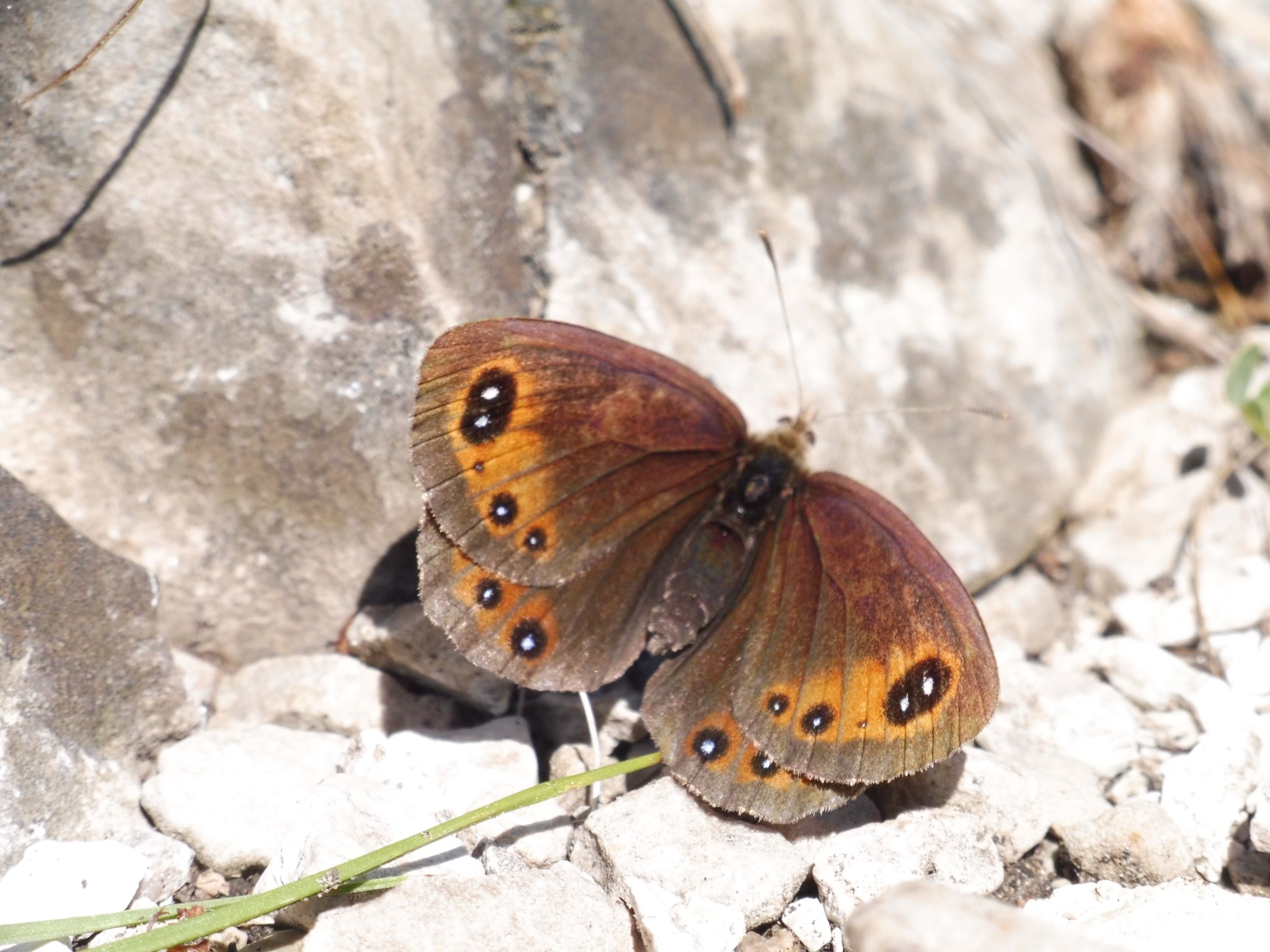
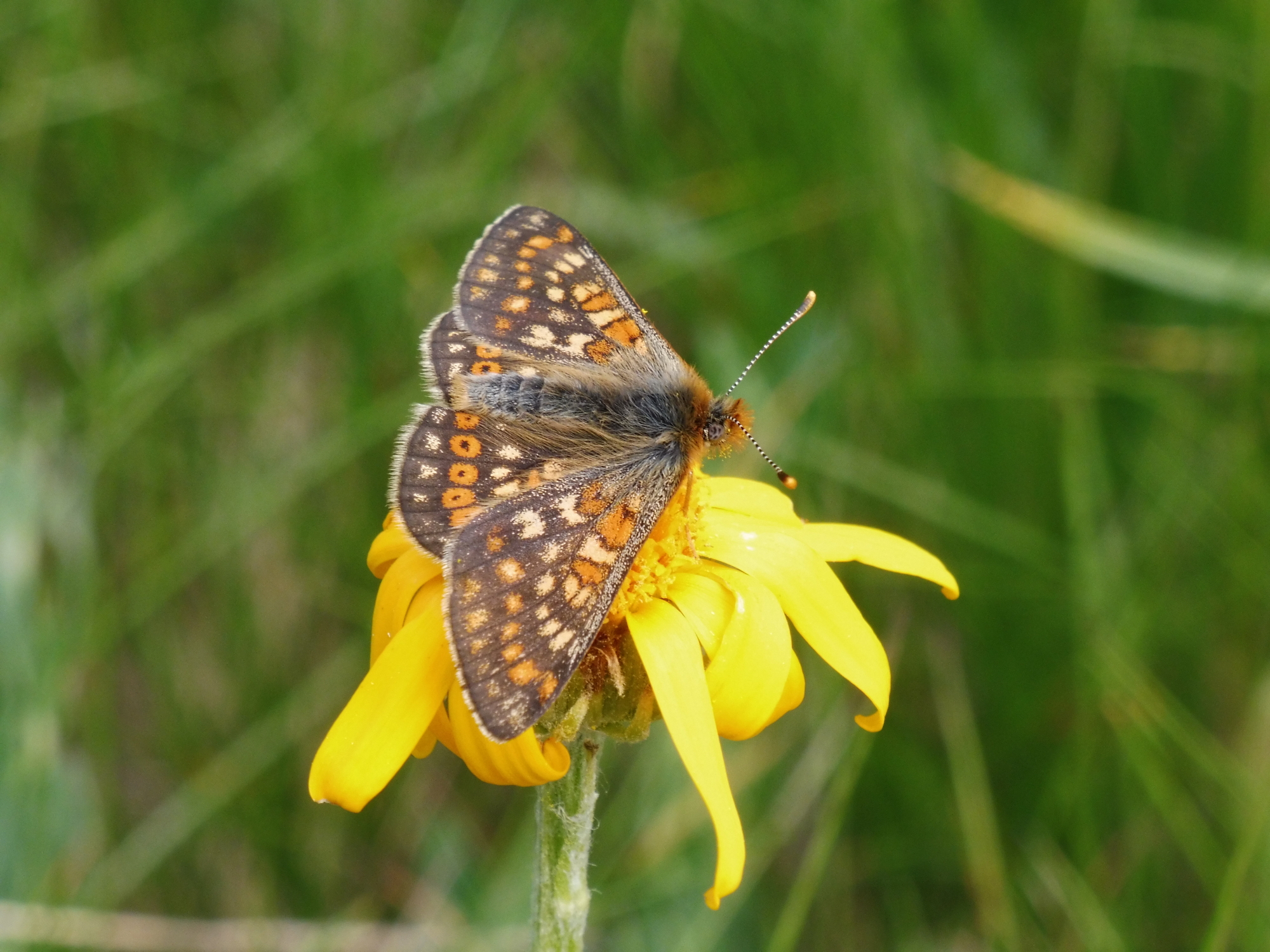
The potential fritillaries, ringlets, and skippers deserve special mention. We have a multitude of mouth-watering targets – for fritillaries, Thor’s Fritillary Boloria thore; Titania’s Fritillary B. titania; Grison’s Fritillary Melitaea varia; Cynthia’s Fritillary Euphydryas cynthia; Alpine Marsh Fritillary E. glaciegenita; and Asian Fritillary E. intermedia. The ringlets include Almond-eyed Erebia alberganus; Small Mountain E. epiphron; Eriphyle E. eriphyle; Yellow-banded E. flavofasciata; Silky E. gorge; Lesser Mountain E. melampus, Mnestra’s E. mnestra; Dewy E. pandrose; Blind E. pharte; Swiss Brassy E. tyndarus; and Arran Brown E. ligea. Alpine skippers on the menu include Large Grizzled Pyrgus alveus; Alpine Grizzled P. andromedae; Dusky Grizzled P. cacaliae; Carline P. carlinae; Olive P. serratulae; and Warren’s P. warrenensis. And we could hardly forgo the chance for Alpine Grayling Oeneis glacialis and Darwin’s Heath Coenoympha darwiniana while we’re in the mountains.
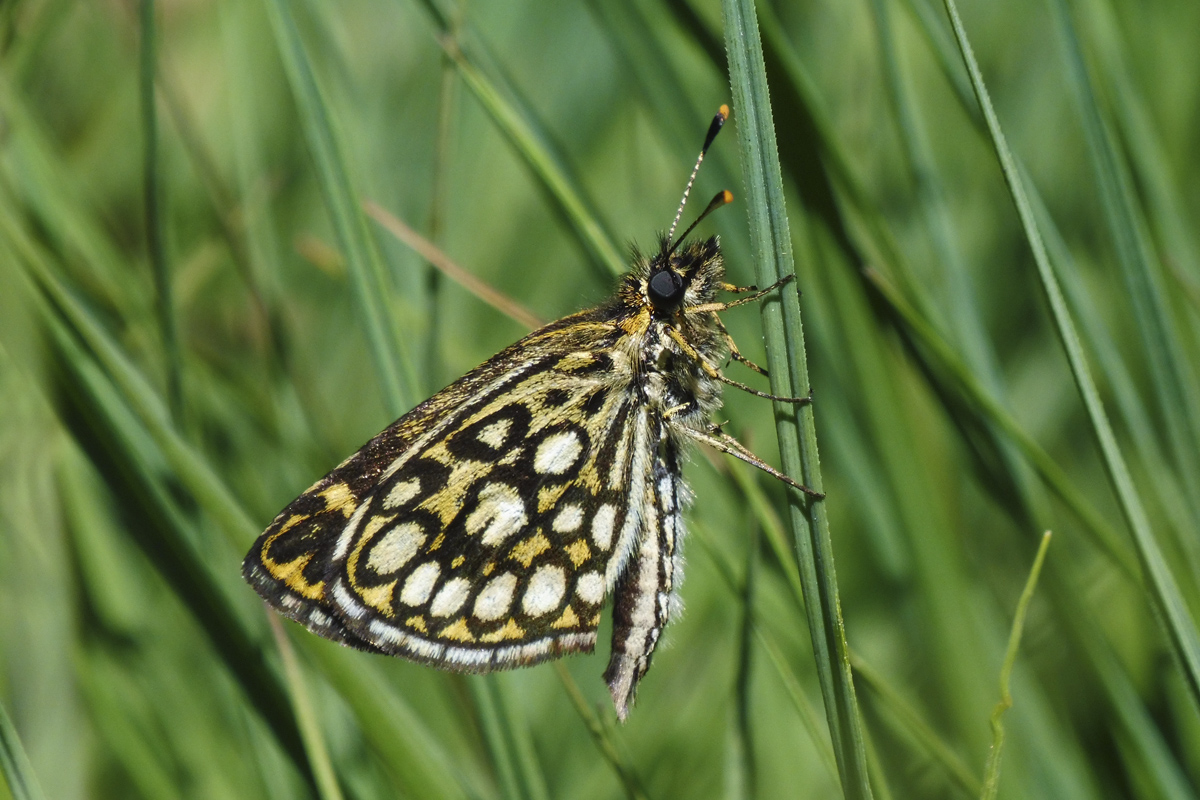
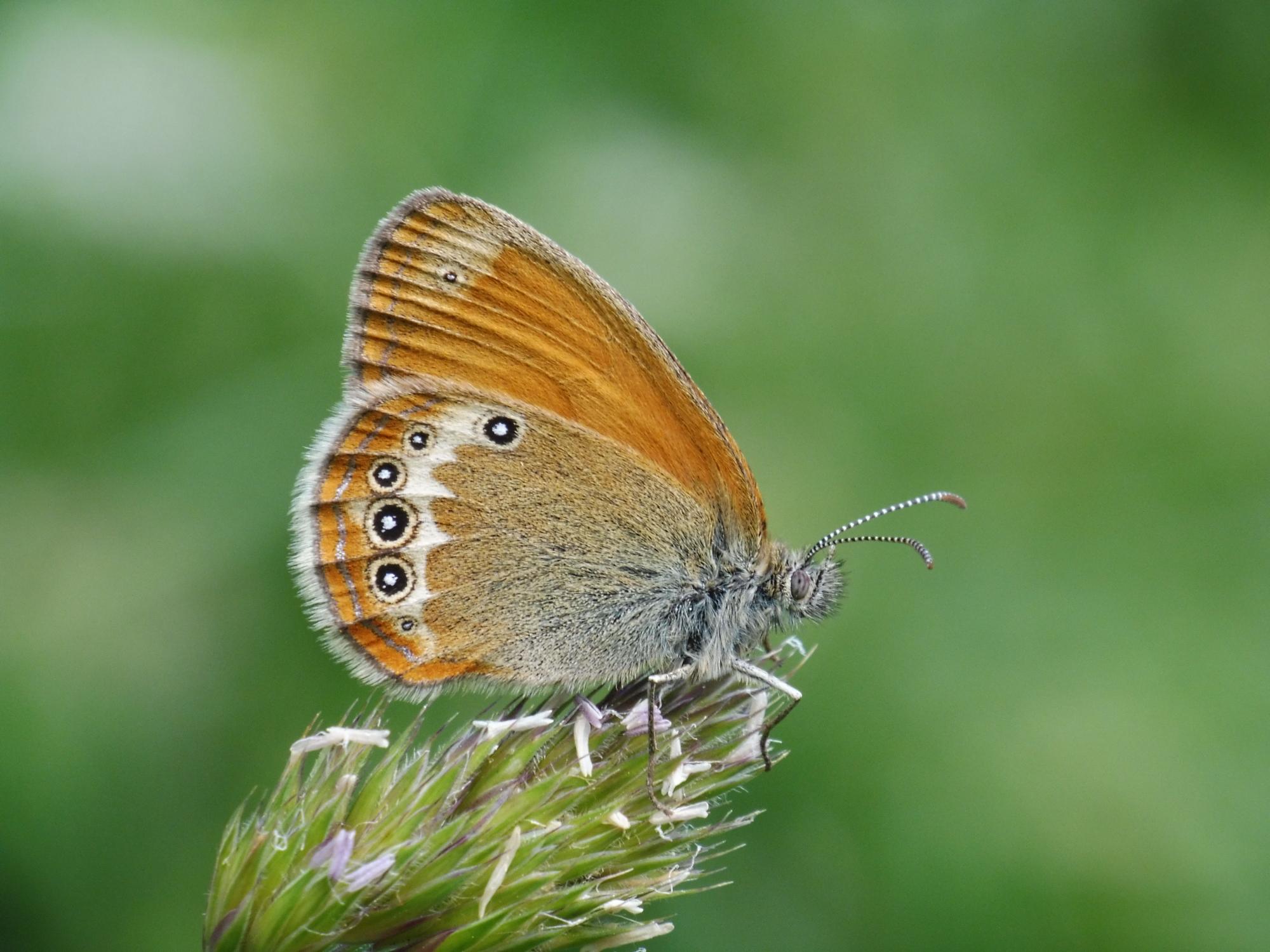
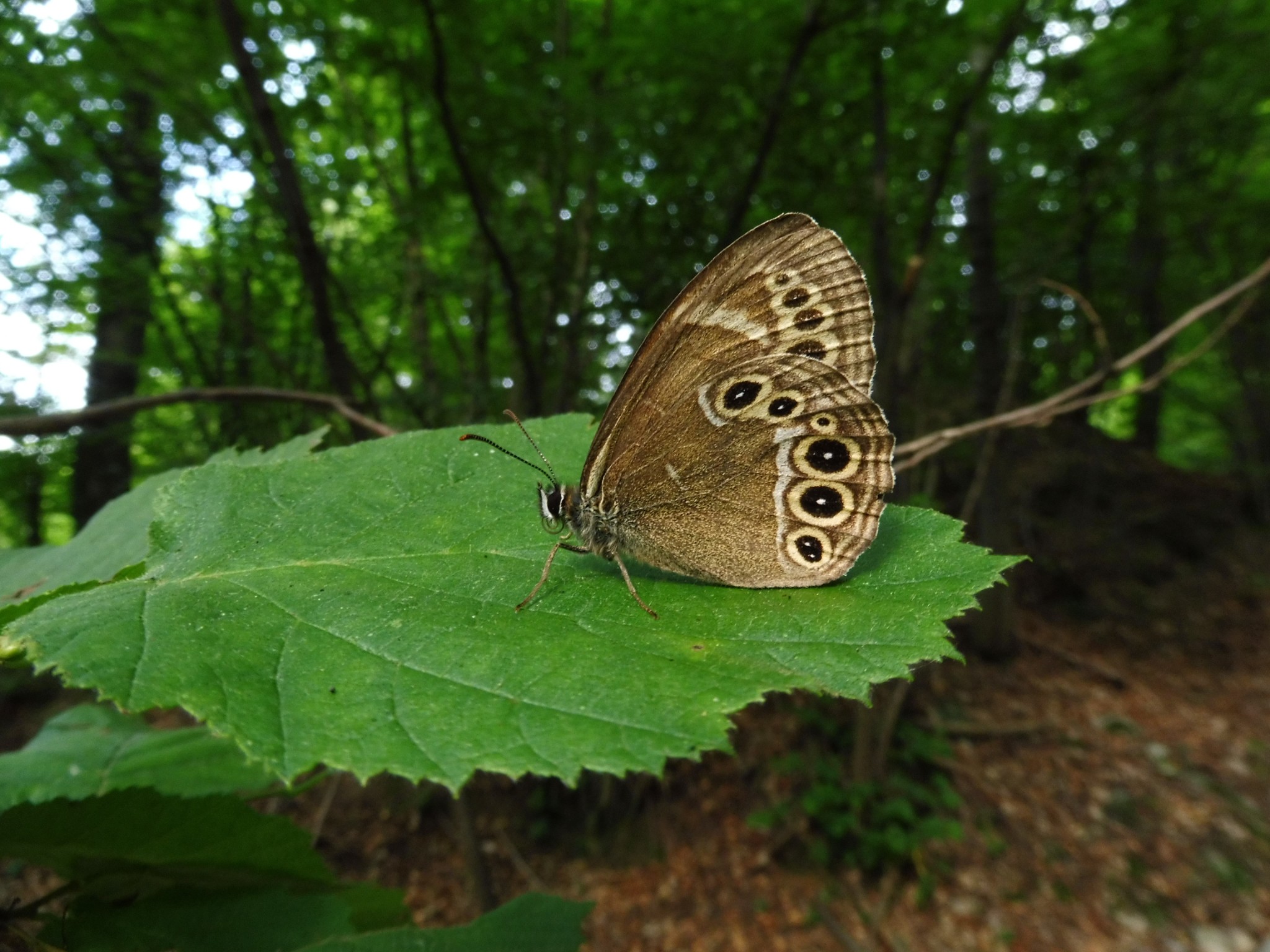
In the surrounding areas we will also search for some lower-altitude specialities such as False Ringlet Coenonympha oedippus, Stygian Ringlet Erebia styx, Woodland Brown Lopinga achine, and Large Chequered Skipper Heteropterus morpheus. Never an afterthought, we should also encounter a few alpine orchids and other special alpine wildflowers during our walks.
To reach the best habitats we will be walking a few kilometres each day, often not on flat paths, but always at an easy and enjoyable pace in order to observe the butterflies as we are going, and to appreciate the beauty of the scenery in this exquisite corner of the Alps.