Day 1 – Arrival in Valencia and the search for the Ringed Cascader
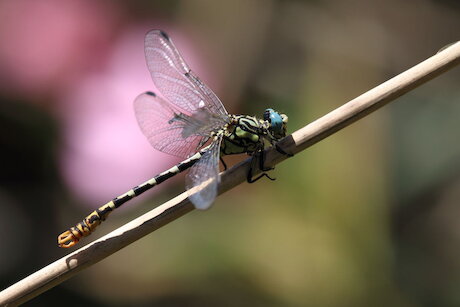
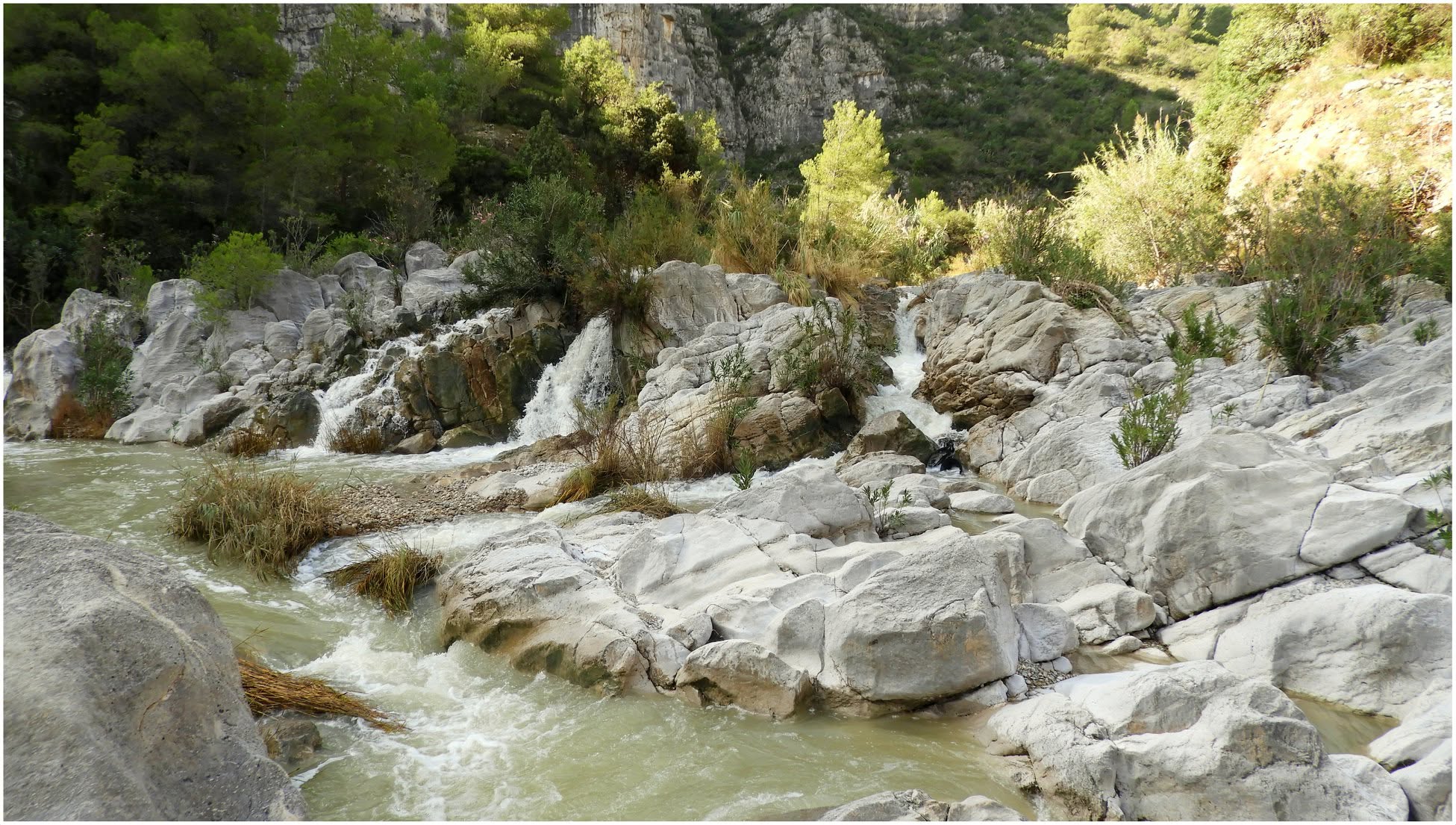
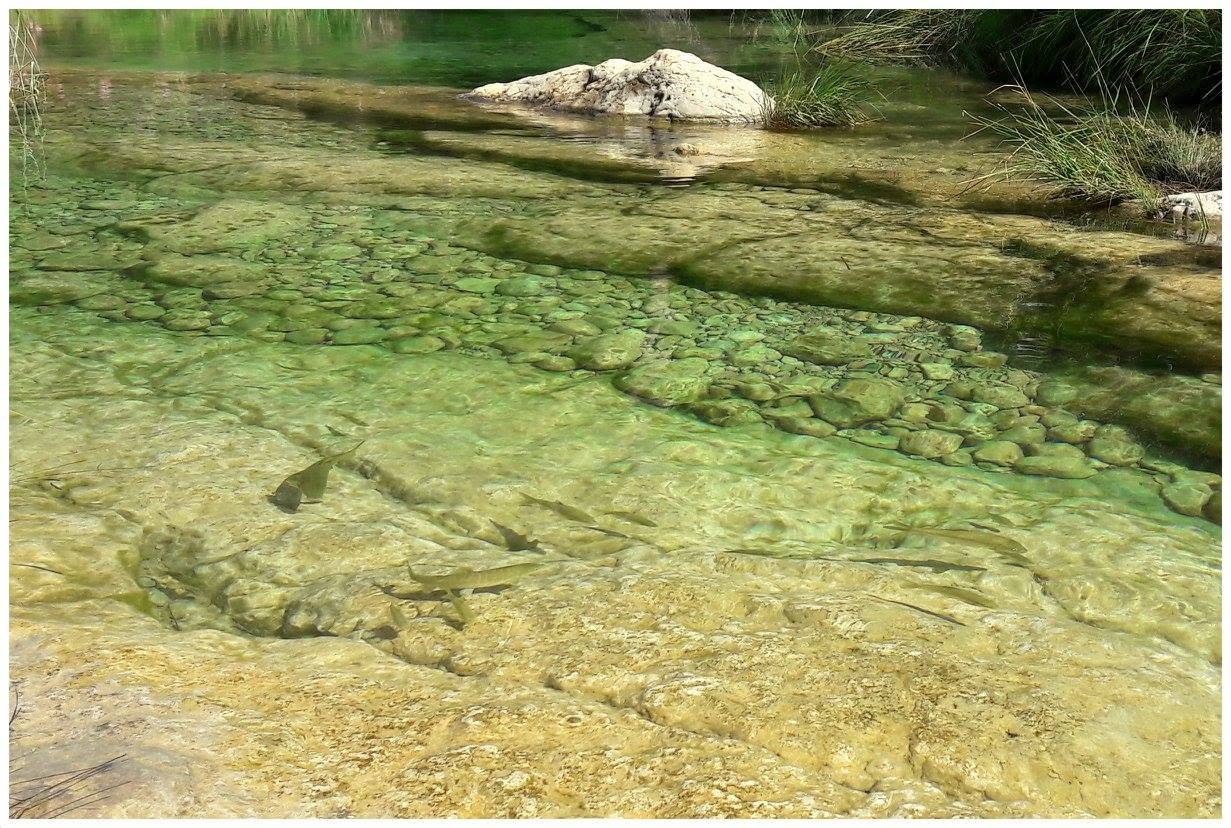
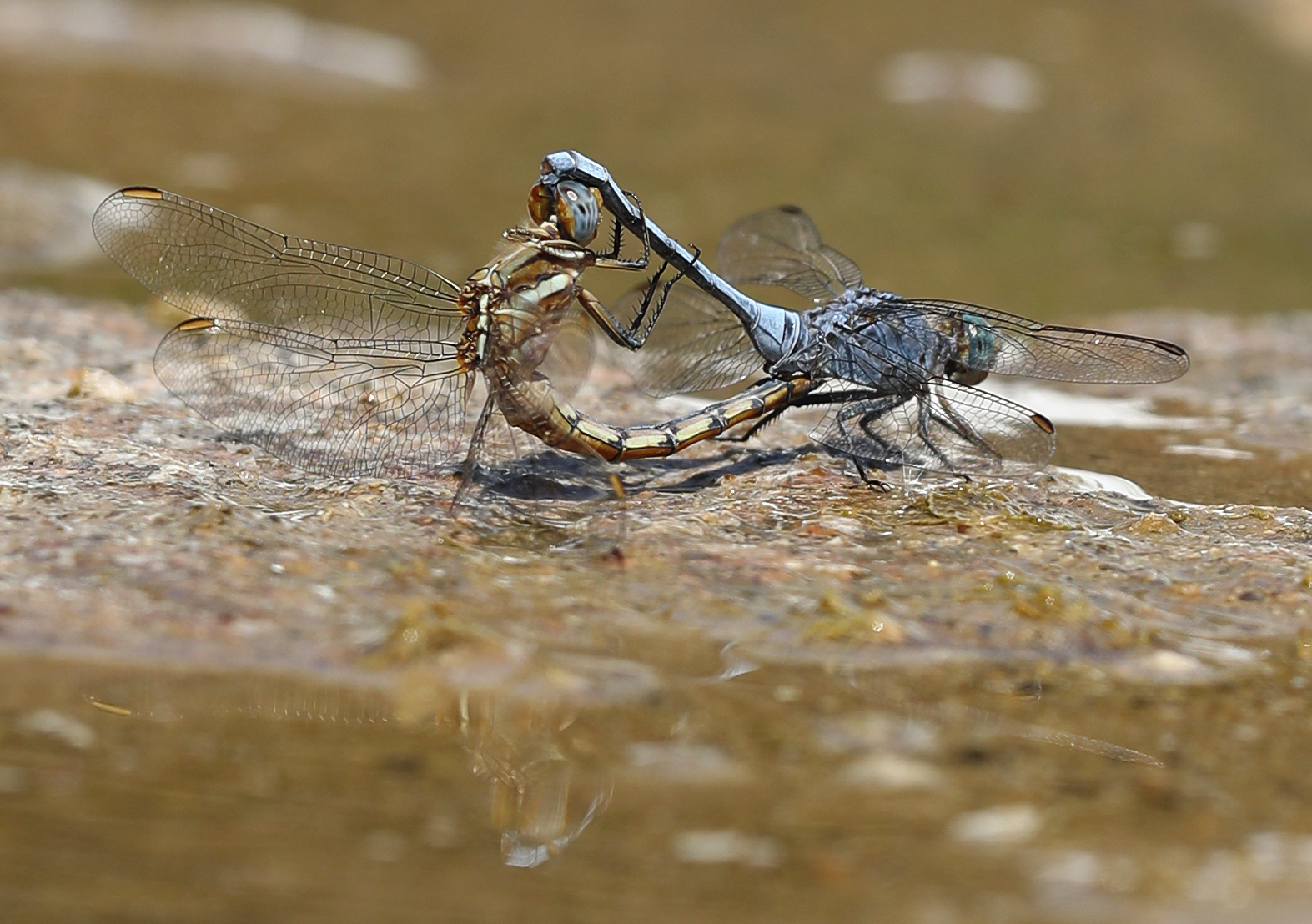
Following our arrival at Valencia Airport, we will head west for approximately an hour to our first dragonfly encounter. We will look for a highly desirable species in the Valencian dragonfly fauna, the spectacular Ringed Cascader Zygonyx torridus, a powerful, fast-flying dragonfly of African origin which patrols waterfalls and fast-flowing stretches of rivers. One of Europe's largest libellulids, this elusive and mobile species has a highly fragmented distribution in the Iberian Peninsula, with historical records from the Valencian Community.
We will continue south to Villalonga and settle into our comfortable accommodation at the beautiful Casa Babel boutique hotel, our home for the duration of the tour.Day 2 – The River Serpis: a Mediterranean river valley
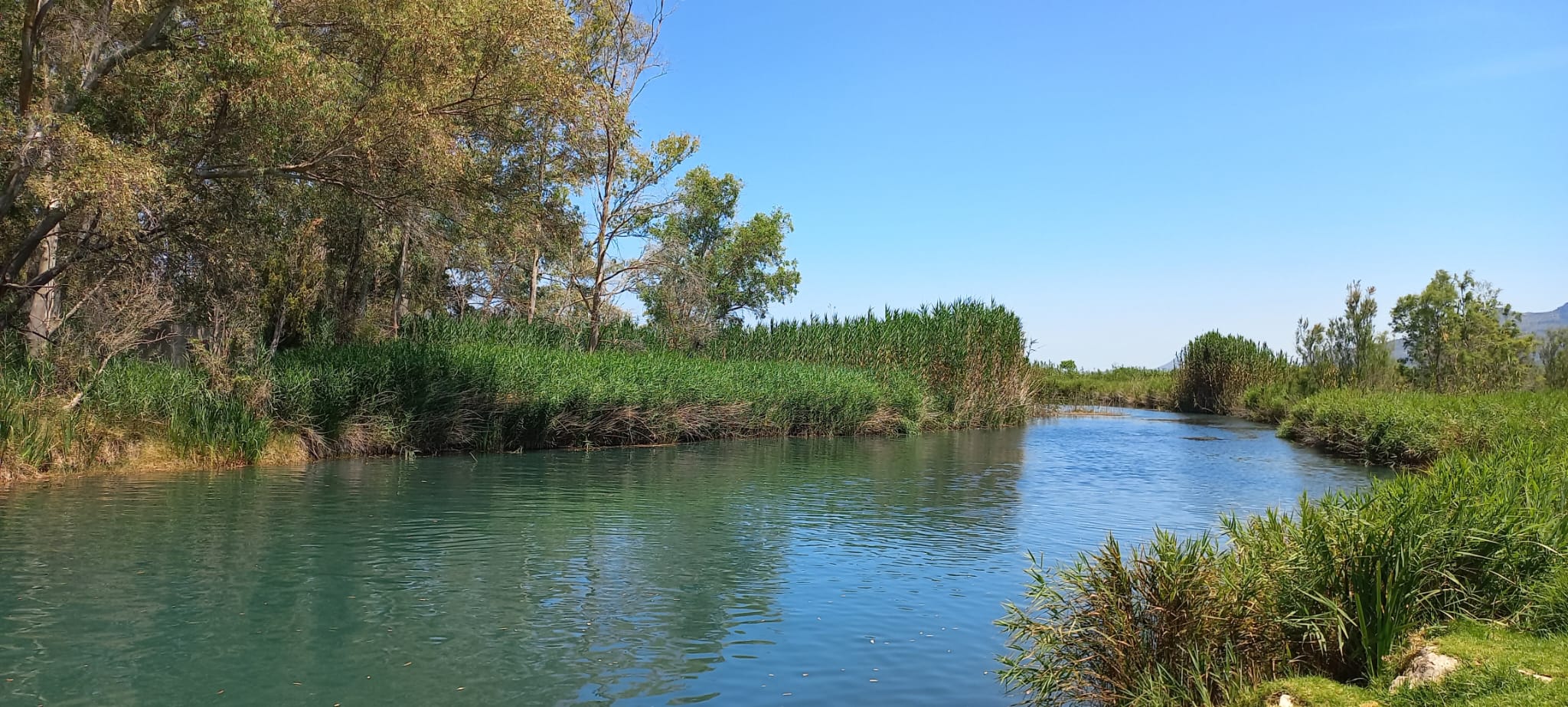
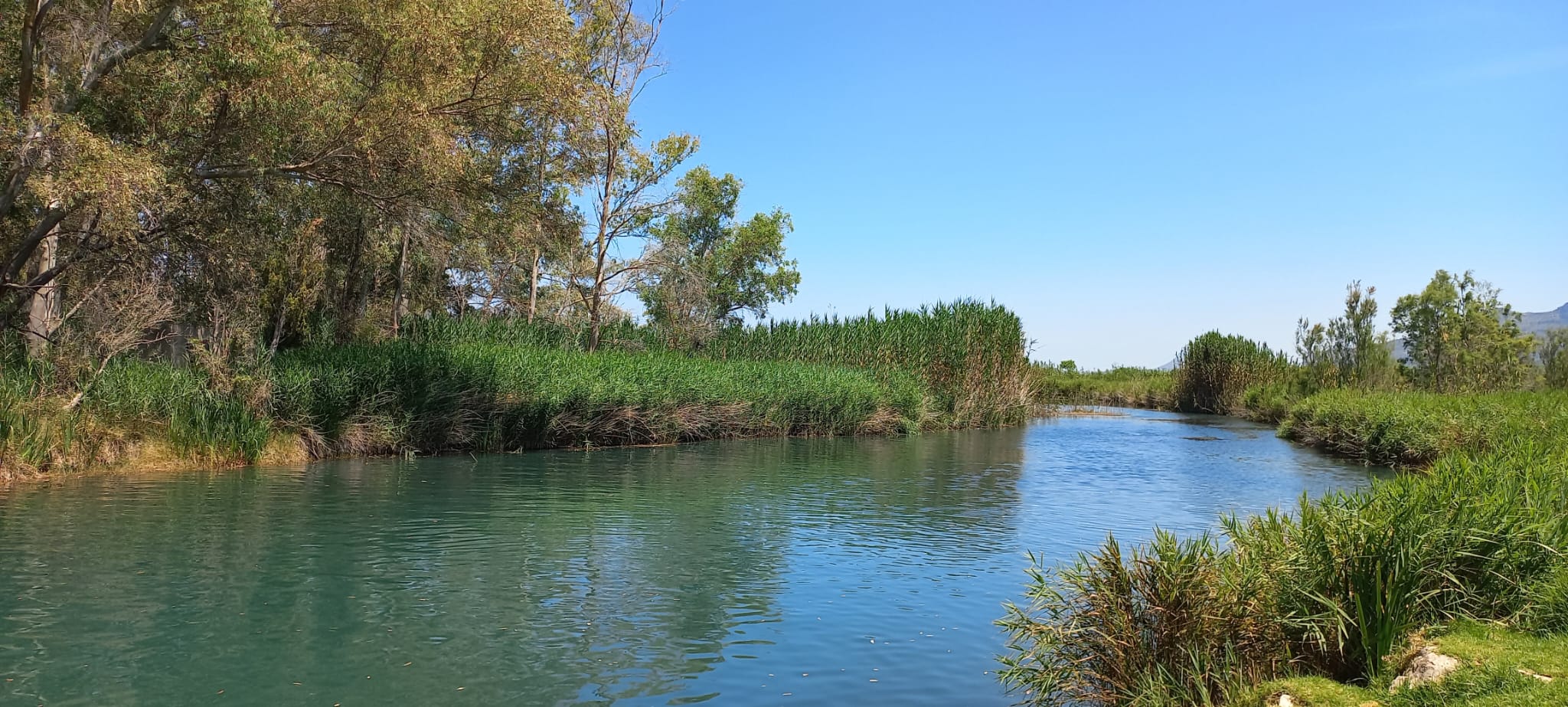
Today we will explore the River Serpis valley, conveniently situated close to our hotel.
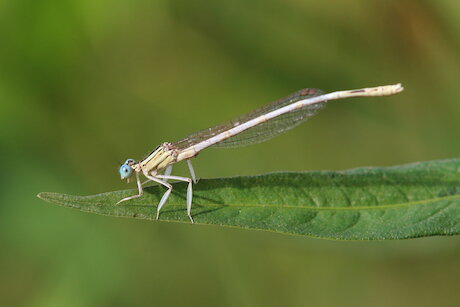
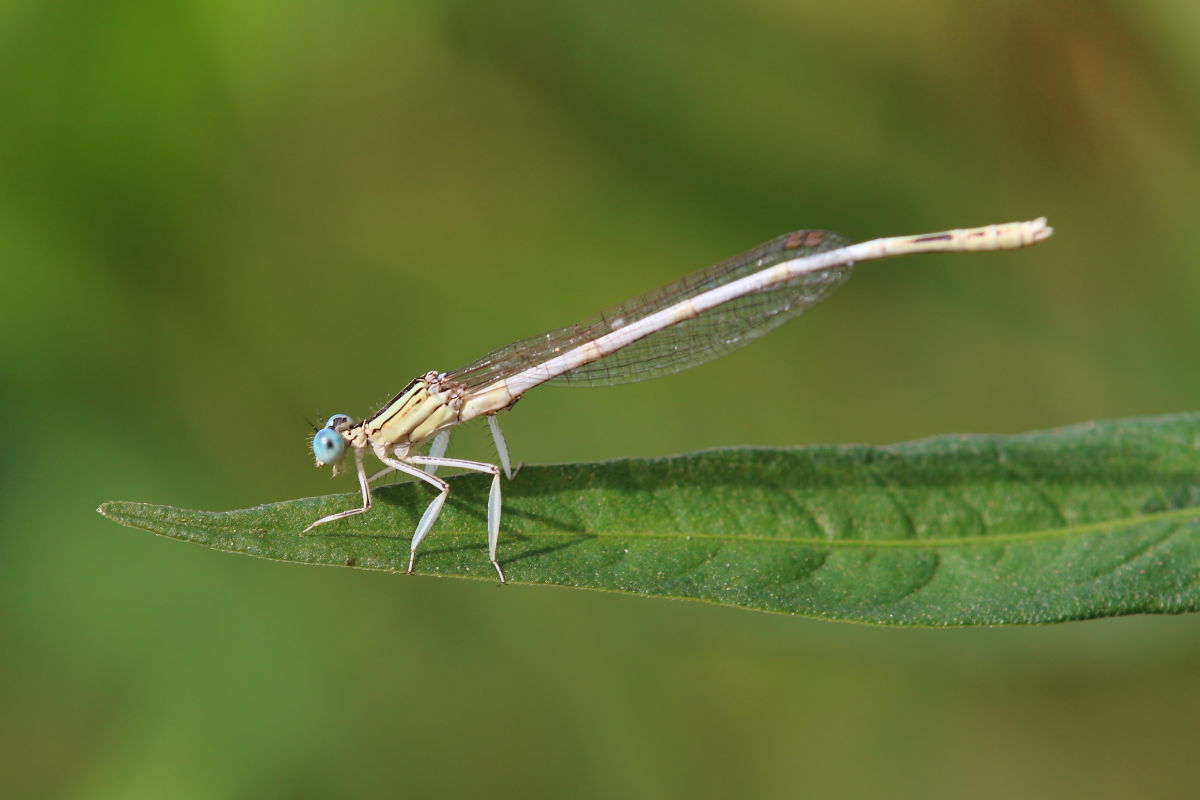
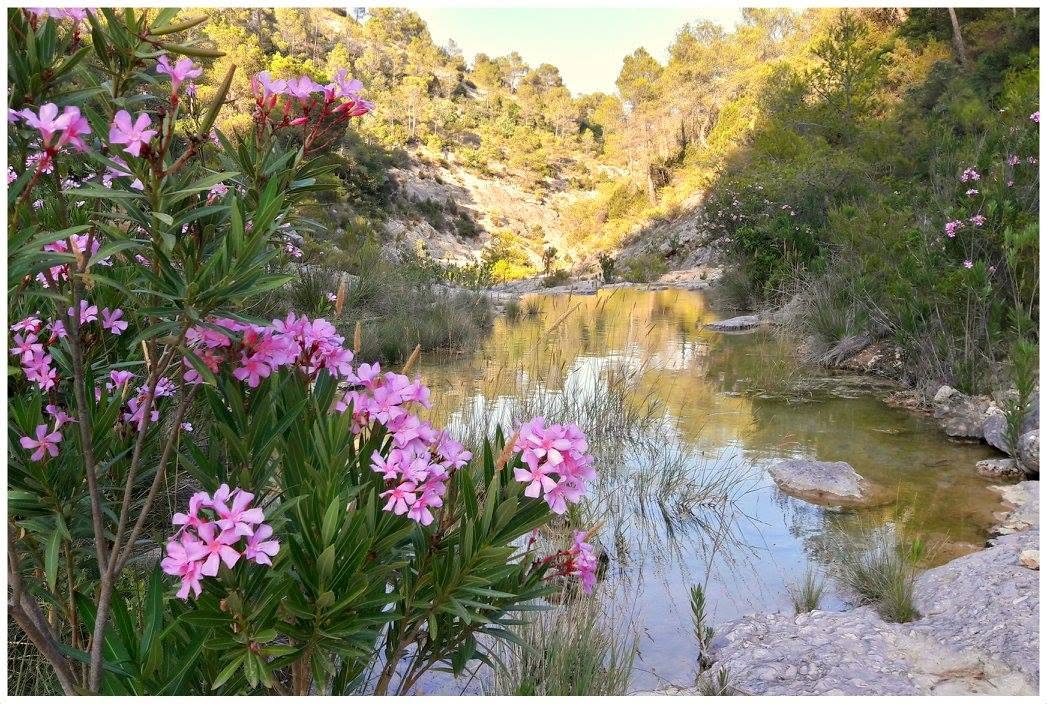
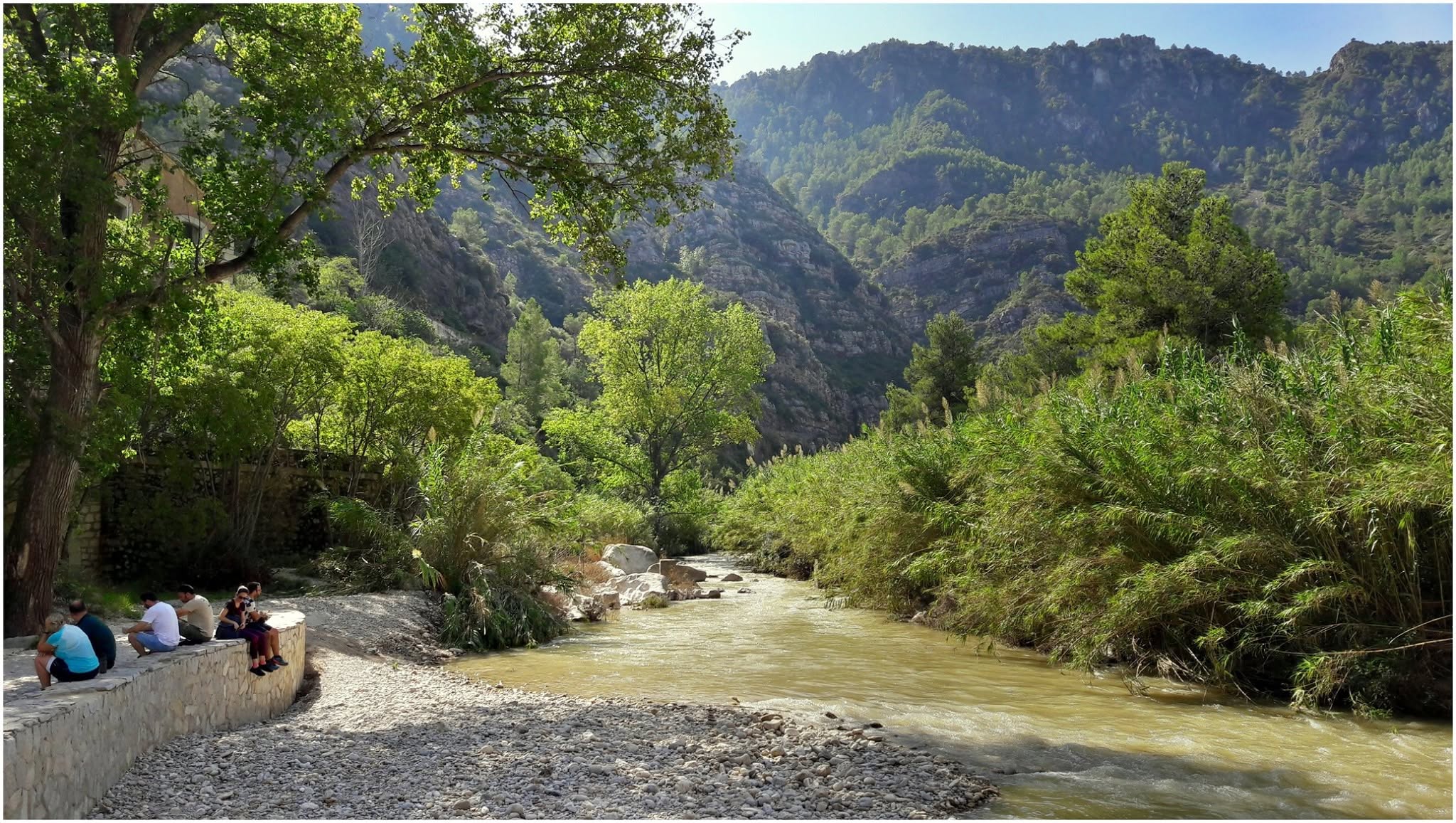
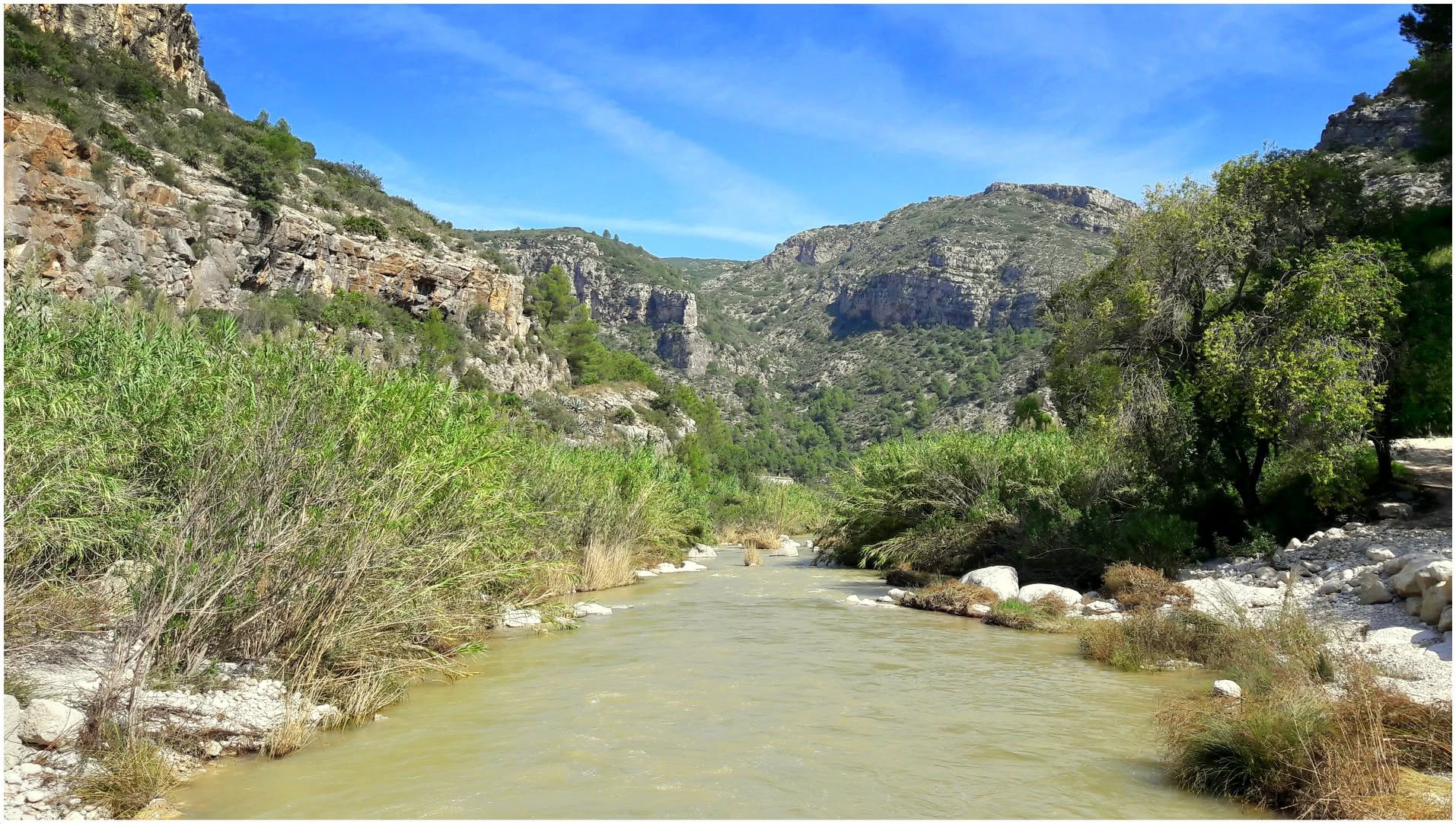
The Serpis winds through a dramatic landscape of wooded hillsides, limestone cliffs, rocky gorges and traditional Mediterranean farmland. The river and its tributaries provide excellent habitat for a variety of river-loving damselflies. Two of our principal targets will be Orange Featherleg Platycnemis acutipennis and White Featherleg Platycnemis latipes, two attractive Iberian damselflies which may offer excellent opportunities for close observation and photography.
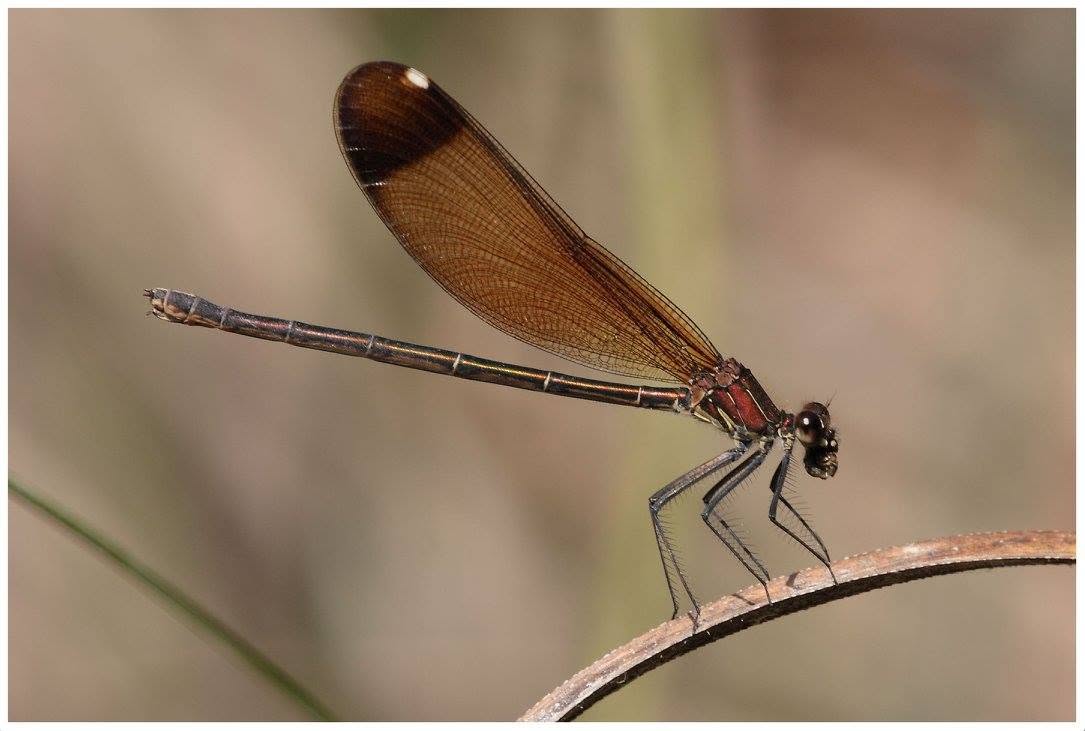
We will also search for the magnificent Copper Demoiselle Calopteryx haemorrhoidalis. The males, with their dark metallic bodies and richly coloured wings, are particularly impressive as they flutter above sunlit stretches of flowing water.
Other possible species include Goblet-marked Damselfly Erythromma lindenii, Large Red Damselfly Pyrrhosoma nymphula, and the fascinating Winter Damselfly Sympecma fusca. The latter is particularly unusual because, unlike most European Odonata, it survives the winter as an adult, remaining concealed amongst vegetation until warmer weather encourages it to become active again.
Day 3 – Pego-Oliva Marshes and the valleys of La Marina
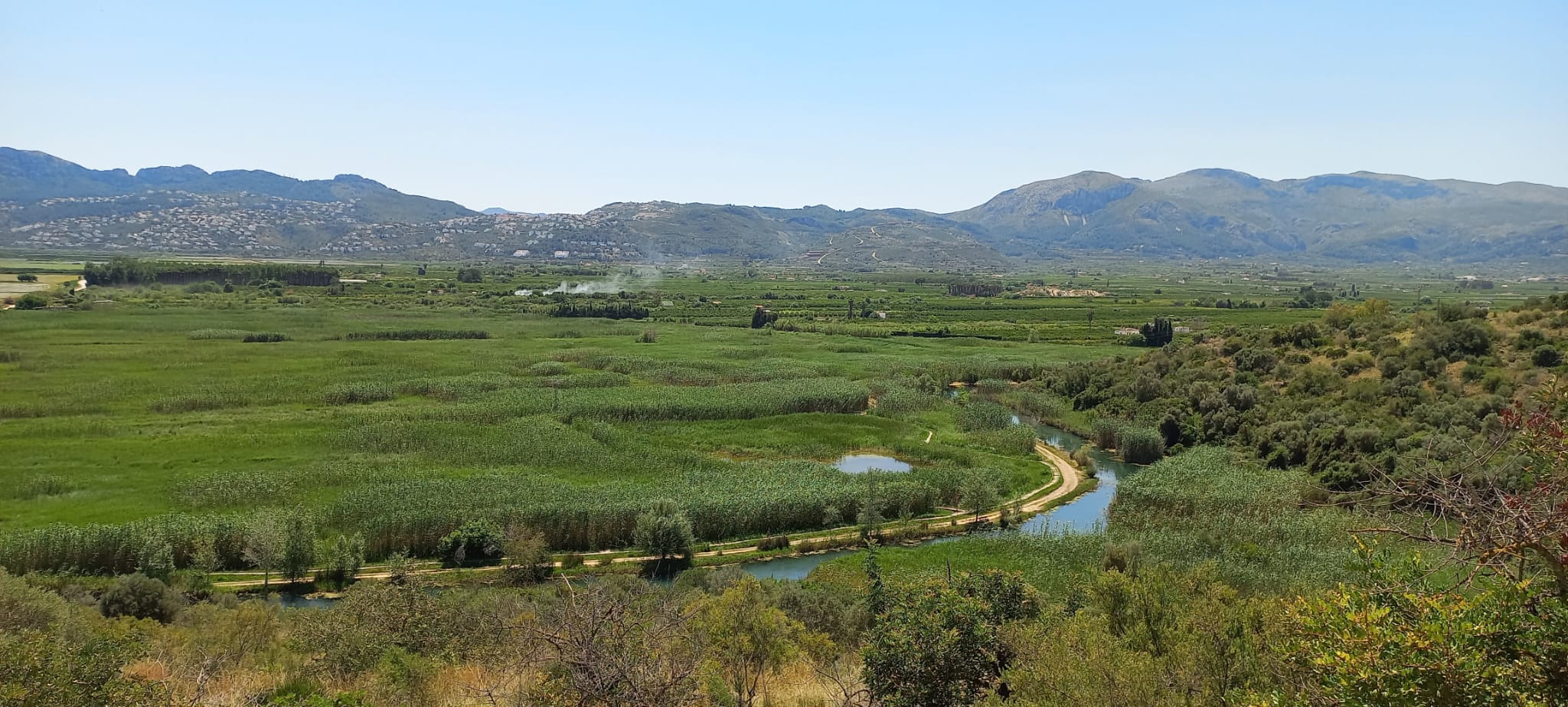
Our destination today is the outstanding Marjal de Pego-Oliva Natural Park, a beautiful coastal wetland lying between the provinces of Valencia and Alicante.
Surrounded by limestone mountains, this protected marshland forms a wonderful mosaic of reedbeds, freshwater pools, canals, rice fields and natural springs, locally known as ullals. The exceptionally clear spring-fed waters of the Bullent and Racons rivers help maintain a fascinating wetland ecosystem.
This diversity of habitats makes the area particularly attractive to dragonflies and damselflies. One of our special targets will be the Green-eyed Hawker Aeshna isoceles, which will be towards the end of its flight season. We will also look for Blue Emperor Anax imperator and Small Red-eyed Damselfly Erythromma viridulum, the latter often resting on floating aquatic vegetation.
We will head towards the surrounding valleys looking for Western Clubtail Gomphus pulchellus, and in the warmer and shallower streams we should encounter some particularly interesting Mediterranean species, including the spectacular Orange-winged Dropwing Trithemis kirbyi, Long Skimmer Orthetrum trinacria and Epaulet Skimmer Orthetrum chrysostigma.
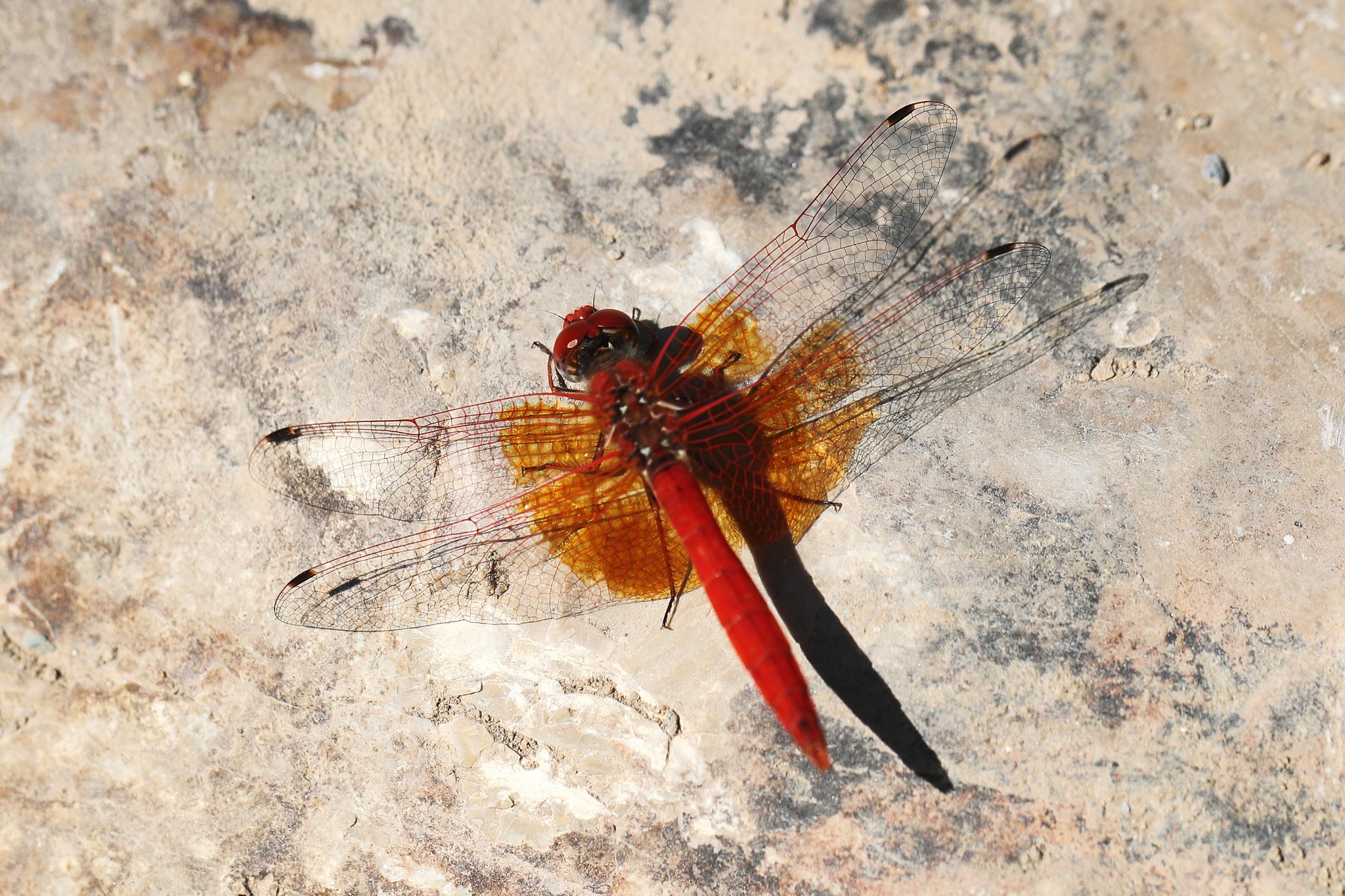
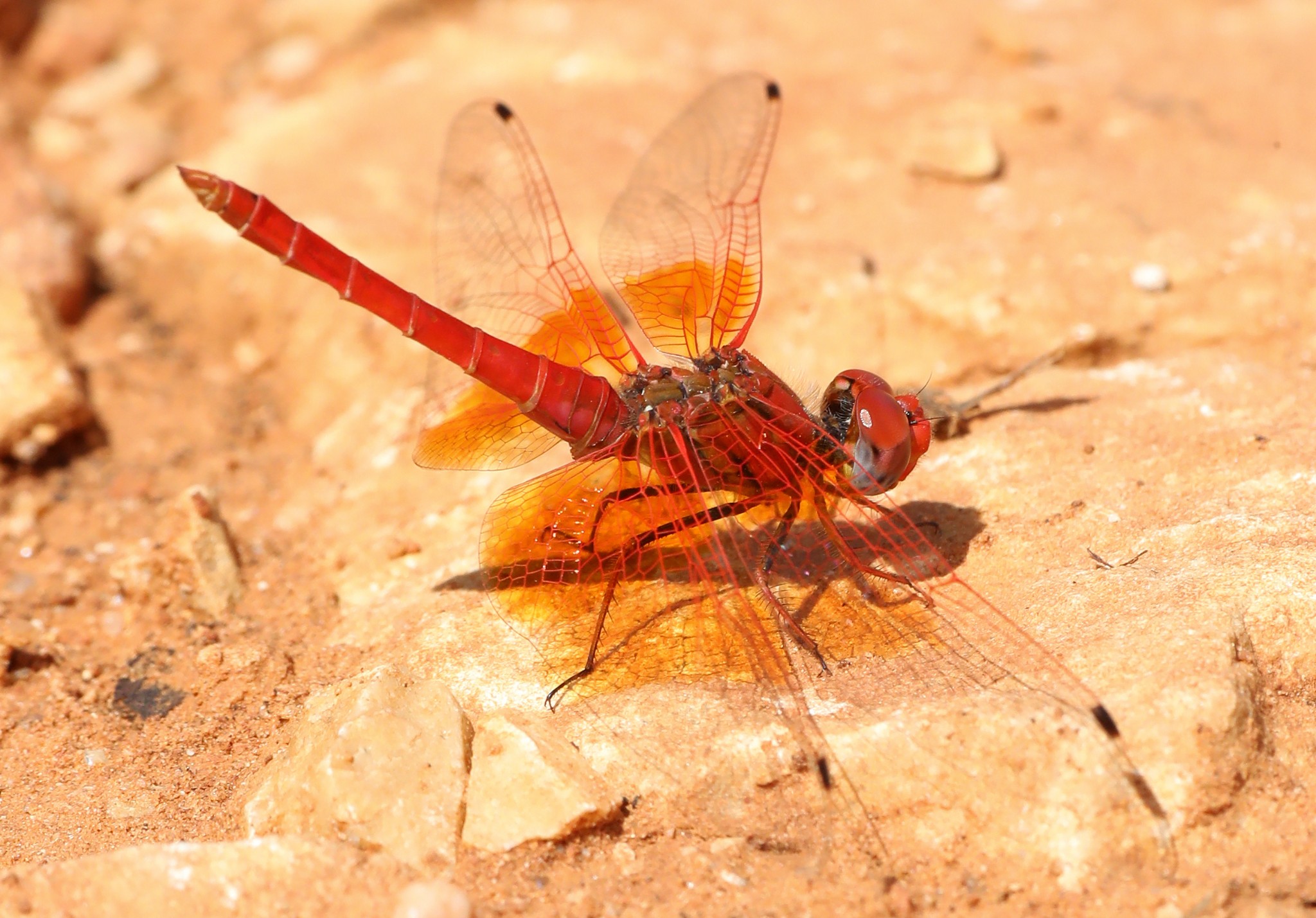
The Orange-winged Dropwing is especially eye-catching, with intensely orange-red males and distinctive amber wing patches. Originally associated with warmer African and Asian regions, it is a fascinating example of the changing distribution of Mediterranean dragonflies. Other species we might see today include Keeled Skimmer Orthetrum coerulescens and Iberian Bluetail Ischnura graellsii.Day 4 – Alicante: in search of African specialities
Today we will travel further south into the province of Alicante, where the climate becomes increasingly warm and dry. Our main focus will be selected wetlands and stretches of the River Vinalopó, where suitable pools, slow-flowing water and surrounding vegetation provide opportunities to encounter several highly desirable dragonfly species.
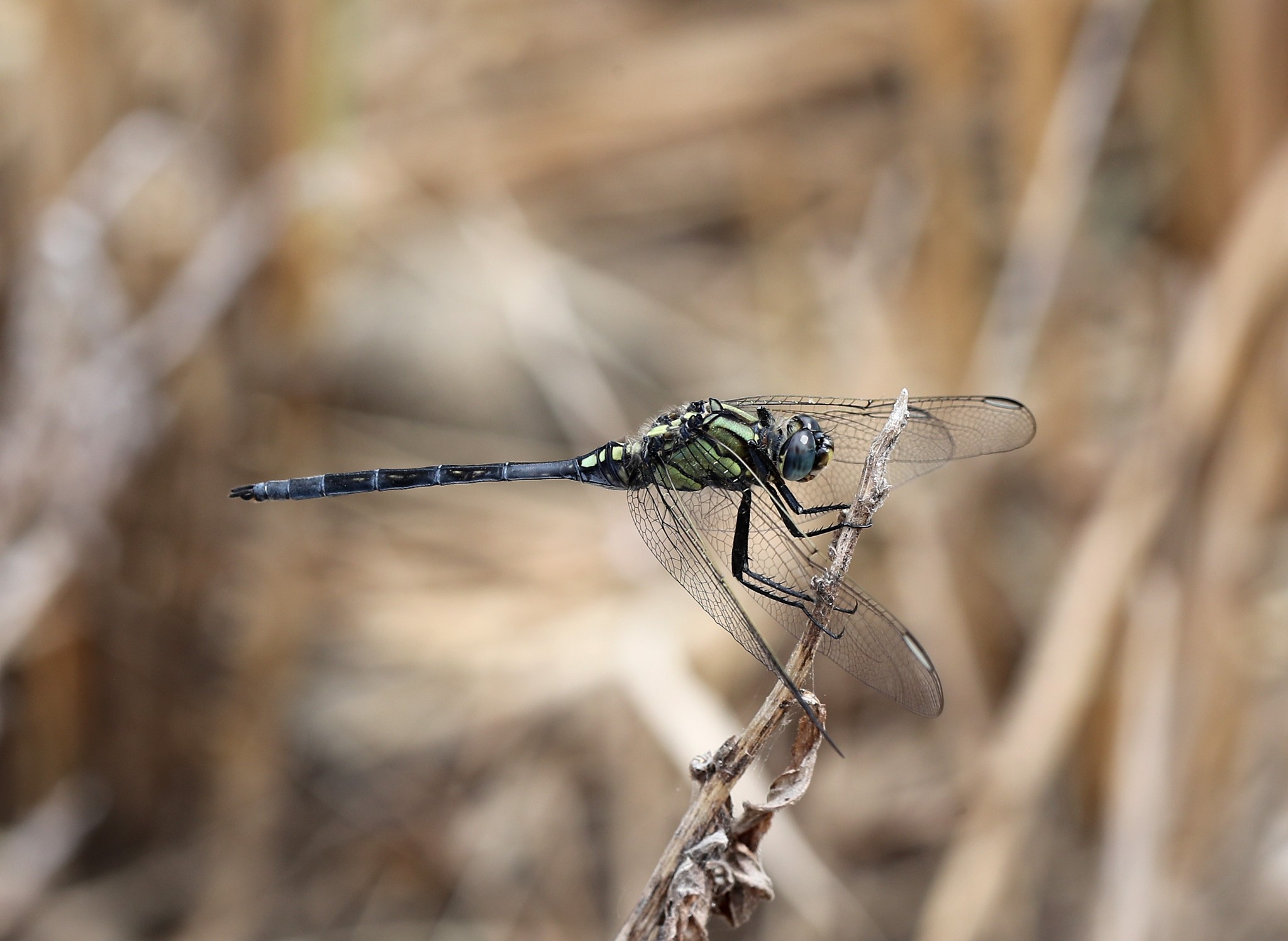
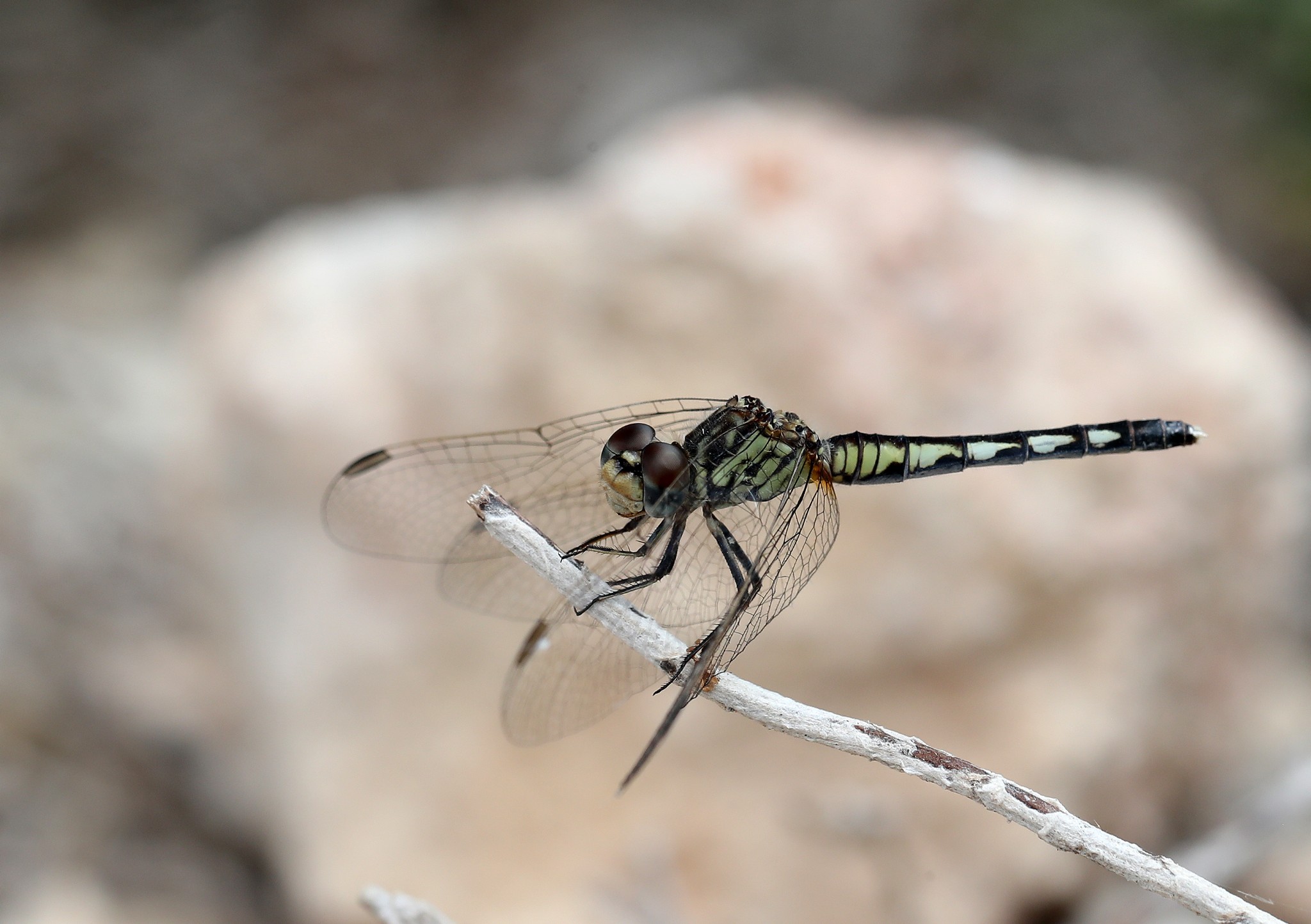
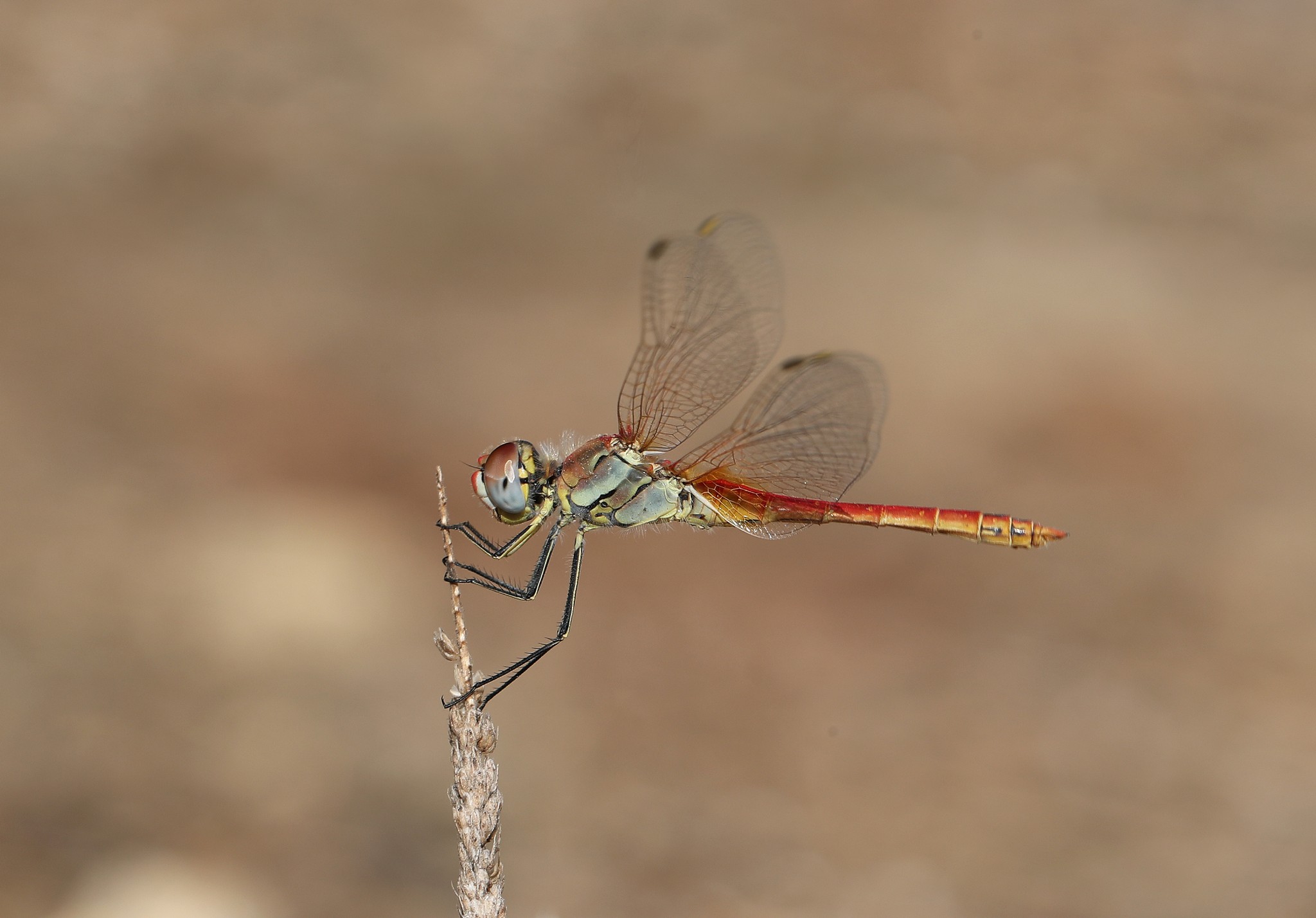
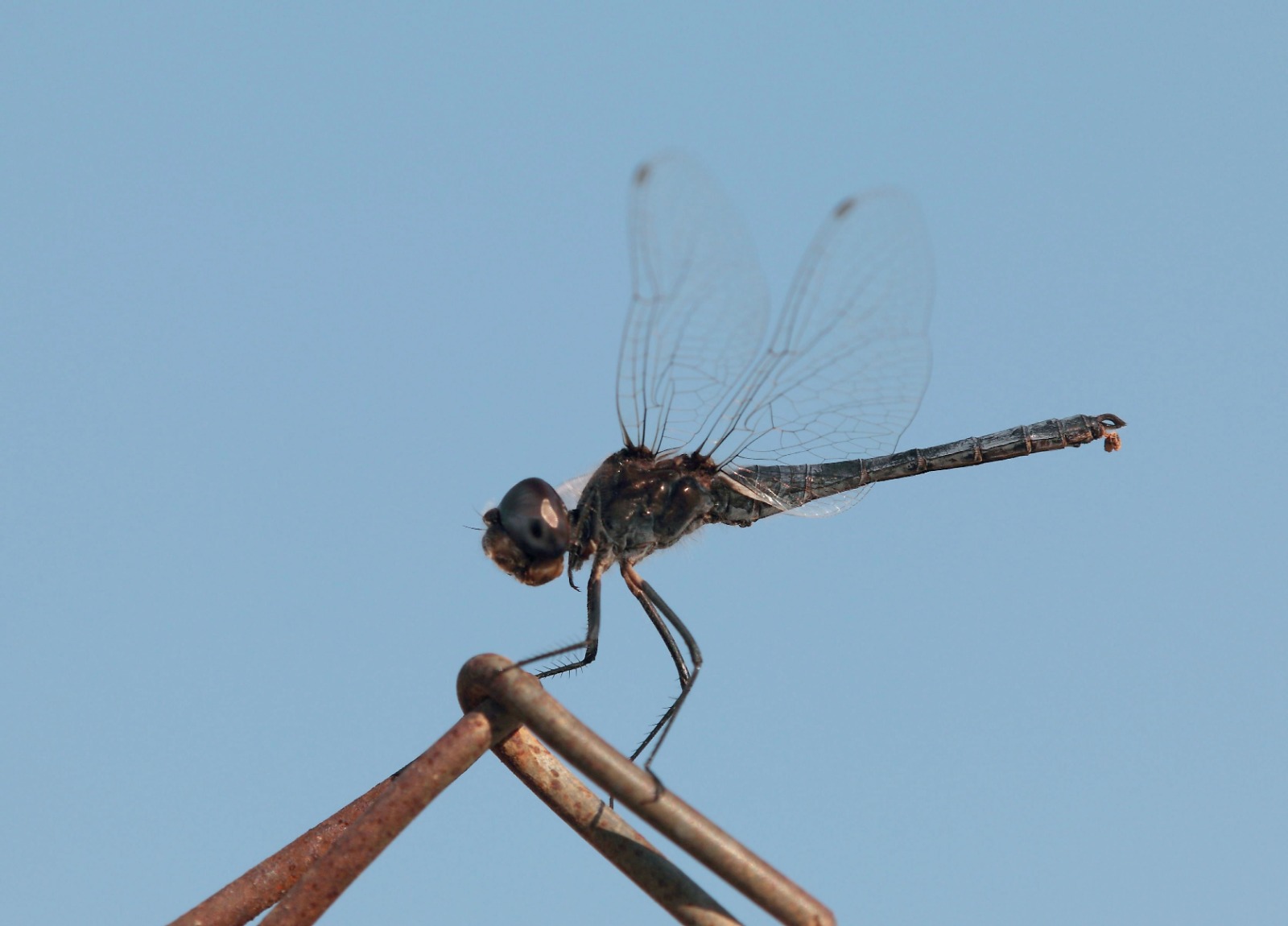
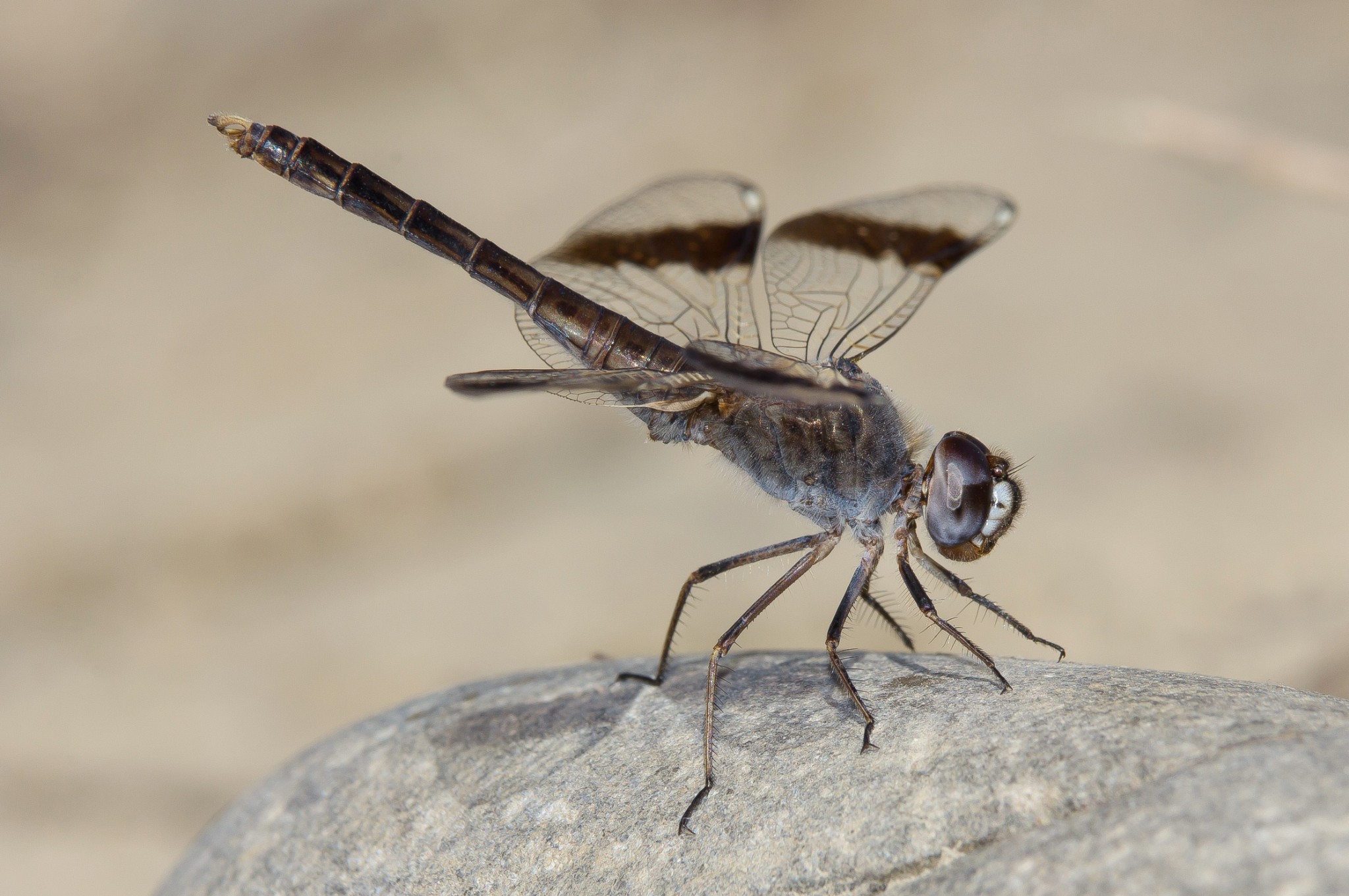
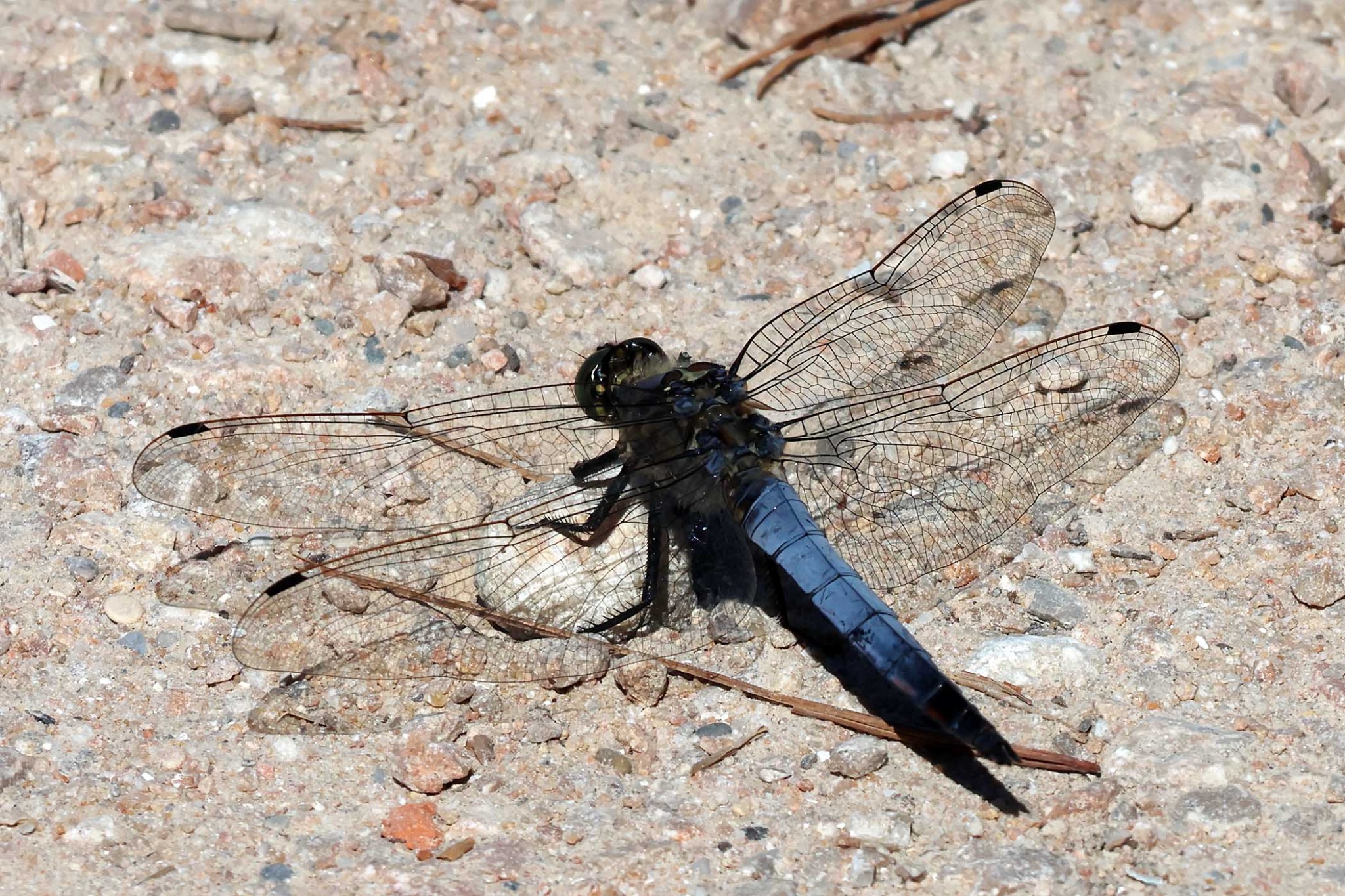
Among our principal targets will be the remarkable Black Percher Diplacodes lefebvrii. Mature males are almost entirely black, giving them a distinctive appearance quite unlike many of the more familiar European skimmers. Another exciting possibility is Black Pennant Selysiothemis nigra, an elegant, delicate-looking dragonfly with unusually broad, transparent wings and a relatively small body. Although both species tend to become more abundant as summer progresses, we will be alert to the possibility of either. If time allows, we may visit some of the coastal wetlands looking for Long Skimmer Orthetrum trinacria and Lesser Emperor Anax parthenope.
Day 5 – La Canal de Navarrés: the jewel of the tour
We have saved one of our most exciting excursions until our final full day in the field.
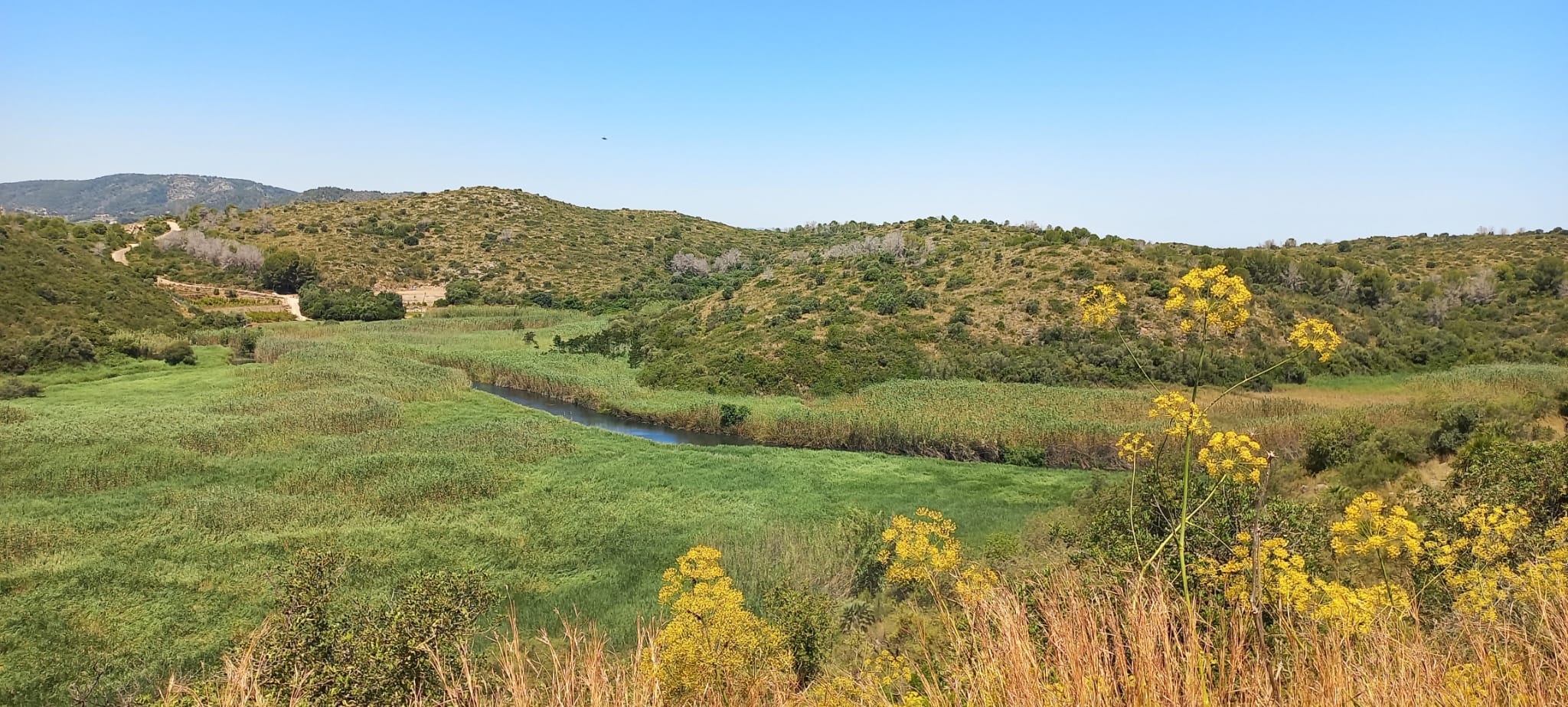
Today we head inland towards La Canal de Navarrés, a remarkable landscape of limestone mountains, forested valleys, freshwater springs and secluded rivers in the interior of Valencia province.
This is a region where water has shaped both the landscape and its biodiversity. Clear streams emerge from rocky hillsides, flowing through deep gorges, shaded ravines and patches of Mediterranean woodland. Our principal target will be the extraordinary Cazuma Pincertail Onychogomphus cazuma, one of the most remarkable recent discoveries in European odonatology.
Described to science in 2020, this dragonfly takes its name from the River Cazuma, where the species was first recognised. Its discovery demonstrated that even in Europe, where dragonflies have been studied for centuries, previously unrecognised species can still be found. Finding this elusive insect in its natural habitat would undoubtedly be one of the highlights of our holiday.
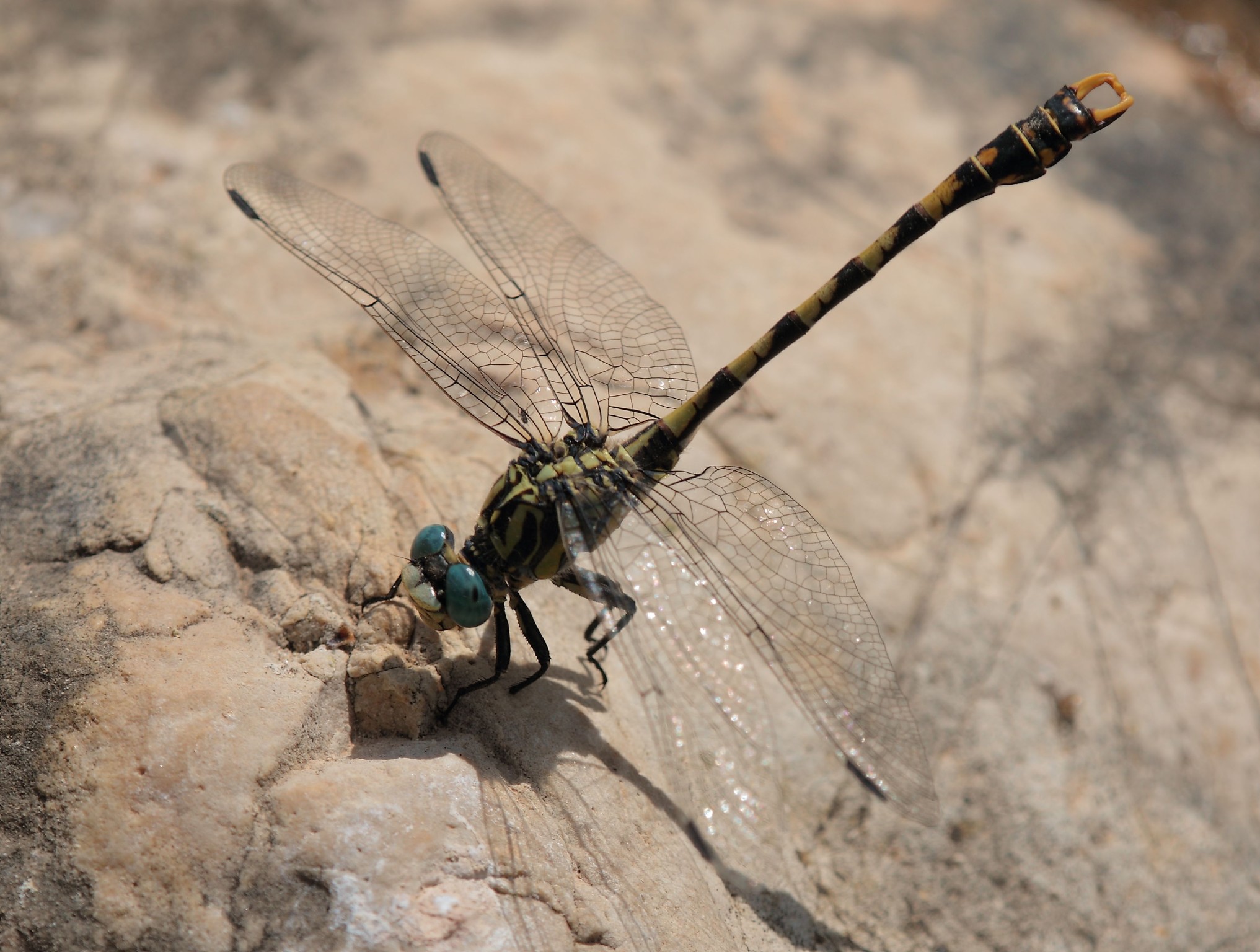
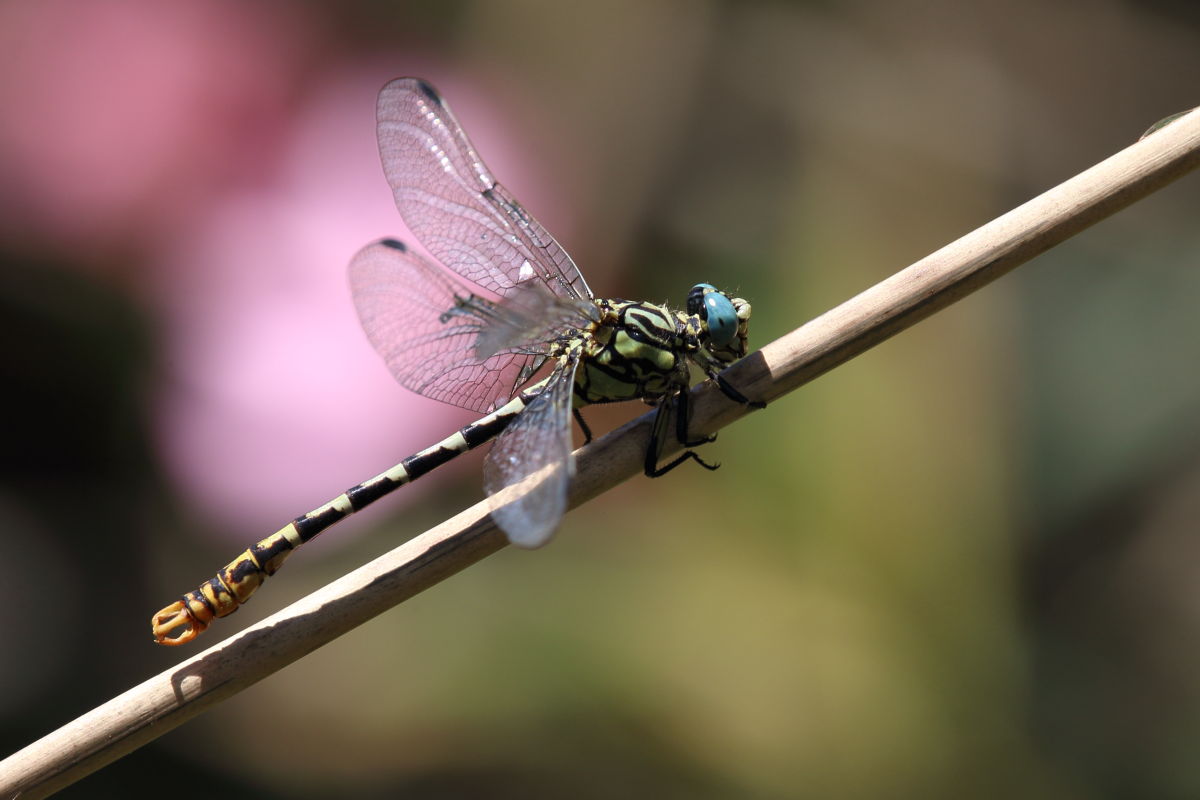
The region also offers opportunities to search for two other impressive members of the same genus: Small Pincertail Onychogomphus forcipatus and Large Pincertail Onychogomphus uncatus. These handsome, yellow-and-black dragonflies are closely associated with running water, and their striking appearance makes them particularly appealing photographic subjects.
Another species we might encounter today is Orange-spotted Emerald Oxygastra curtisii. It is a beautiful metallic-green dragonfly whose bright eyes and orange abdominal markings make it one of Europe's most distinctive riverine species.
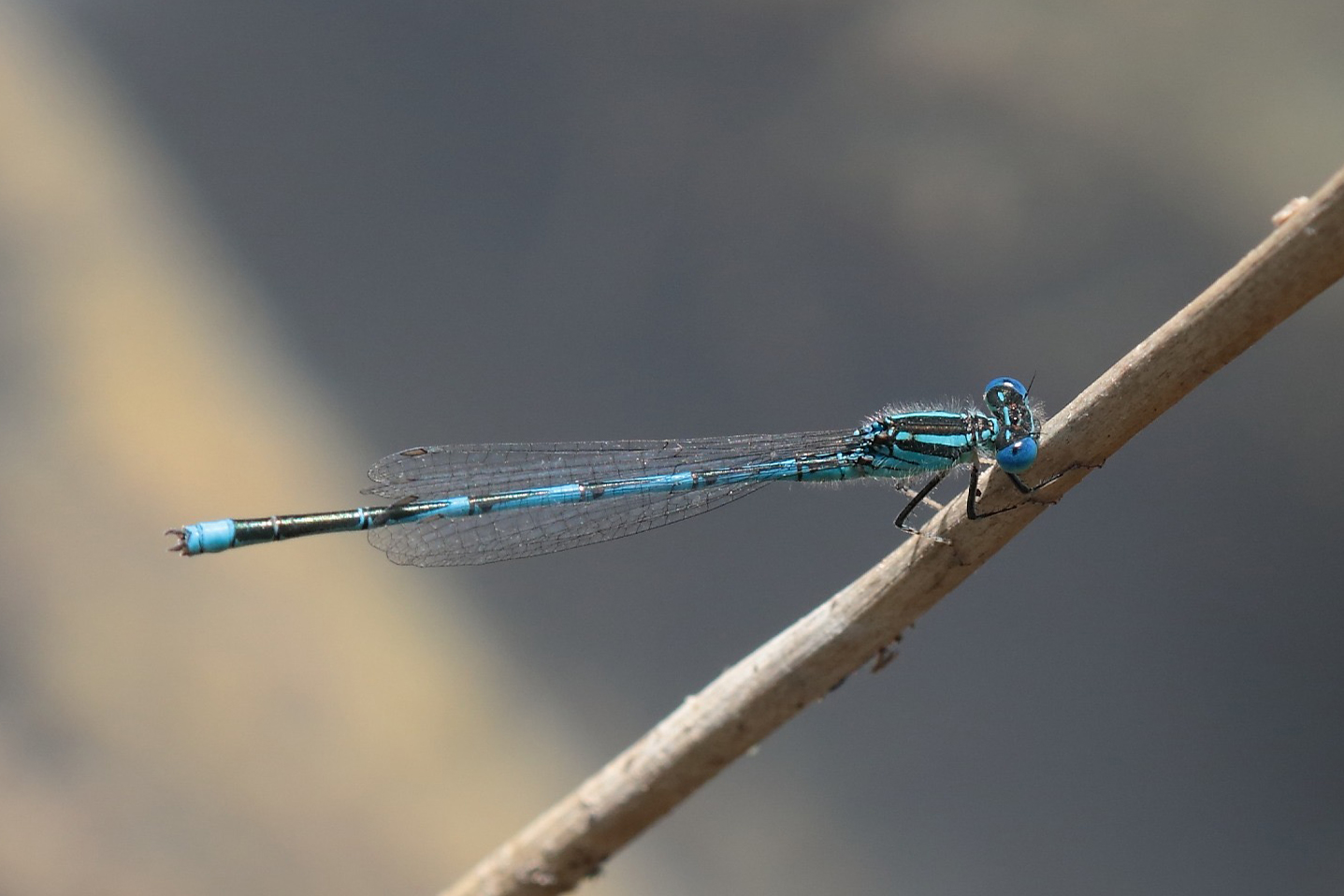
We will also search suitable small streams and vegetated channels for the delicate Southern Damselfly Coenagrion mercuriale and Mediterranean Bluet Coenagrion caerulescens. If conditions are favourable, we may also encounter Migrant Spreadwing Lestes barbarus, while Southern Darter Sympetrum meridionale would be an additional welcome find.
This should be a fascinating day, combining the excitement of searching for a recently described European dragonfly with the pleasure of exploring some of the Valencian Community's most beautiful and, for the visitor, least-known freshwater habitats.
We will return to Casa Babel for our final evening together, with plenty of memories, photographs and hopefully an impressive list of Odonata to look back upon.Day 6 – A final visit to L’Albufera Natural Park and departure
South of the airport remains the spectacular L'Albufera Natural Park, one of the most important Mediterranean wetland complexes in Europe. It comprises a vast freshwater lagoon surrounded by extensive rice paddies, reedbeds, irrigation channels, and shallow pools. The rice fields stretch towards the horizon, creating a remarkable mosaic of aquatic habitats which changes with the agricultural seasons.
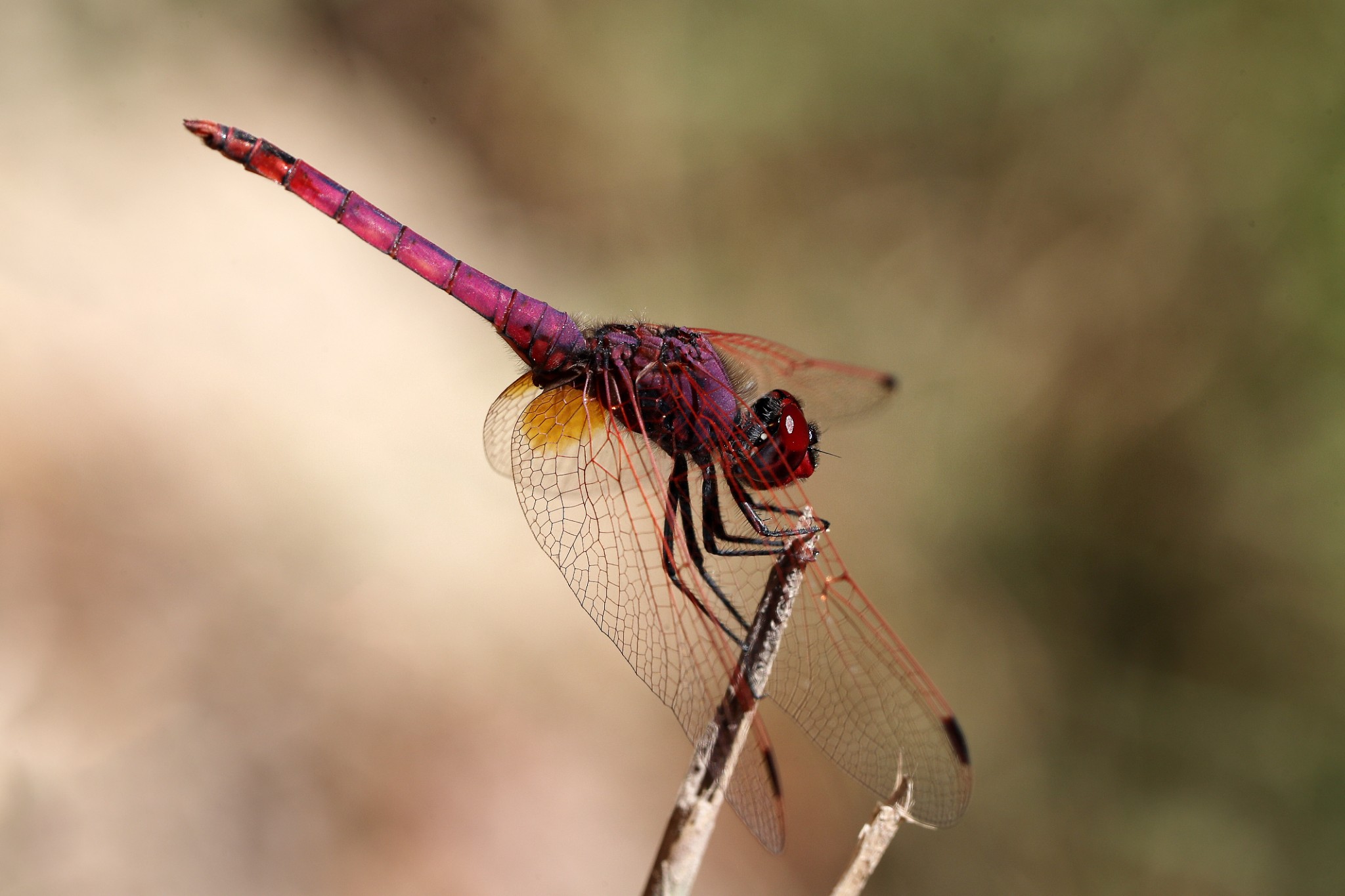
Our main targets will be Northern Banded Groundling Brachythemis impartita, a distinctive species whose males possess striking dark bands across their wings, and the beautiful Violet Dropwing Trithemis annulata, whose vivid purple-pink males are among the most colourful dragonflies of the Mediterranean.
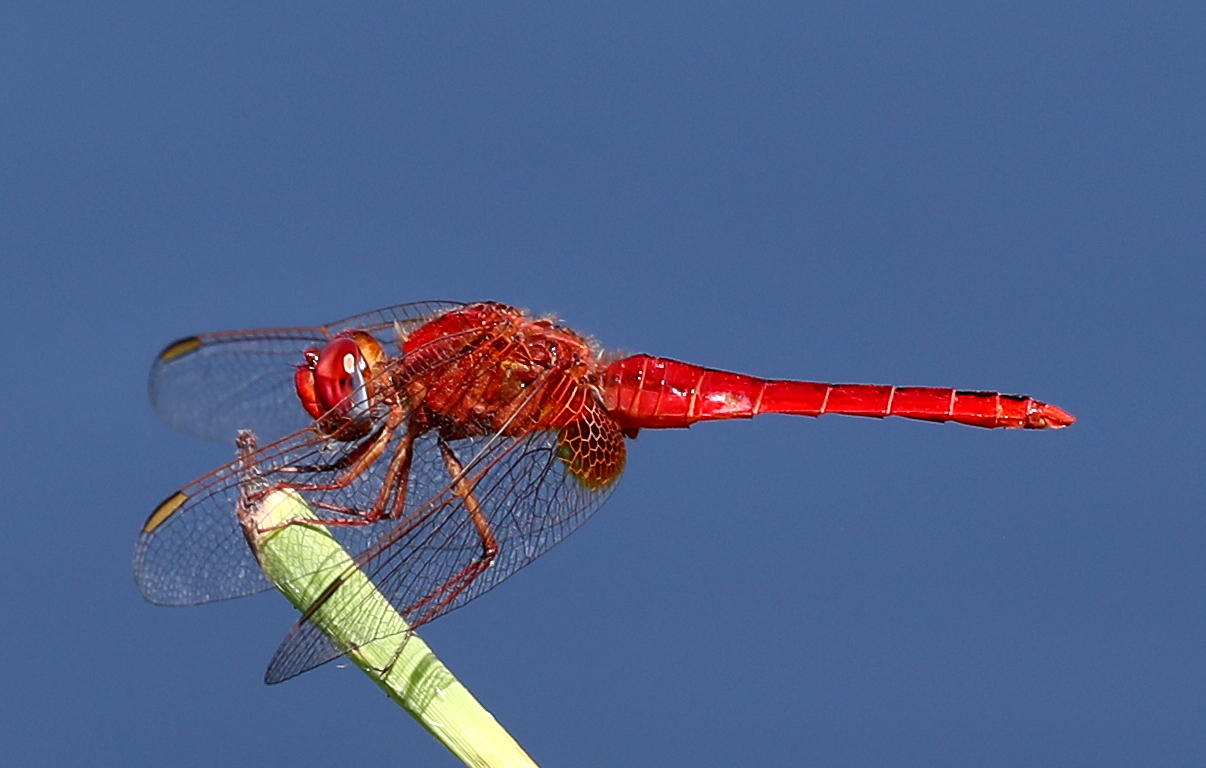
Other species we hope to encounter include the brilliant red Scarlet Darter Crocothemis erythraea, Red-veined Darter Sympetrum fonscolombii, Black-tailed Skimmer Orthetrum cancellatum and Common Bluetail Ischnura elegans.
The extensive wetlands are also internationally important for birdlife, and we may encounter herons, egrets, waders and other characteristic Mediterranean waterbirds as we explore. We'll time our visit to this impressive wetland according to our guests onward travel plans, ensuring we allow ample time of courser for those who are planning to leave on a flight today.
As with all of our tours, we want our guests to enjoy the very best views of the very best wildlife and, as such, we think it’s important to retain a little flexibility in the holiday itinerary. This means that we may choose to swap days around to take into account local weather conditions, or the timing of the flight or flowering season we find upon arrival at our holiday destination. Rest assured, we will ensure you visit all the best sites, and we have your best interests and comfort at heart!
*We’ll meet at the airport as this is a convenient travel hub for many. However, we appreciate that some guests may have chosen to come overland via rail to Valencia. The main railway station in town is Estació del Nord, and there is a frequent aerobus service linking the city centre with the airport.