Booking form

Available places: 12

Deposit: £150.00 / person

After the form is submitted you'll be redirected to the payment page.

Tour Details

Dates:16th of Mar - 22nd of Mar 2027
Availability:12
Group Size:Minimum 3, maximum 12 guests
Grading:Easy day walks
PricesFull price: £1,395.00 / person Single room supplement: £175.00 / person Deposit: £150.00 / person
Price includes: Accommodation, all meals, ground transportation, services of your guides, and a holiday report
Not included: International travel, drinks and other personal items, holiday insurance

Tour Highlights

  • A unique selection of Canary Islands endemic birds and butterflies
  • Additional American and African pioneer butterfly species rarely encountered in Europe
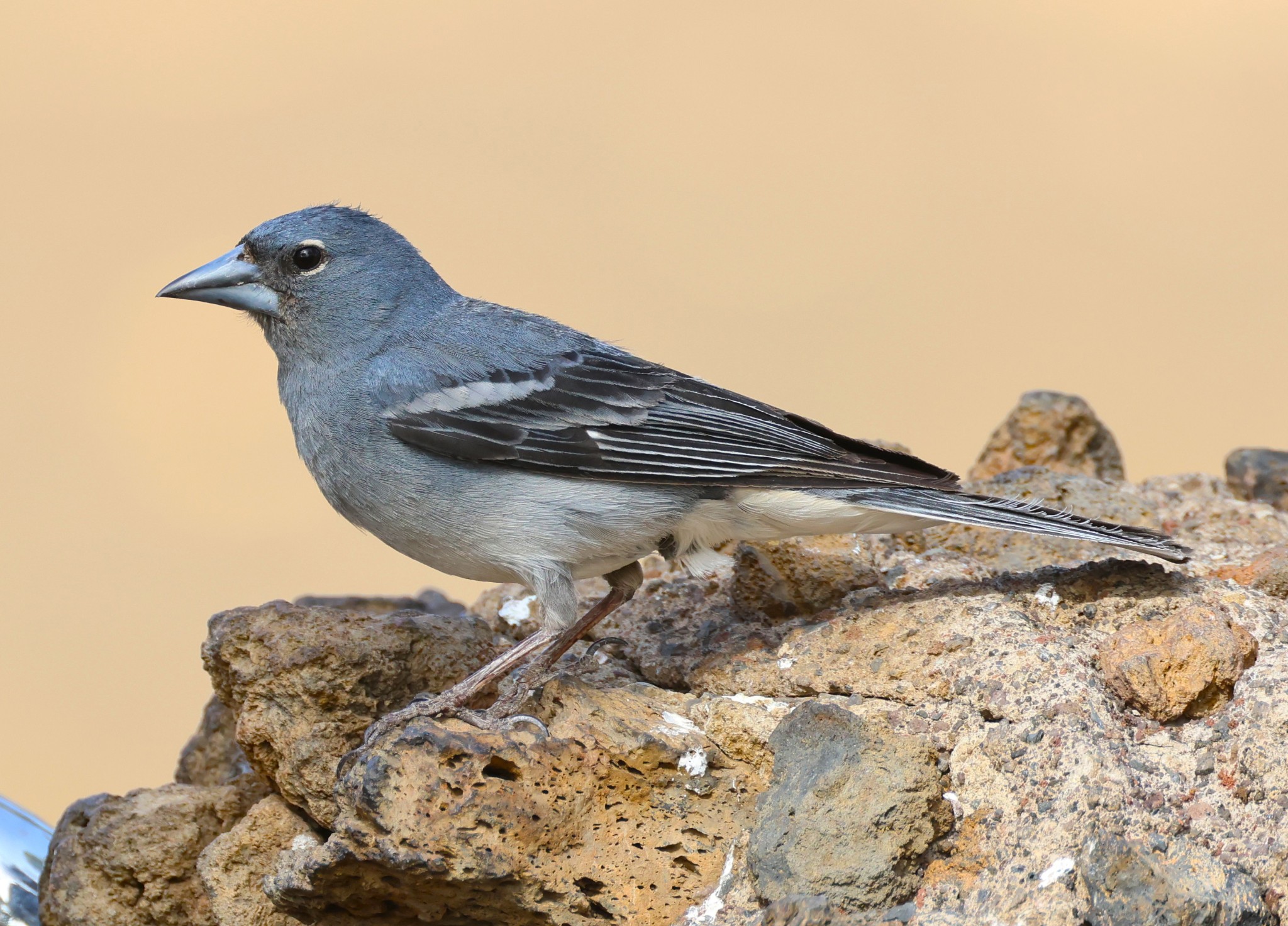
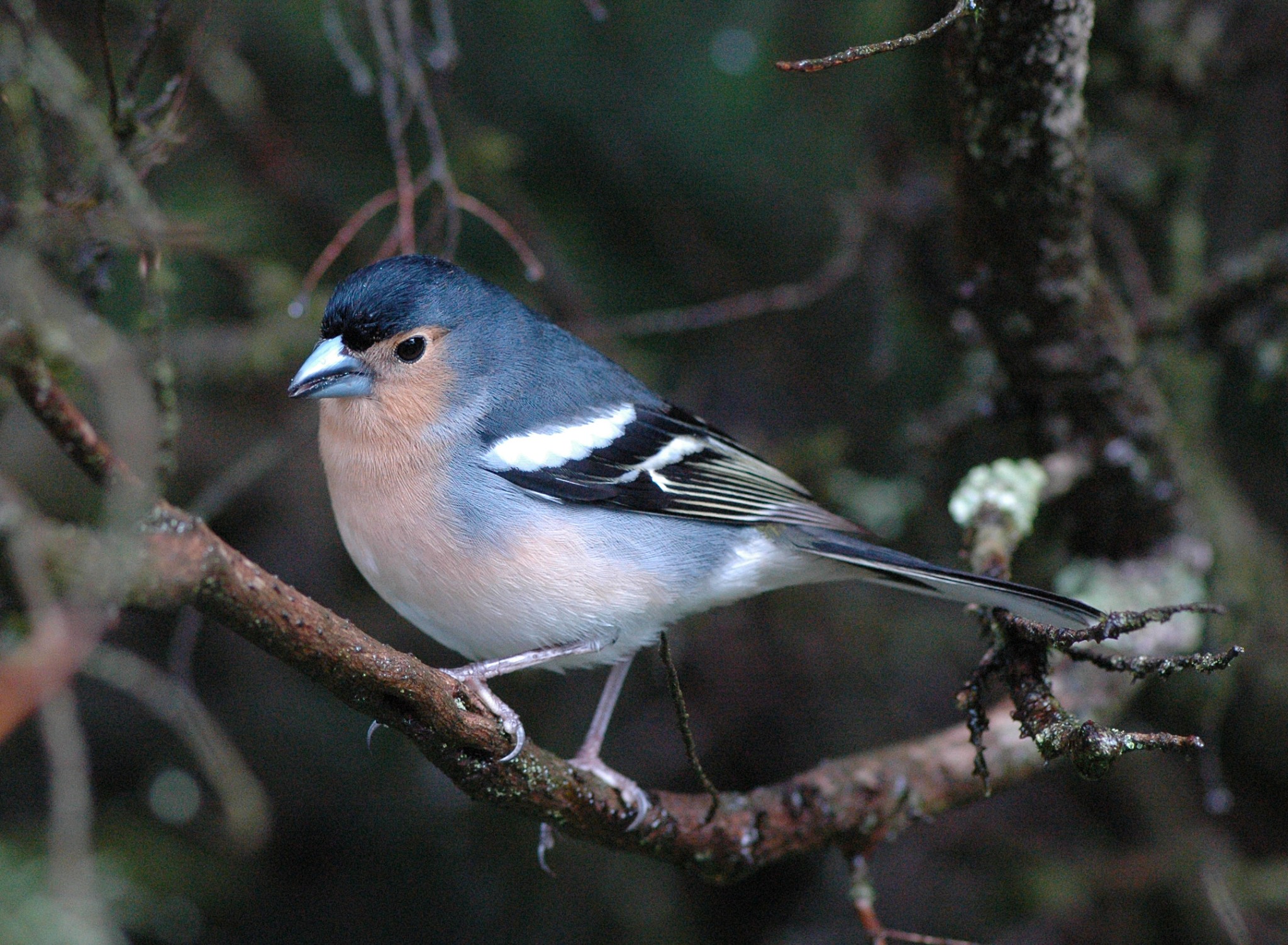
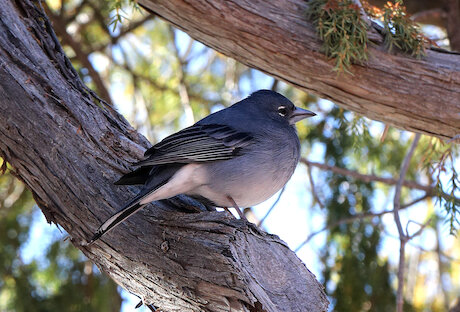
  • Encounters with endemic bird species including outrageous Tenerife Blue Chaffinch
  • Your tour leaders will be the renowned professional naturalist duo of Dave Fairhurst & Brian Small, bringing decades of combined birding and wildlife experience
  • A donation will be made to Butterfly Conservation Europe, supporting proactive research and conservation

Tour Description

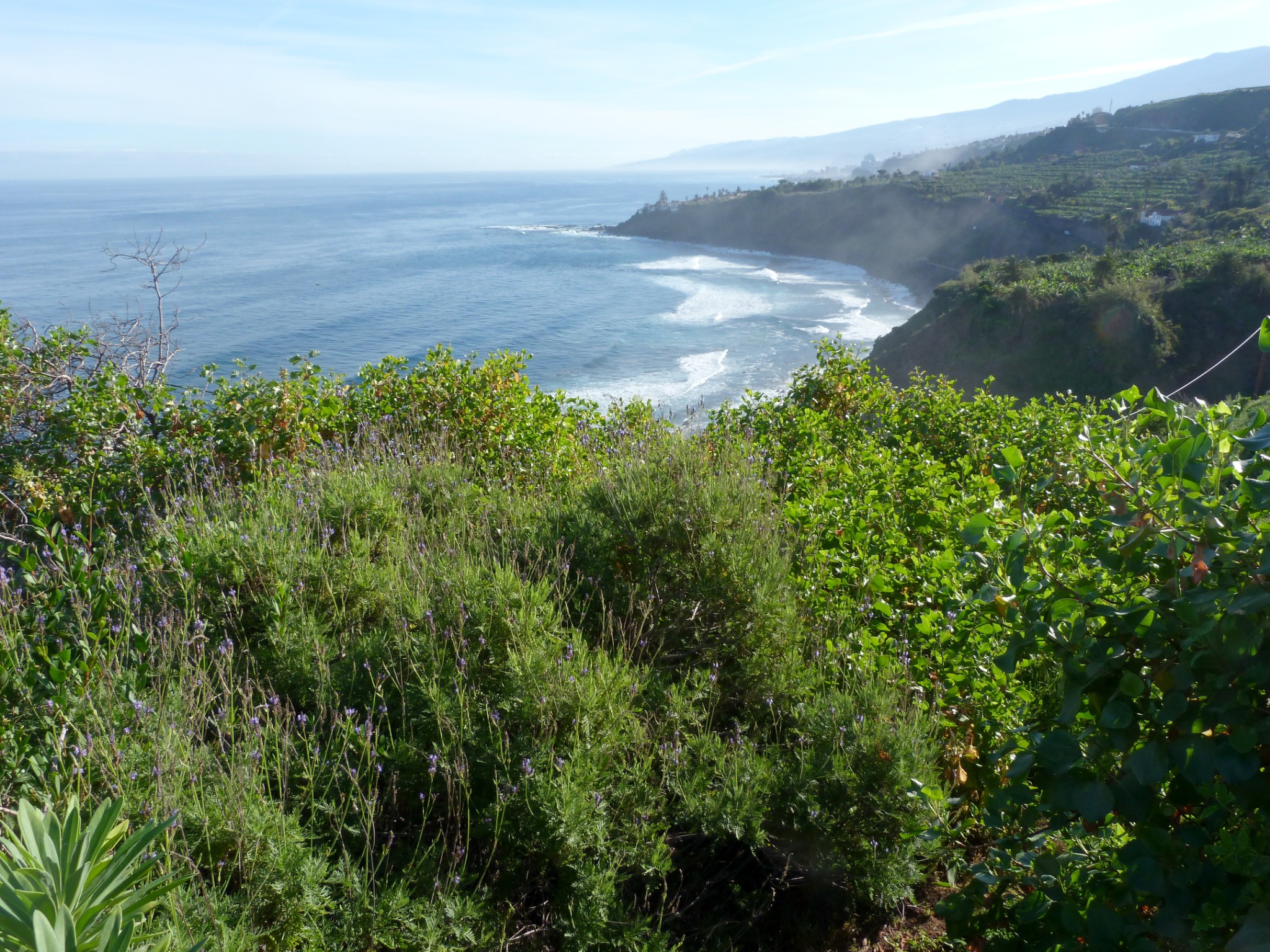
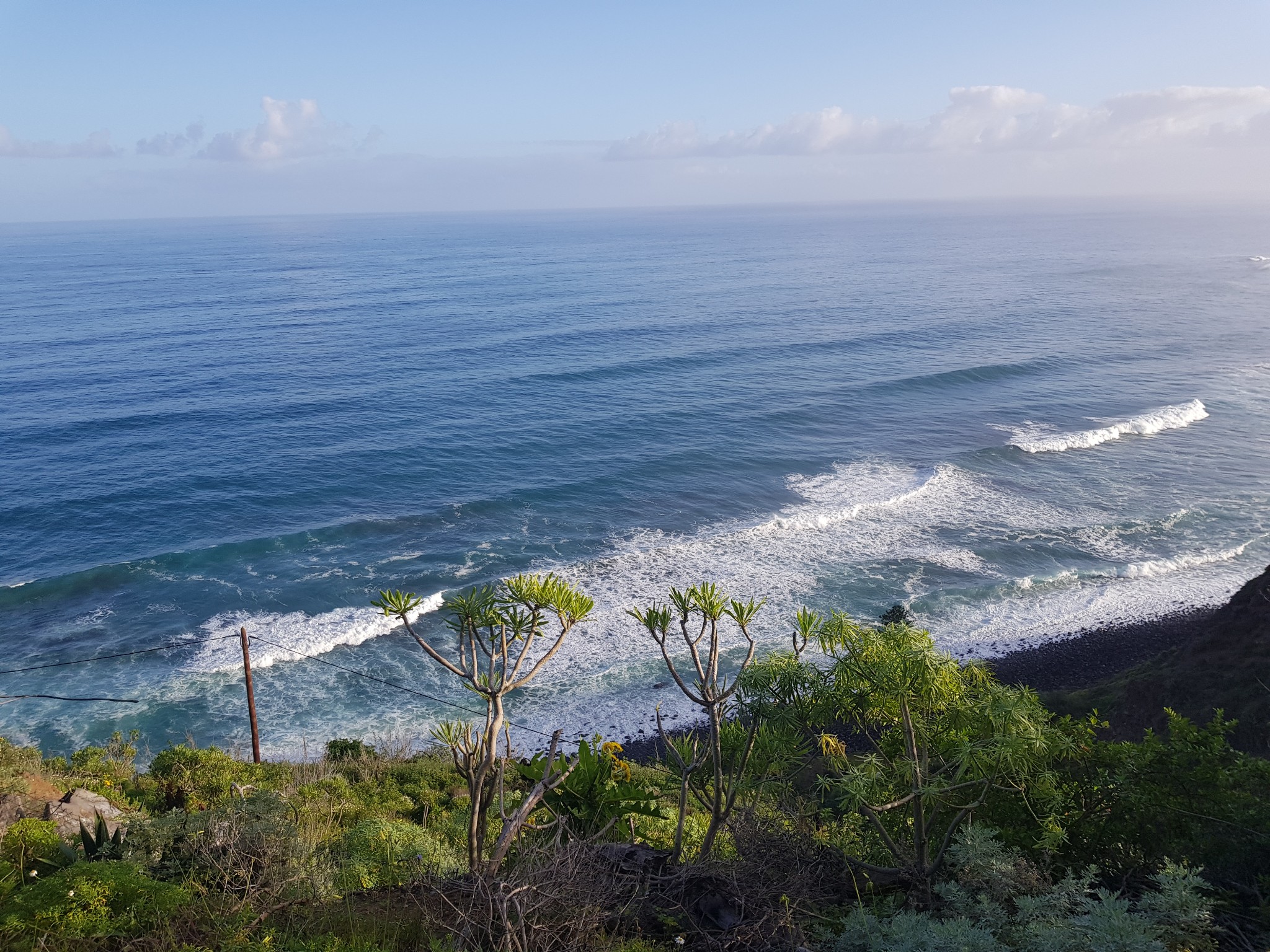
There is no ‘off-season’ for birds or butterflies on Tenerife. Its southerly latitude and maritime location ensure that daytime temperatures are almost constantly above 16°C even in the coolest months of December and January.

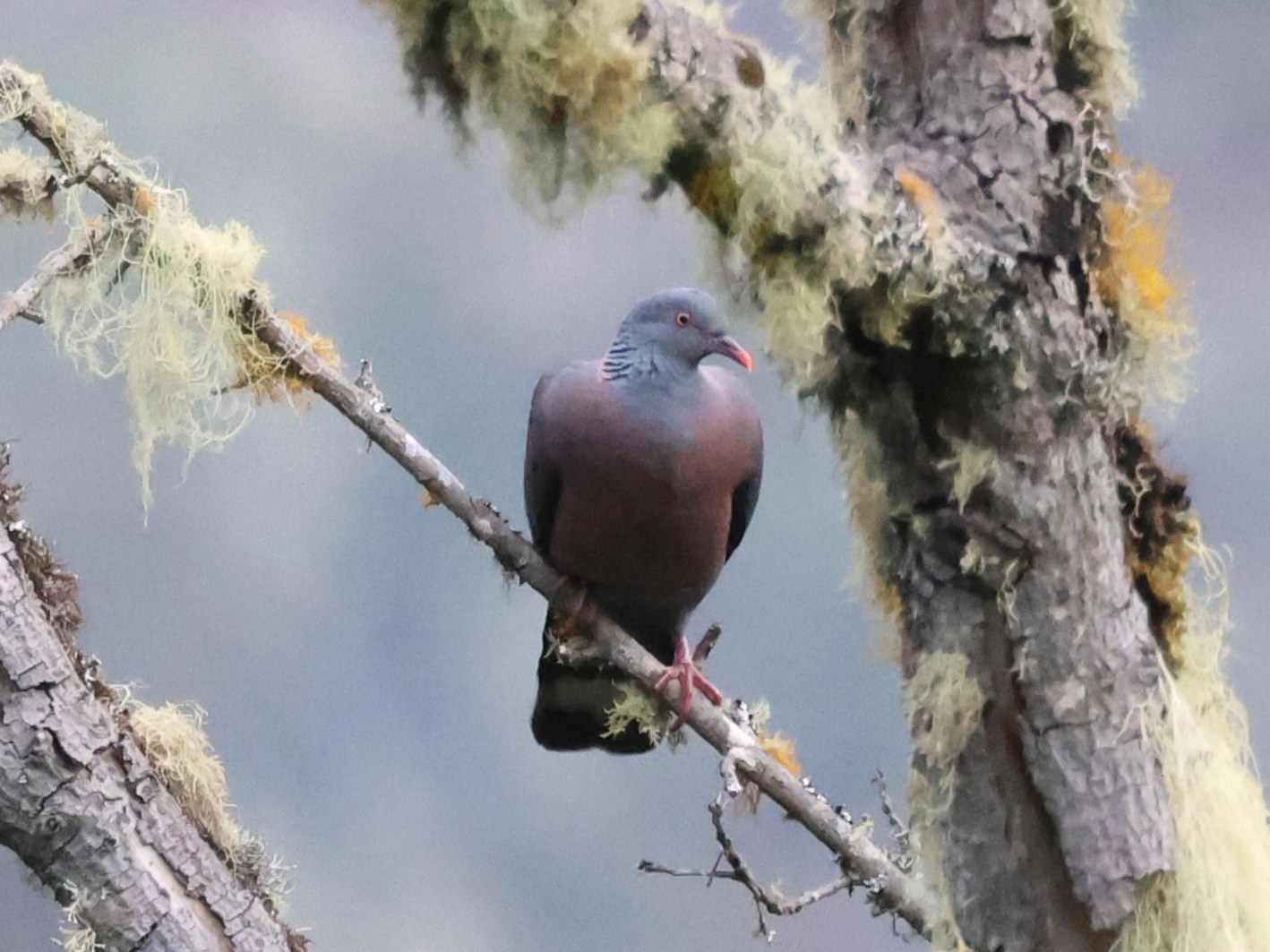
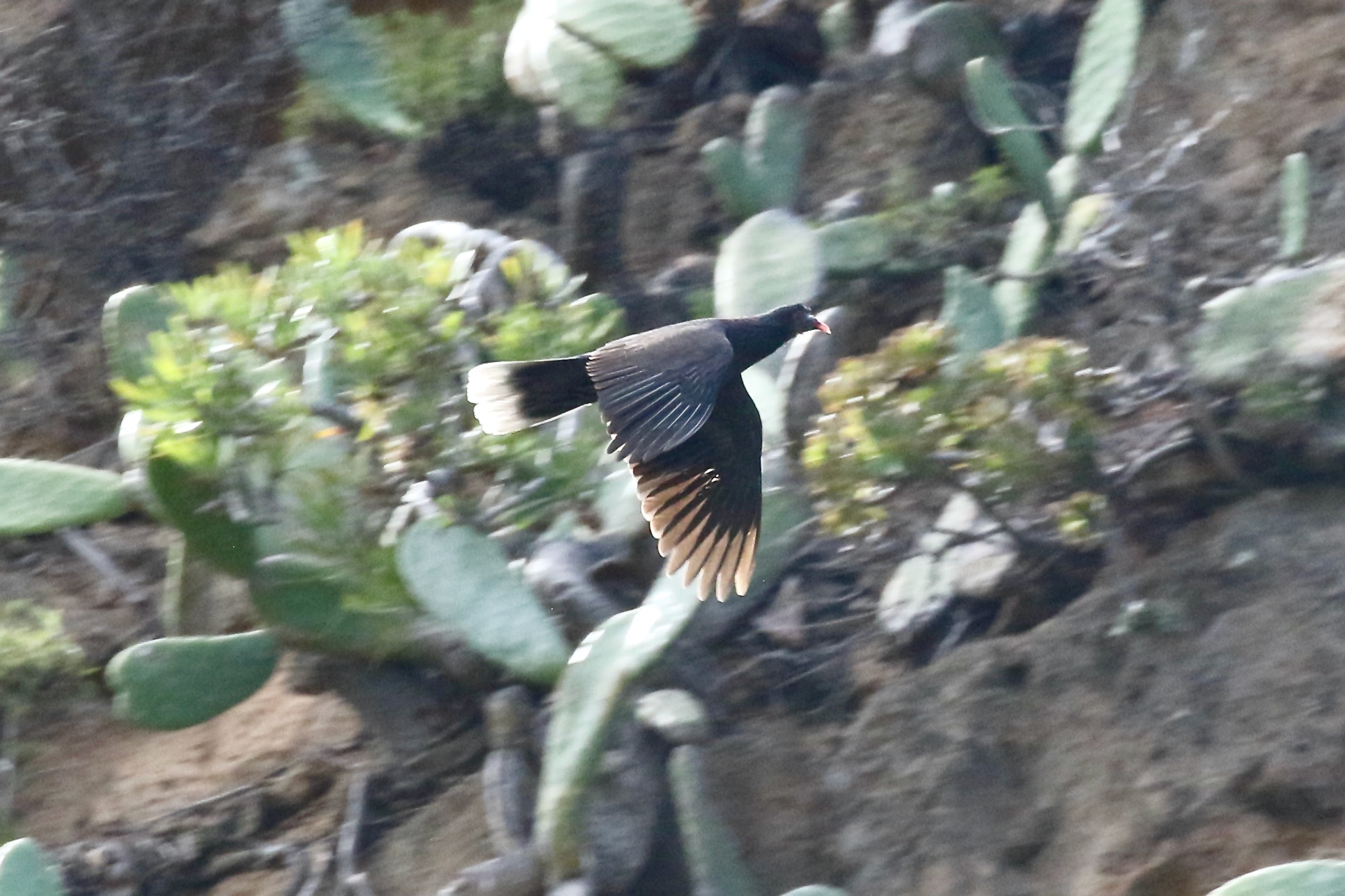
By late March these temperatures have routinely risen to the point it feels like a summer’s day in the UK. The vegetation is rapidly growing and flowering, and butterflies are increasing in number, while birds are singing and showing readily. Our base near the centre of the north coast will allow us to easily access the laurel forests of the island, where Canary Brimstone Gonepteryx cleobule is resident, as well as two endemic birds, Bolle’s Pigeon Columba bollii and White-tailed Laurel Pigeon Columba junoniae.

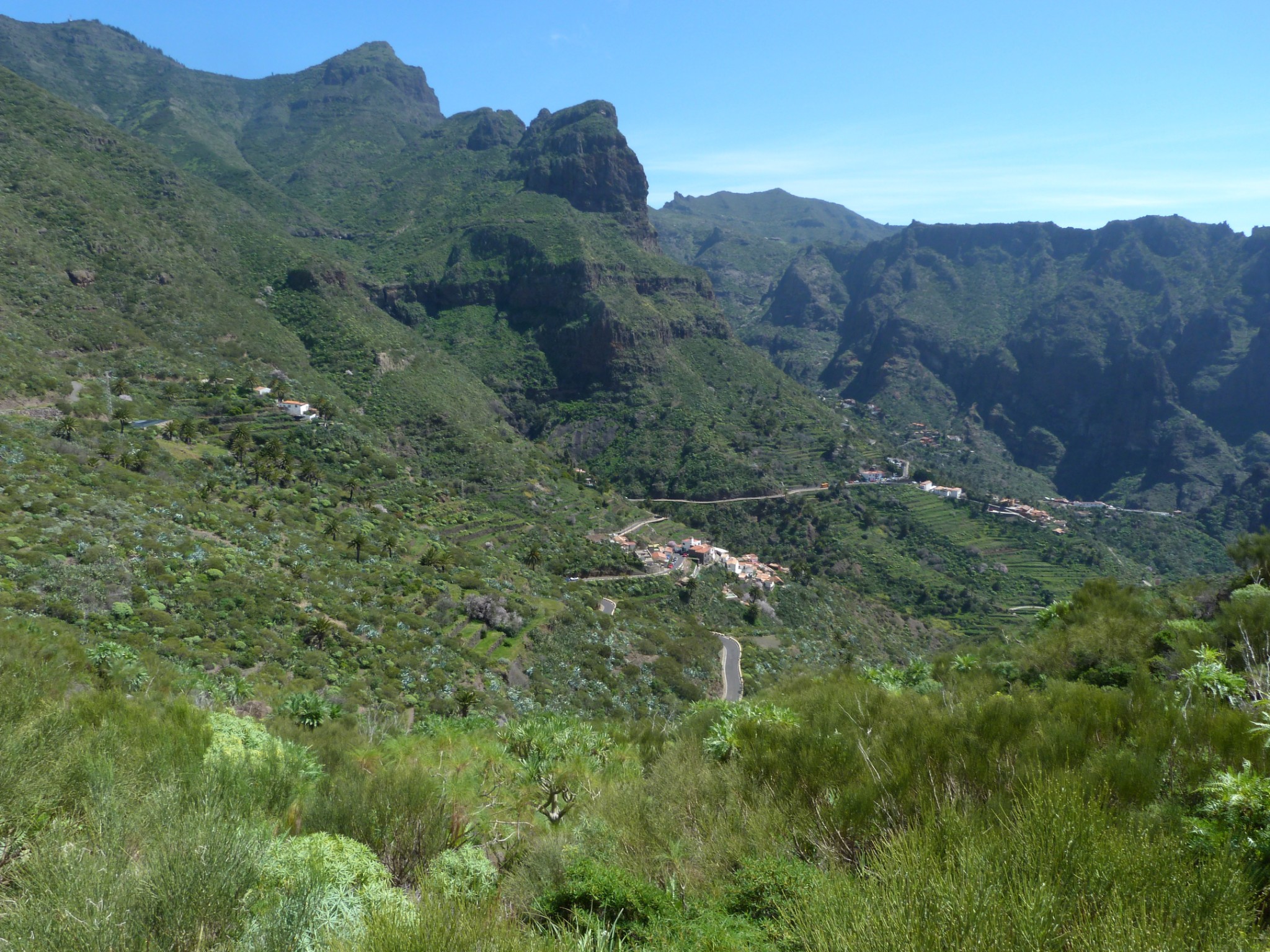
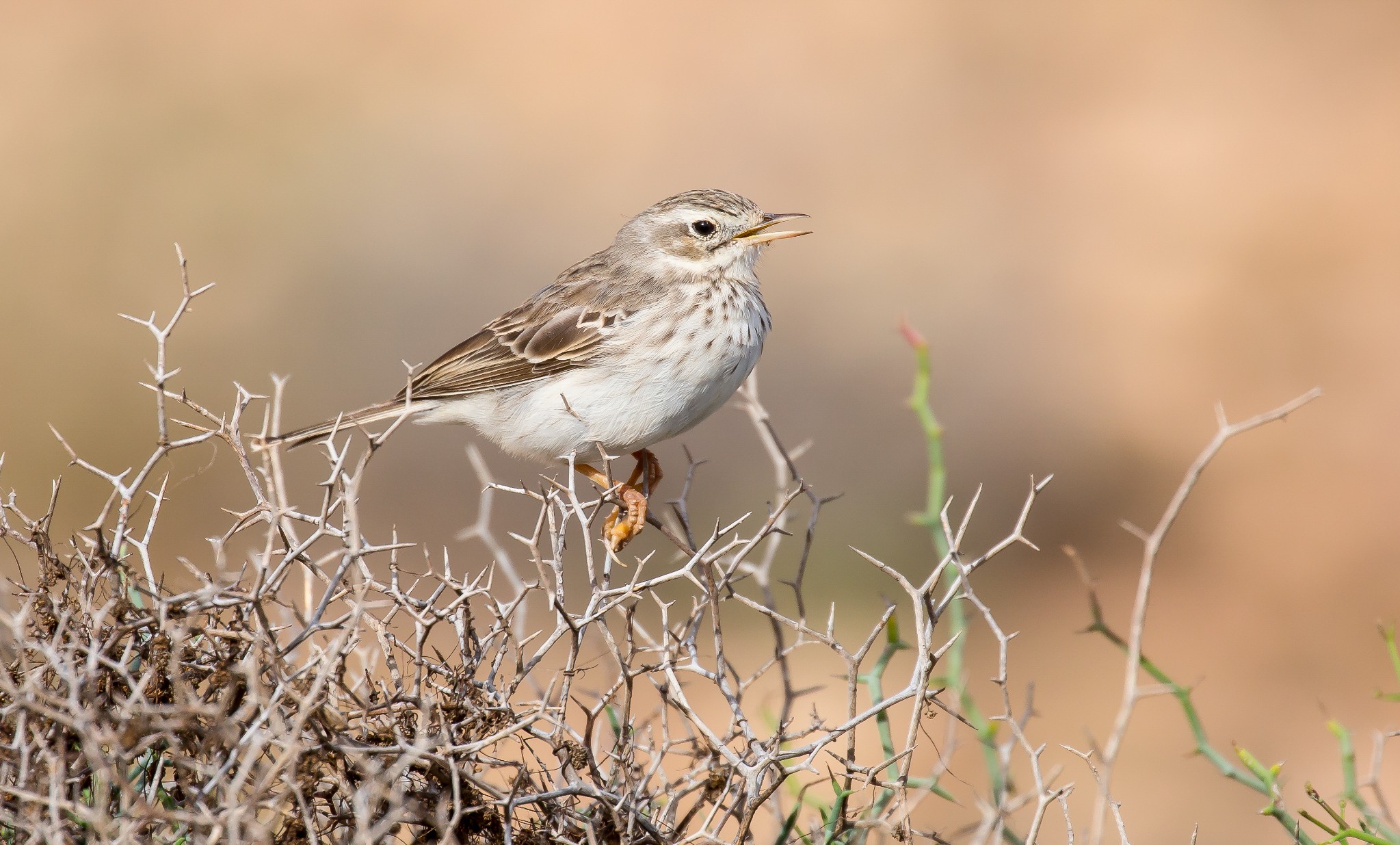
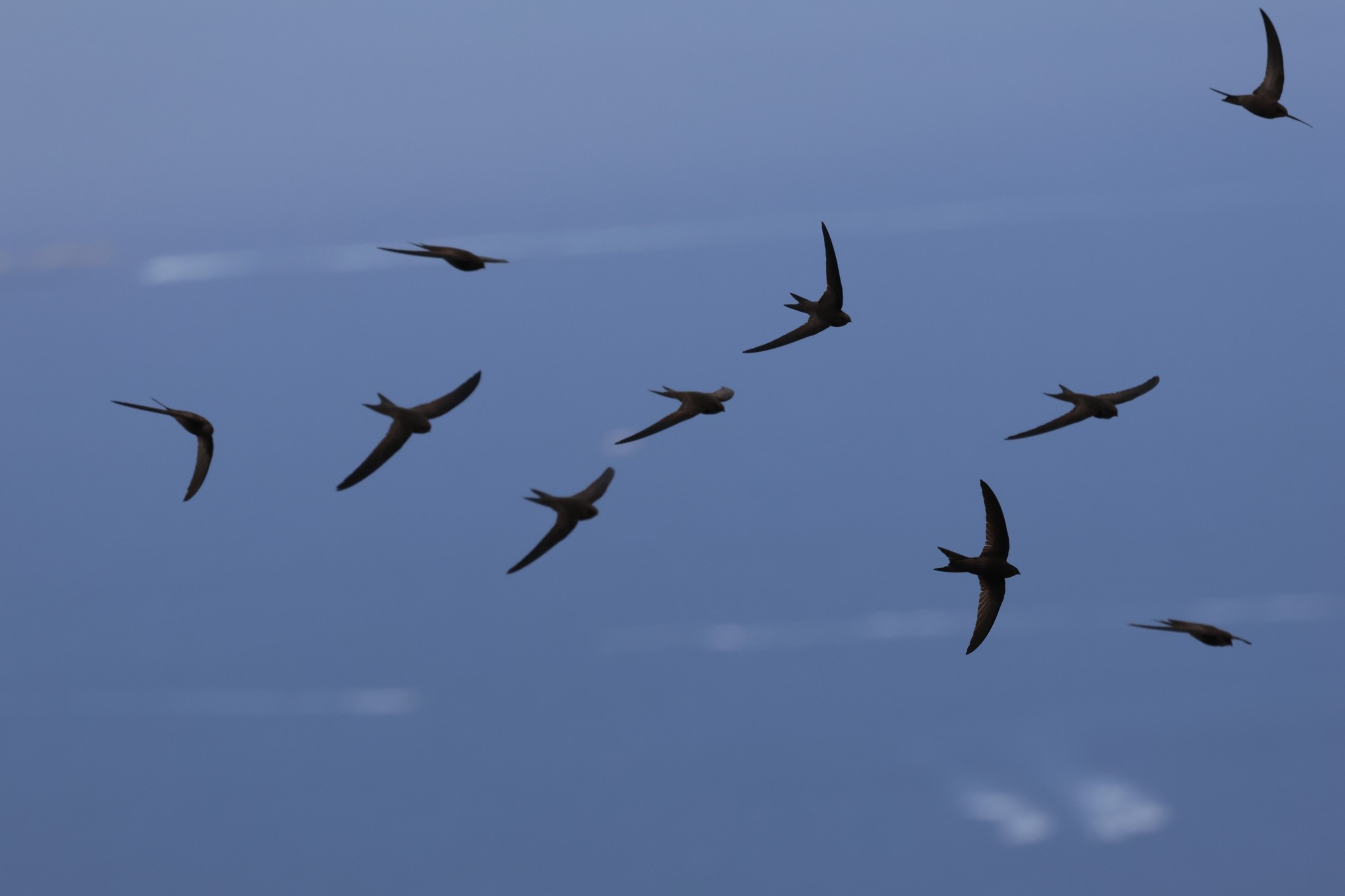
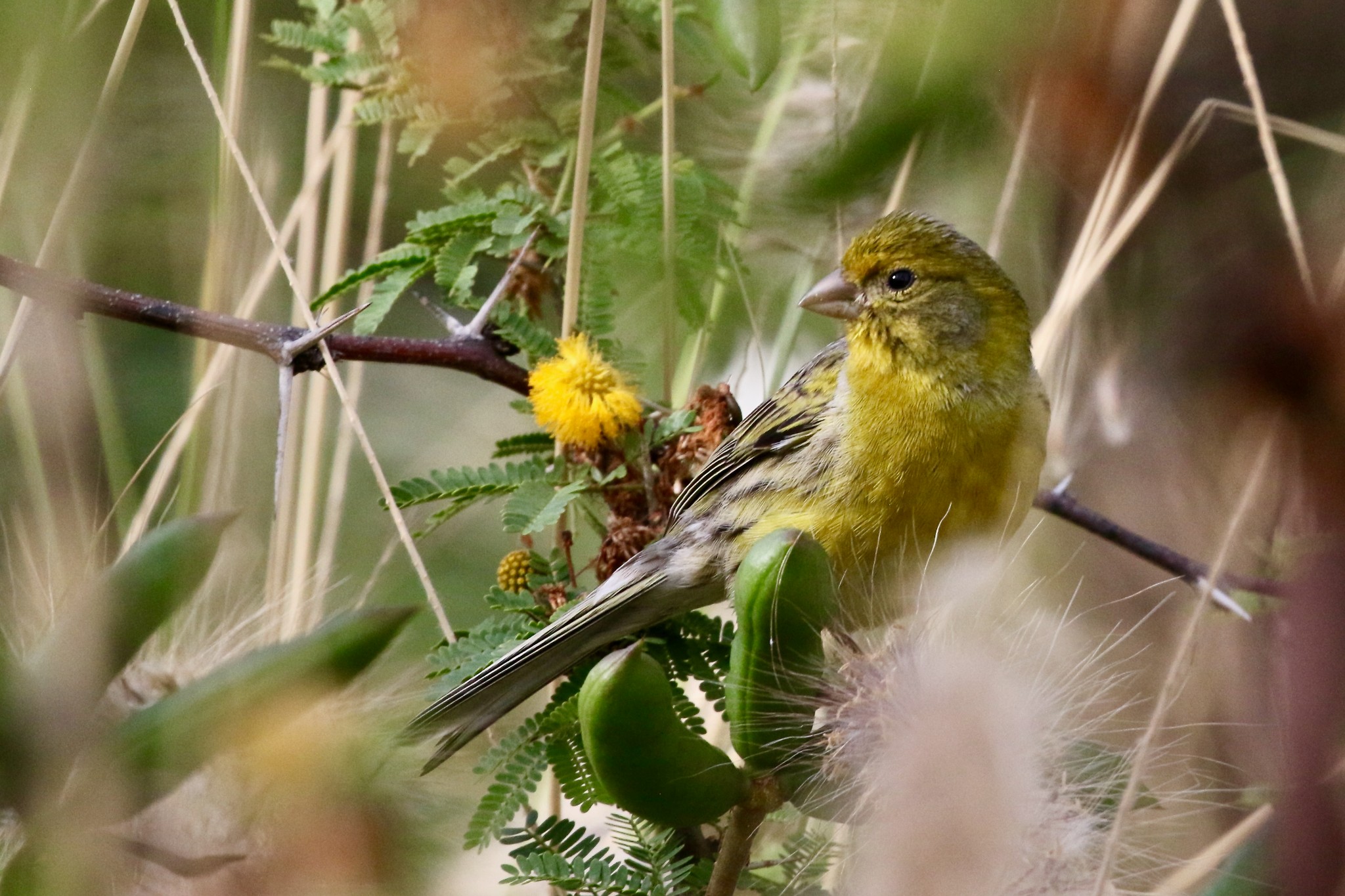
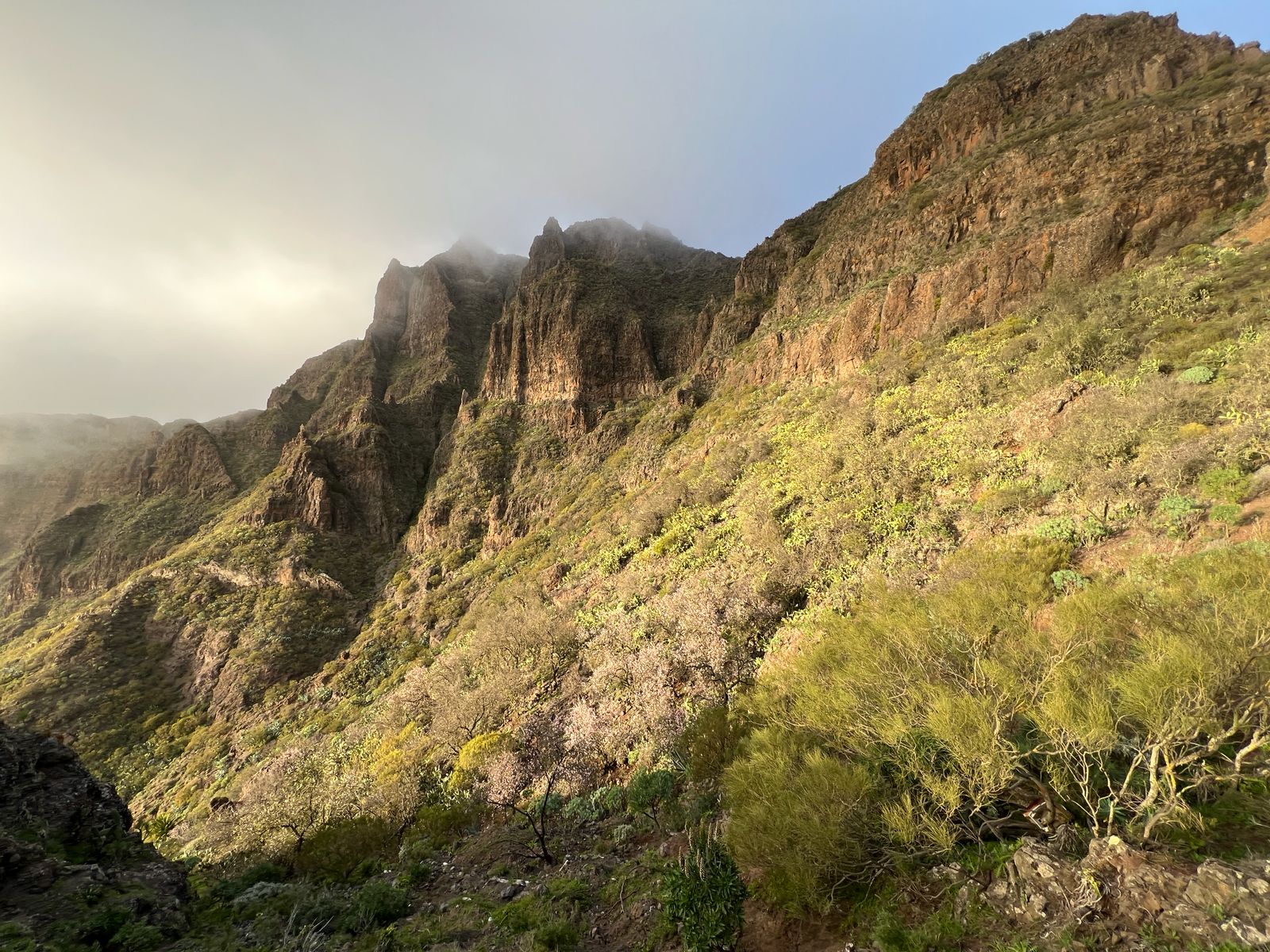
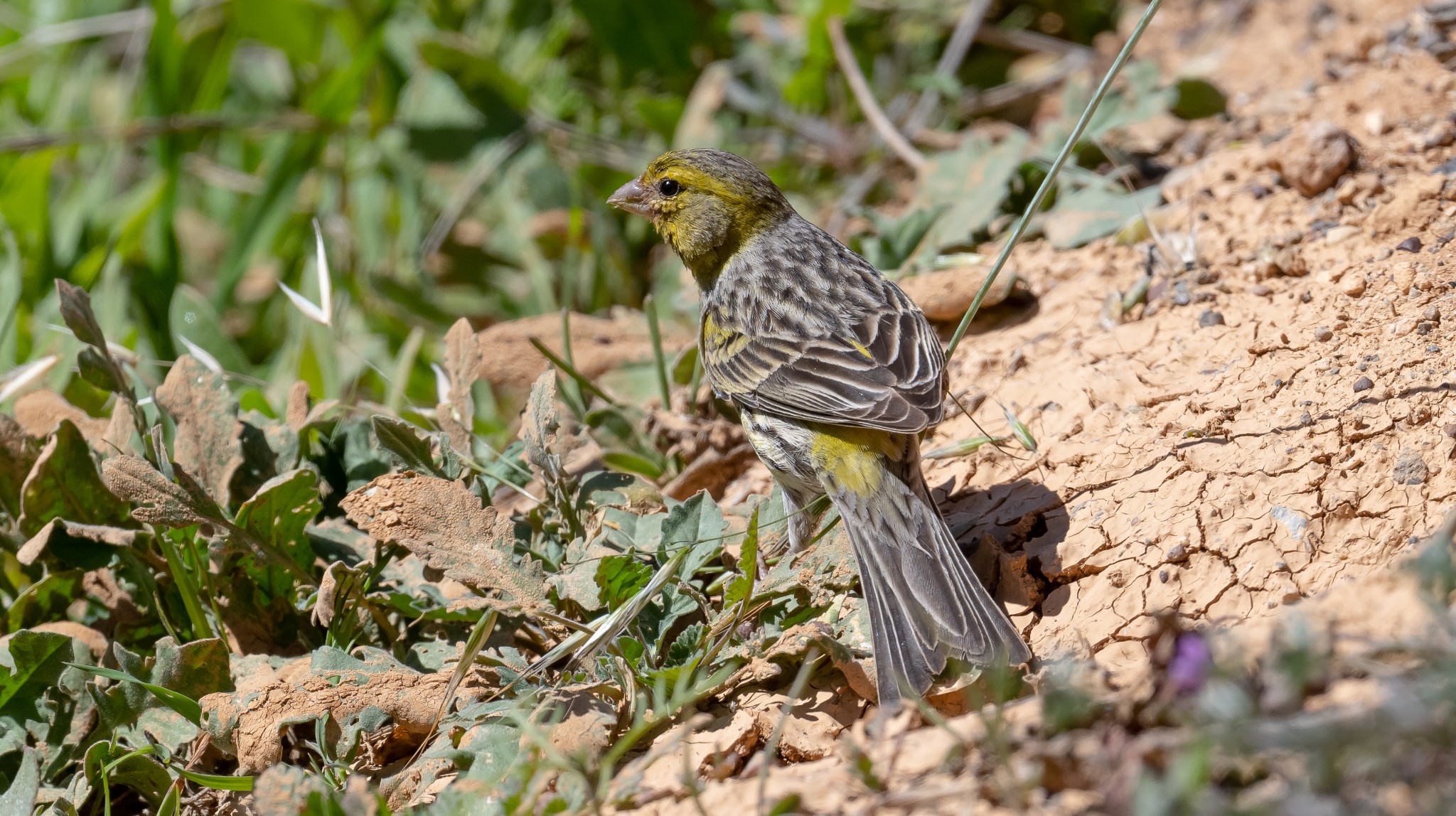
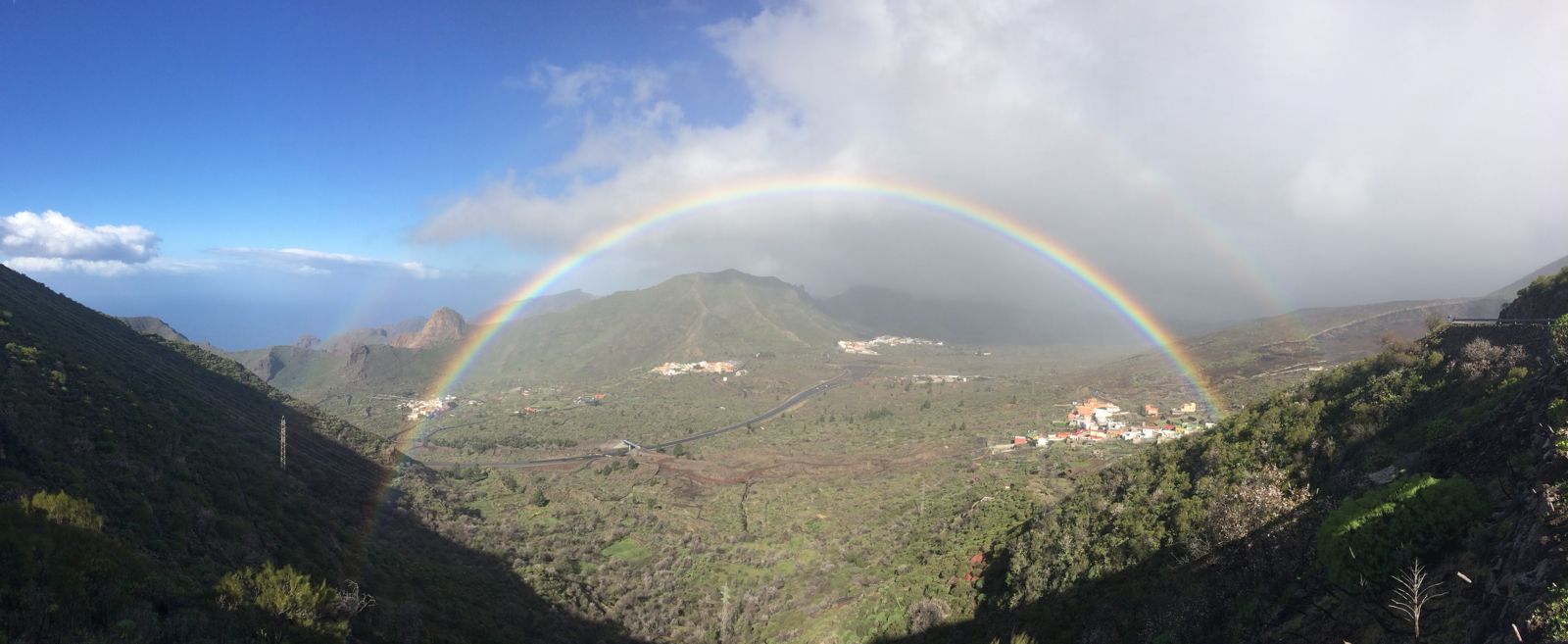
Rich in Macronesian endemics, Tenerife has a lot to offer a visiting birder besides those two unique pigeons. From its rocky Atlantic coastline, through deep gorges, to the volcanic cone of Pico de Teide rising to over 10,000 feet, the island hosts a very good variety of Canary Island specialities. Frequently encountered are the ubiquitous Atlantic Canary, Plain Swifts swirling overhead, smart African Blue Tits of the race teneriffae, and in dry, rocky areas, the characterful Berthelot’s Pipit.

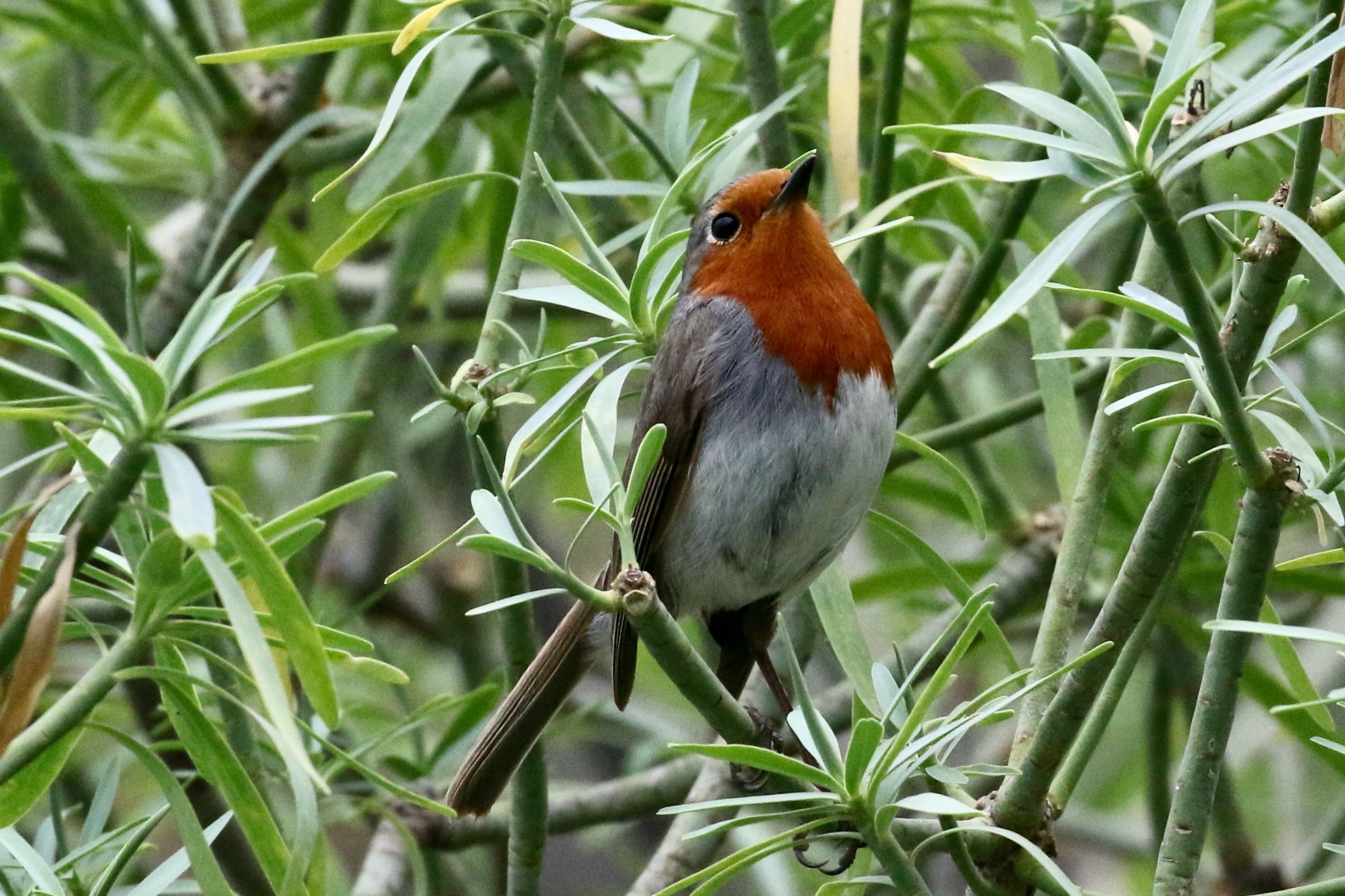
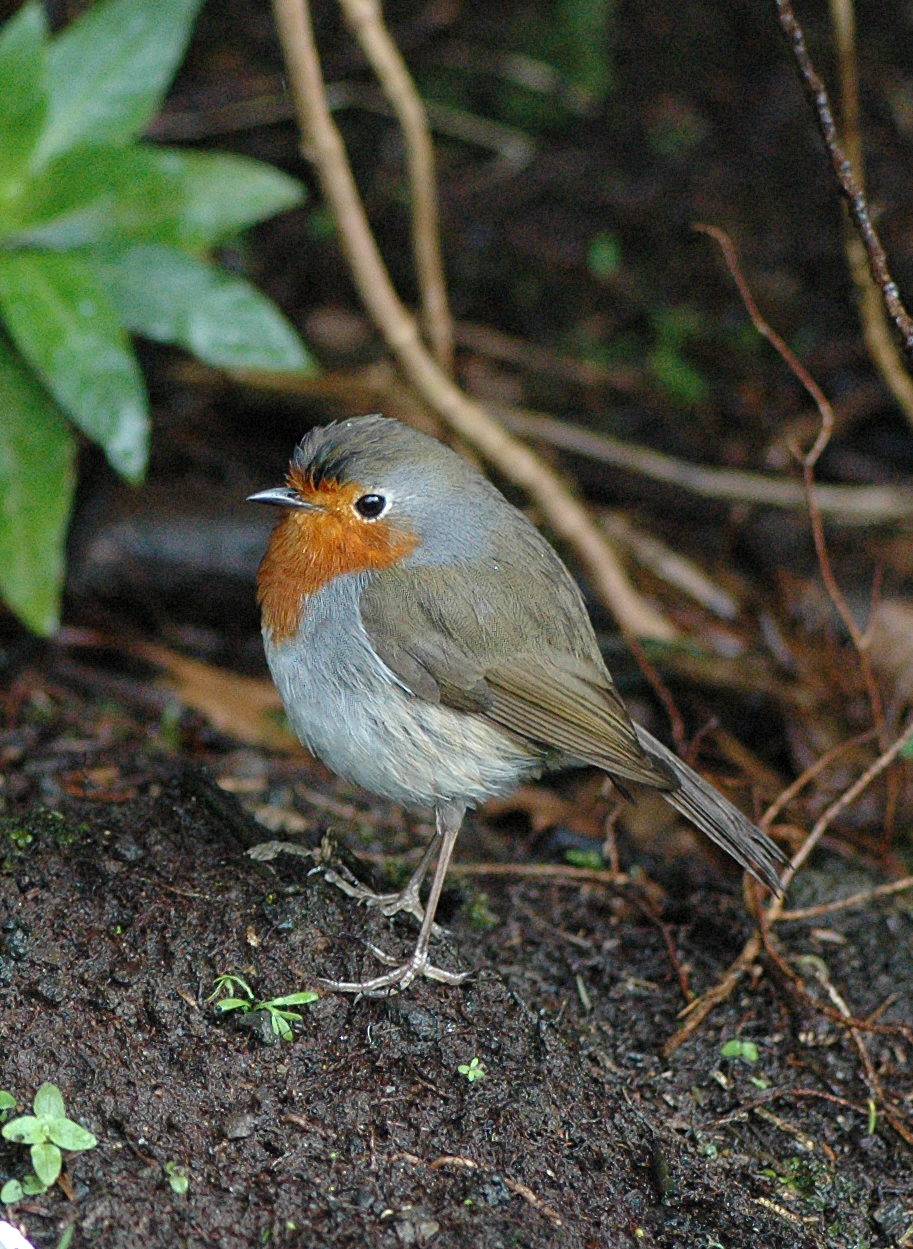
The Tenerife Blue Chaffinch is a stunning species that favours the Canary Pine forests of the central plateau and slopes of Pico de Teide, where we will also look for Canary Island Chaffinch. The island race of Goldcrest teneriffae (aka ‘Tenerife Kinglet’) is regularly found in these forests; the distinct canariensis race of Great Spotted Woodpecker, with a population of just a few hundred pairs, is restricted to the pine forests on the slopes of Pico de Teide. Also in the north, we will find the superbus ‘Tenerife Robin’, another distinct subspecies with reduced red breast, extensive grey surround, obvious pale eye ring, white belly and quite different song, and one that has also been mooted lately as a worthy of being considered a distinct species in its own right.

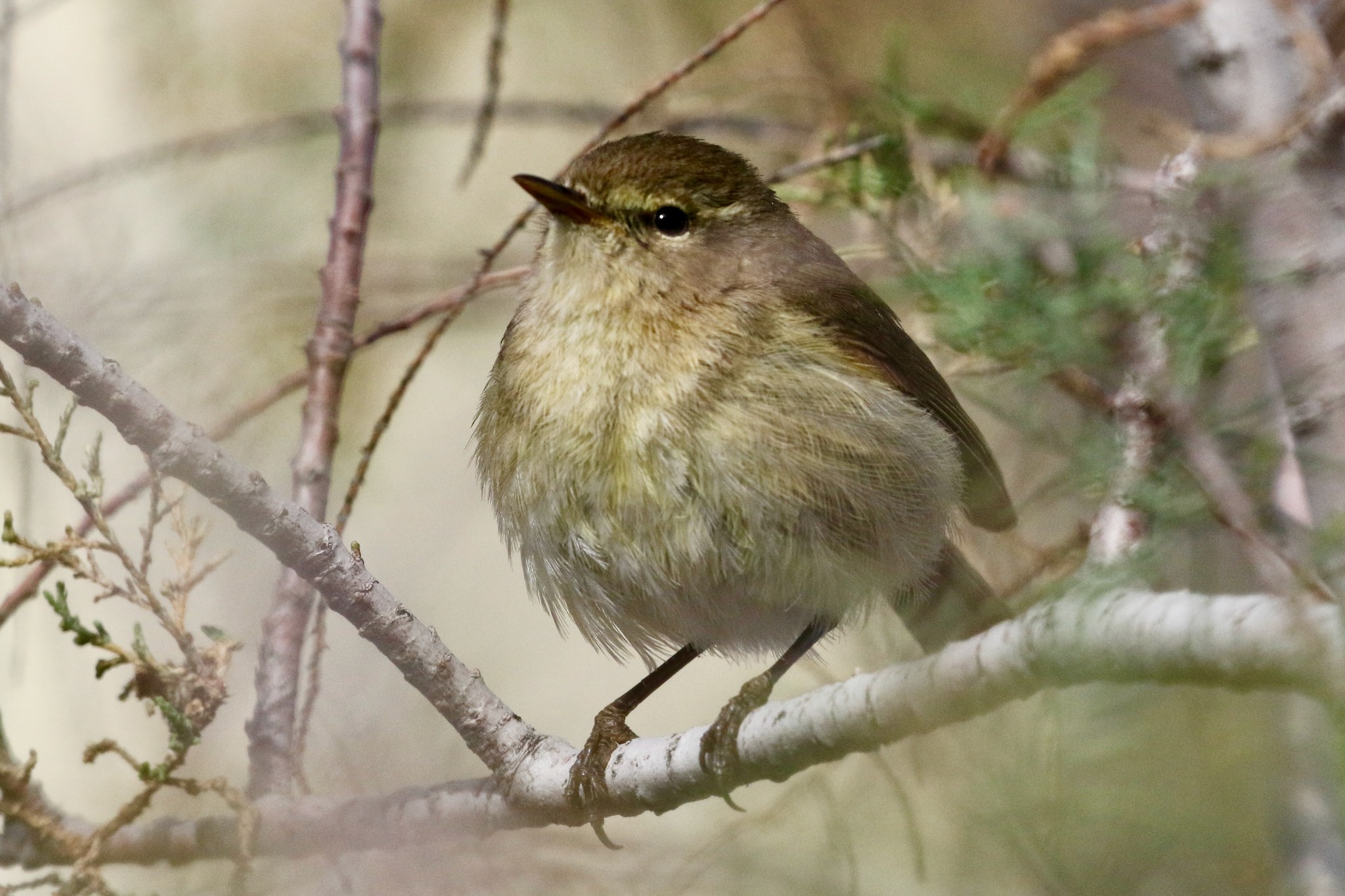
Canary Islands Chiffchaff is a key endemic, but is widespread and often found singing in the gardens of our superb four-star hotel accommodation. The drier and rockier south has Euphorbia and cactus-like vegetation found on the Canary Islands and the Atlantic coast of Morocco, and it is here that we will search for Berthelot’s Pipit.

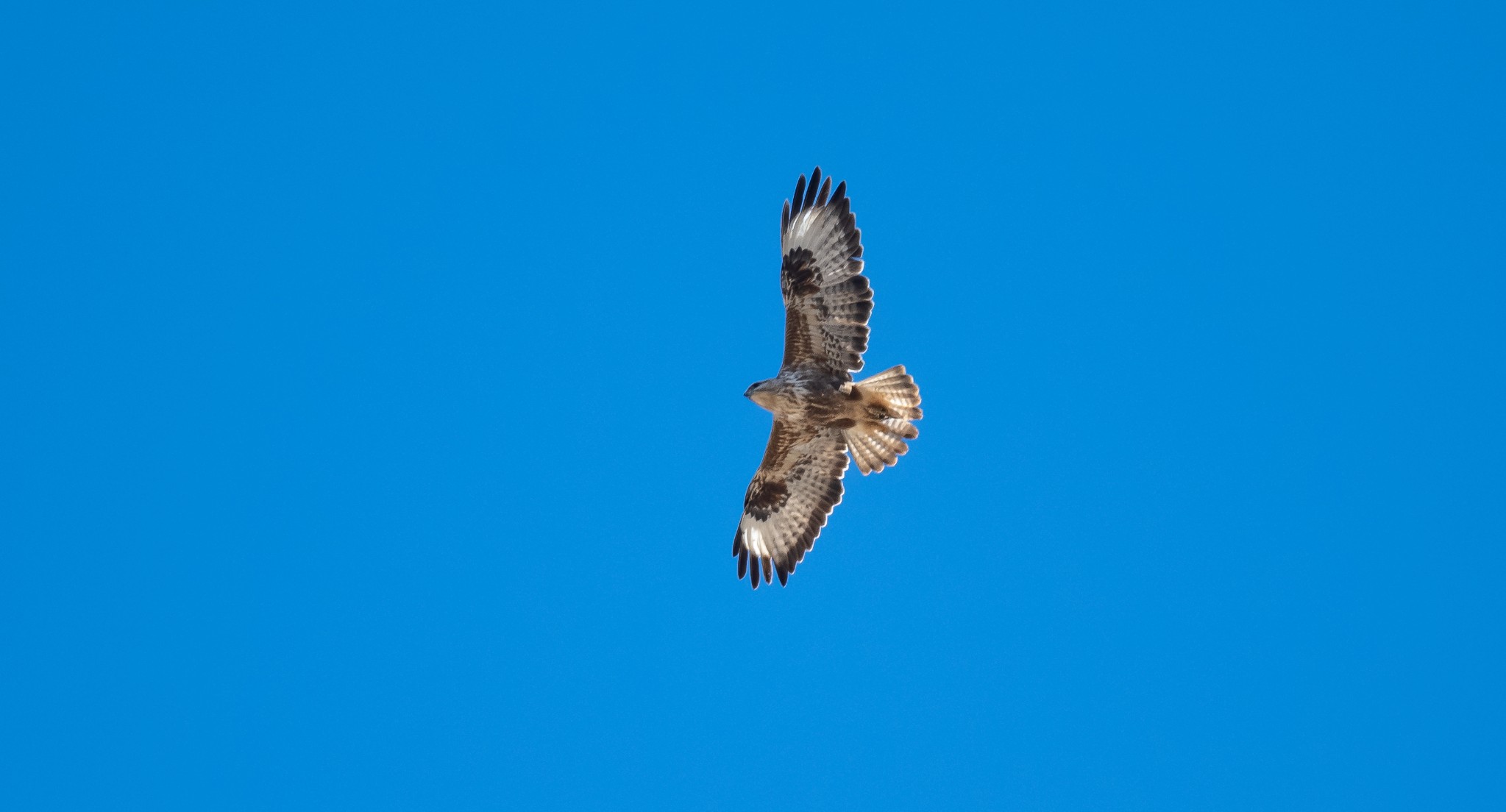
Other familiar species that boast interesting taxa endemic to the Canary Islands are Grey Wagtail (ssp. canariensis), Lesser Short-toed Lark (ssp. polatzeki), Common Buzzard (ssp. insularum), Grey Wagtail (ssp. schmitzi) and Common Blackbird (ssp. cabrerae), and we anticipate encountering some of these distinctive subspecies. Who knows which subspecies of today is the split species of tomorrow?!

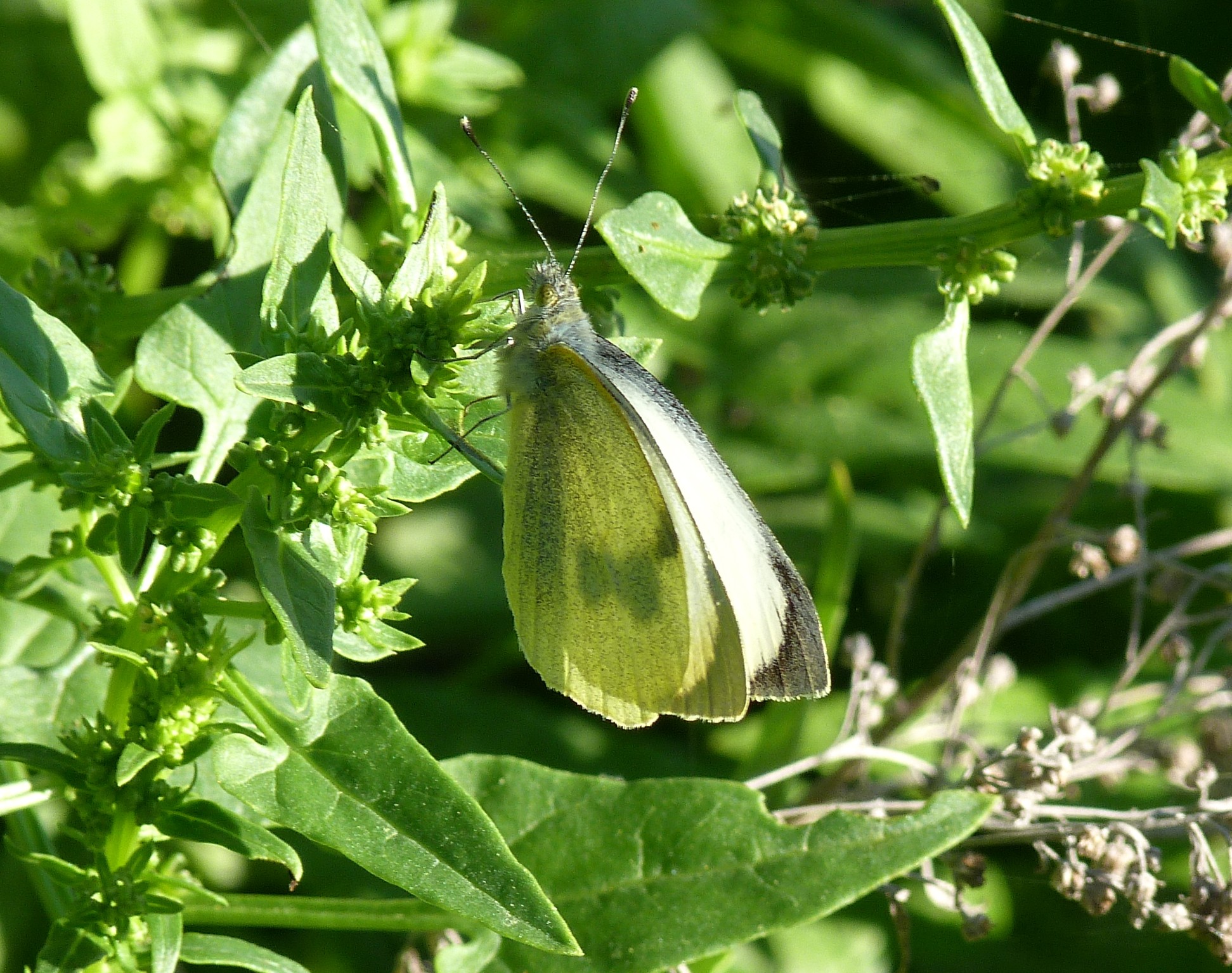
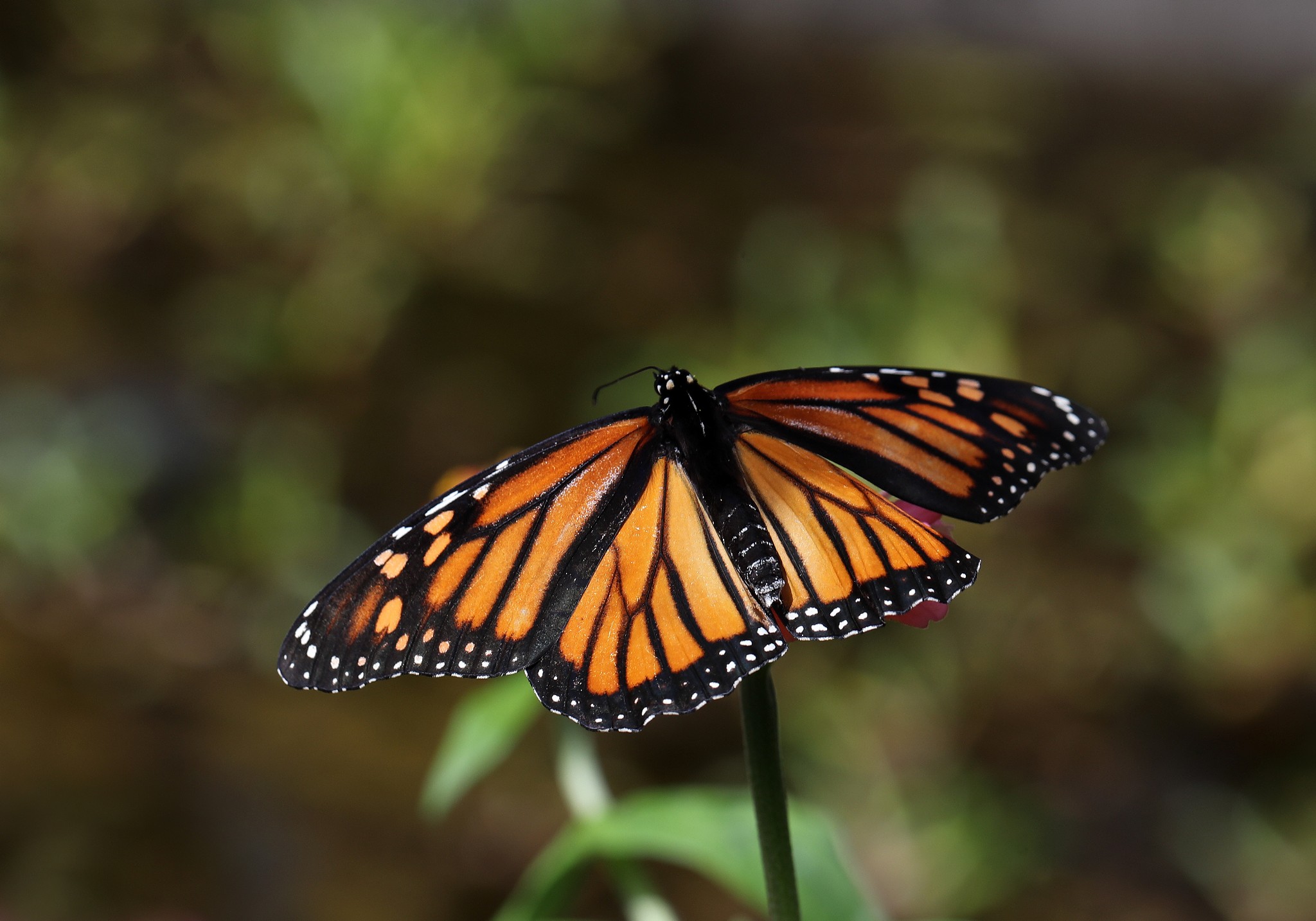
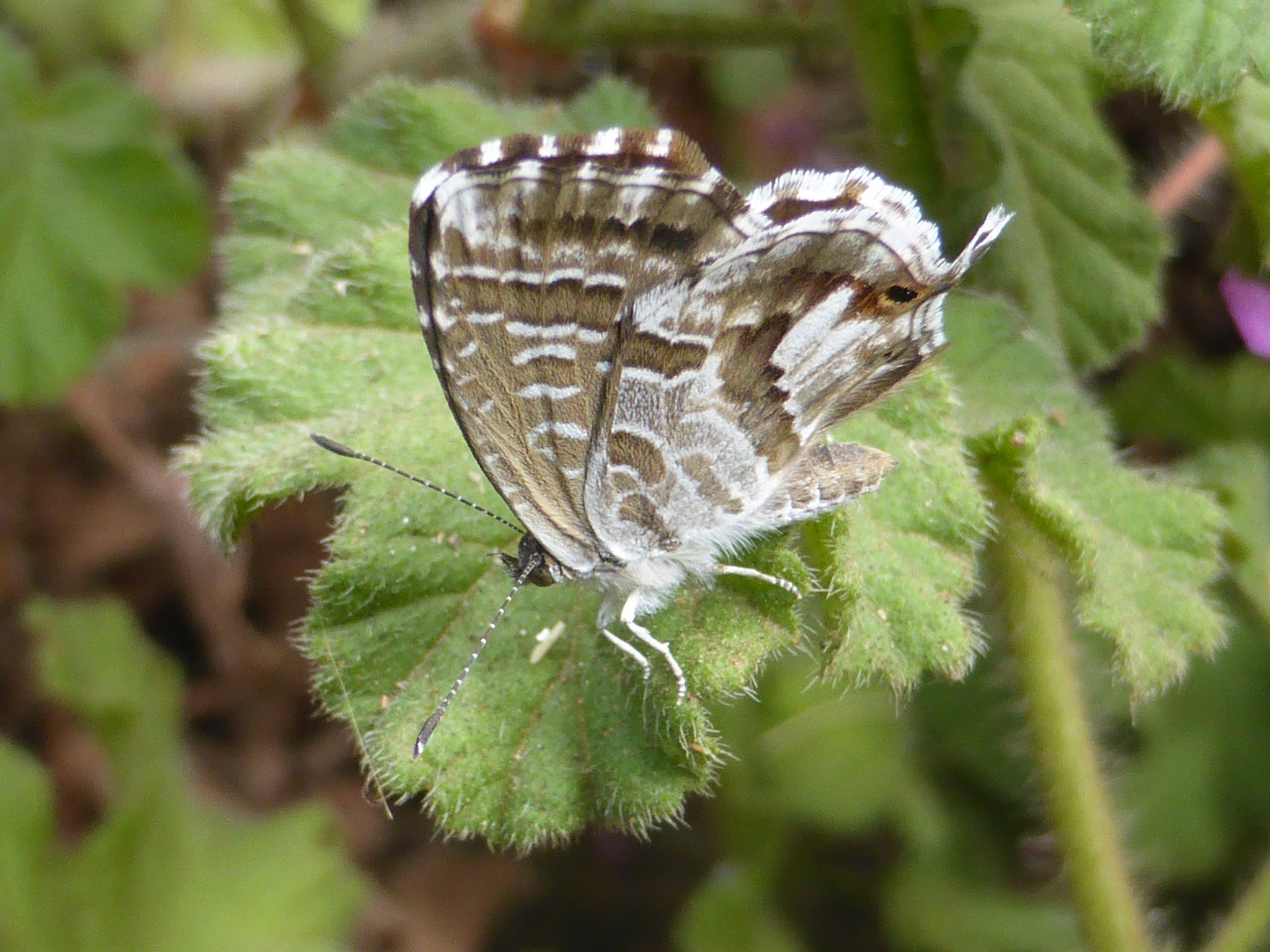
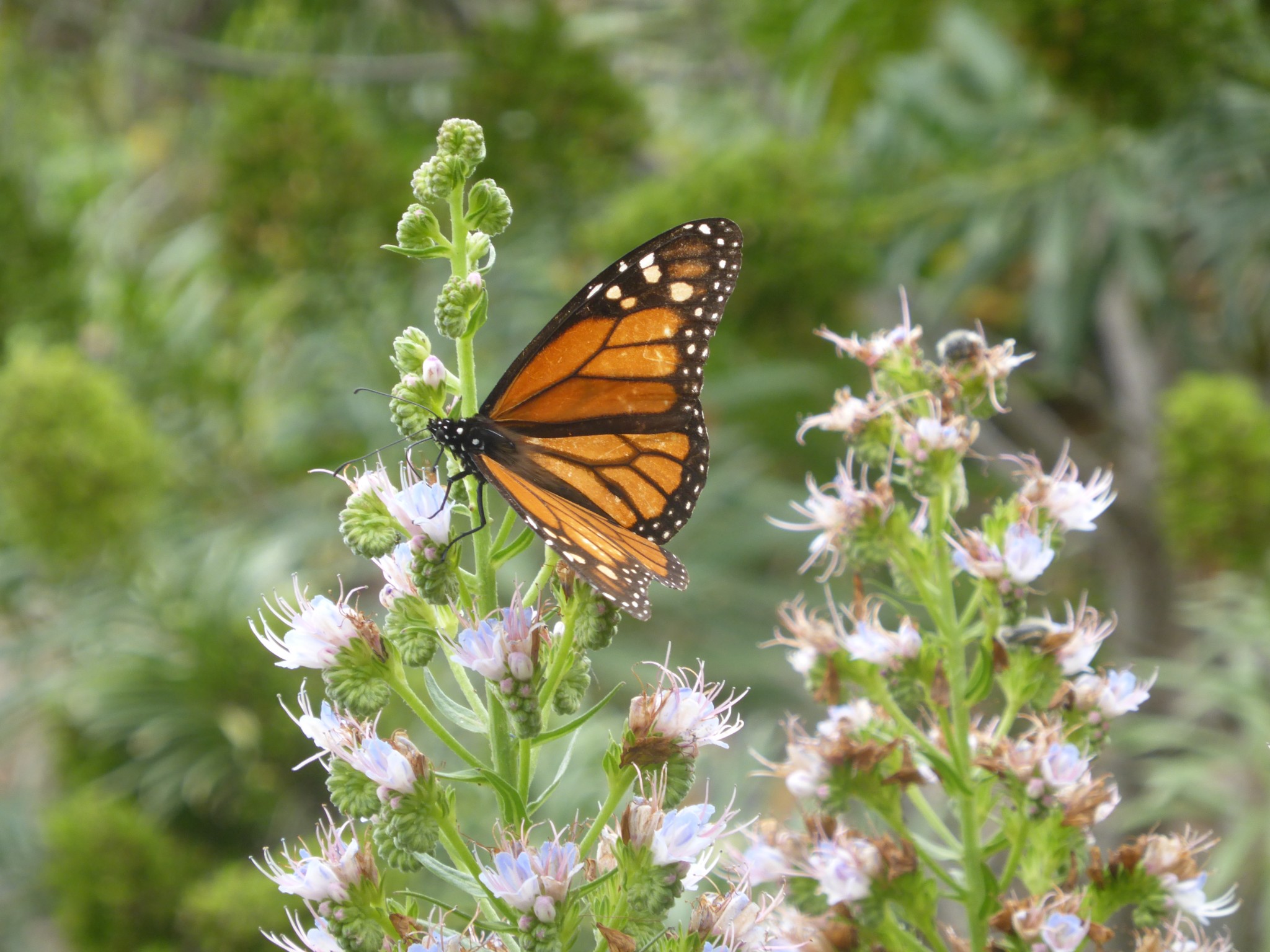
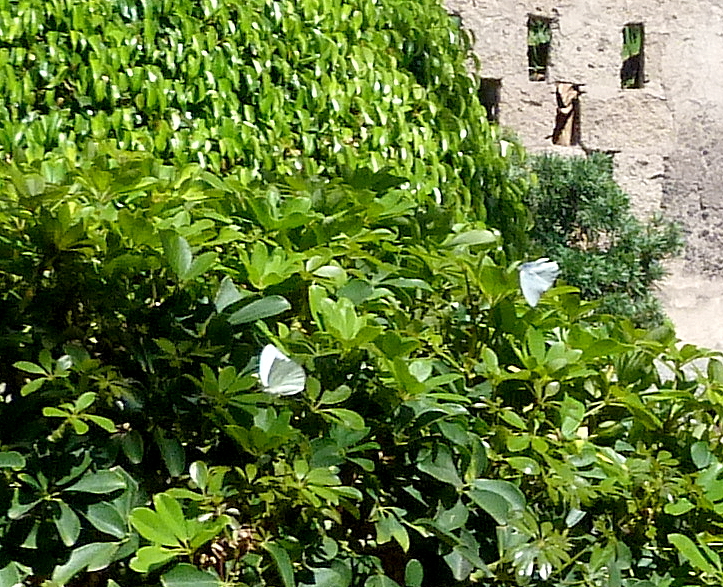
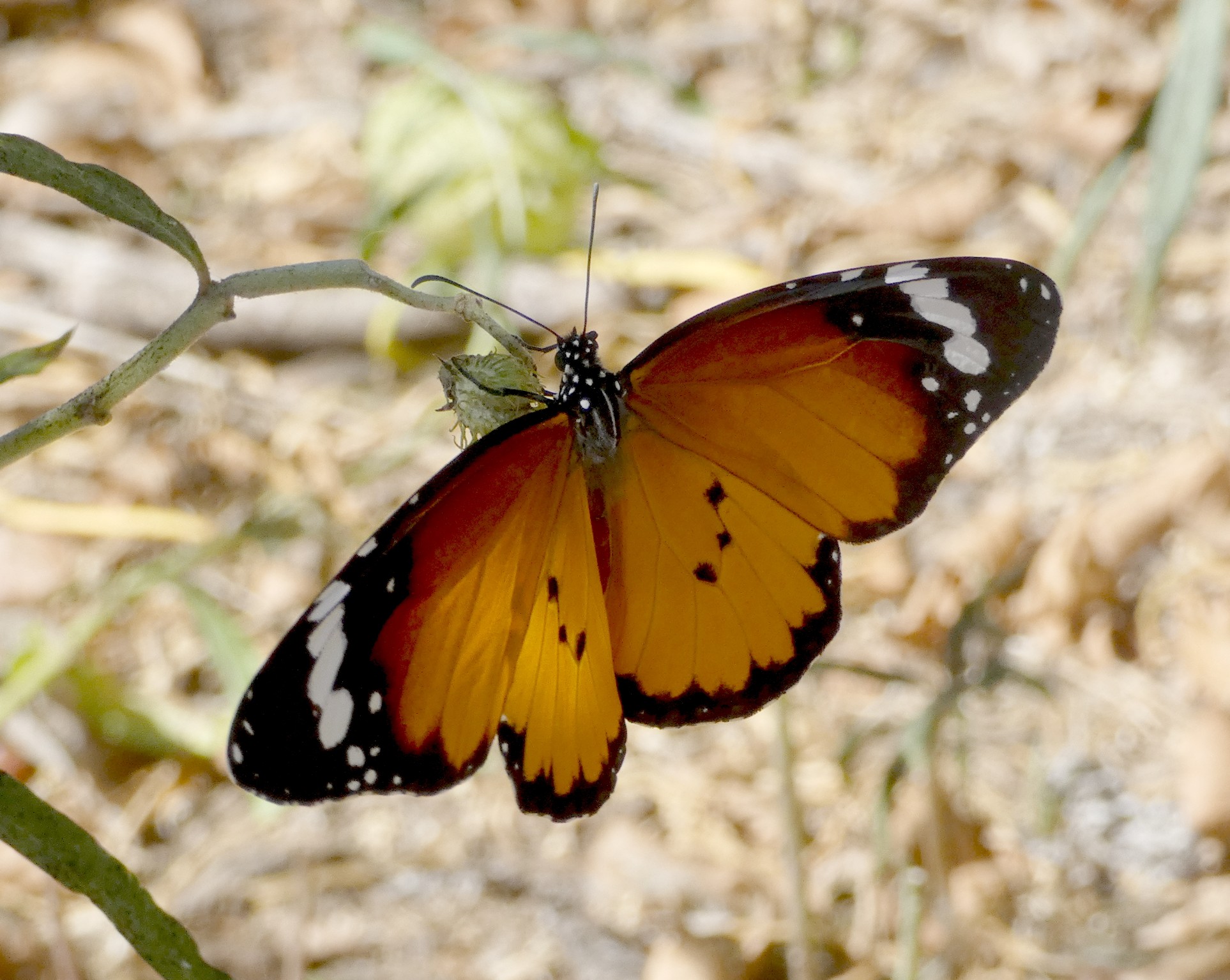
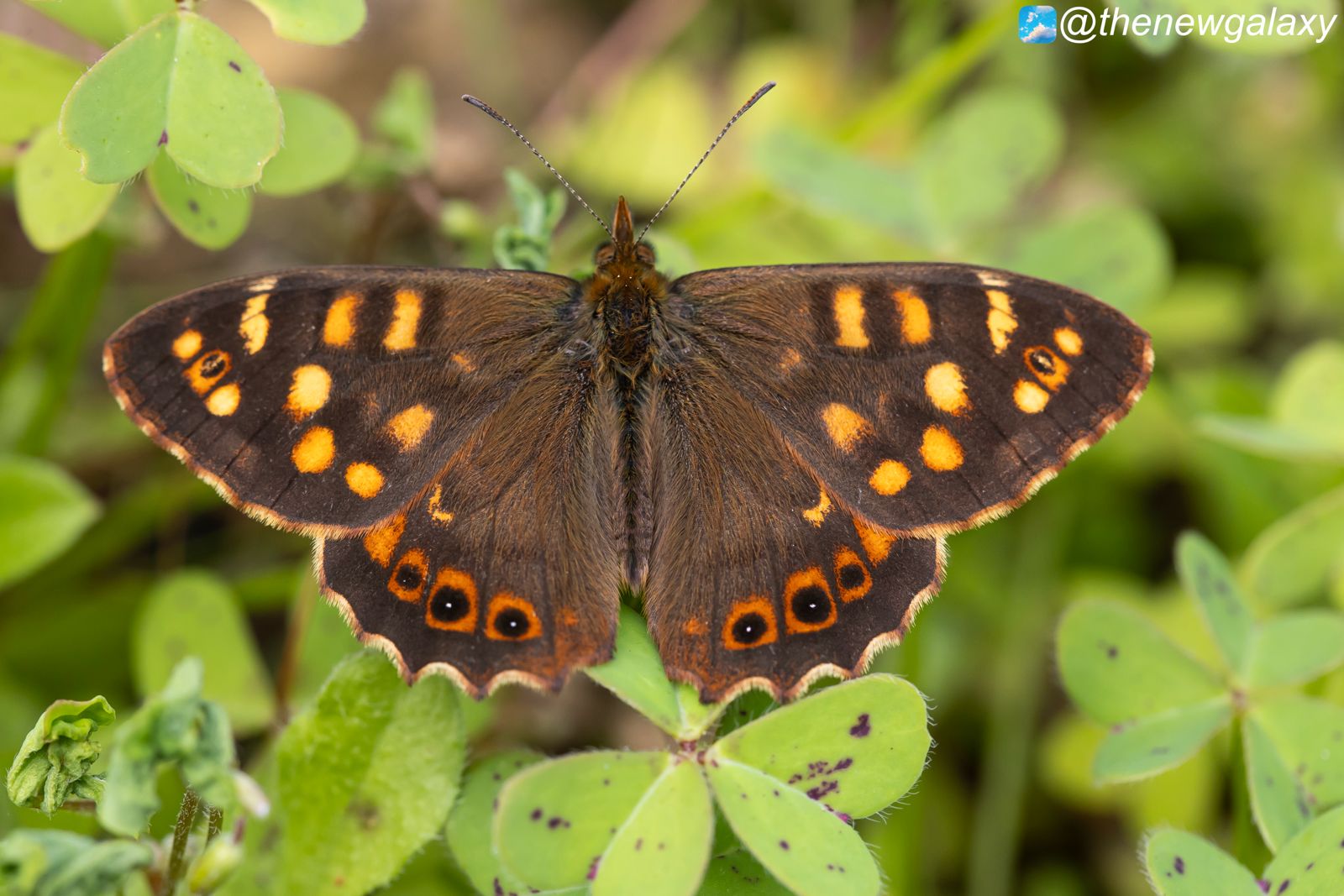
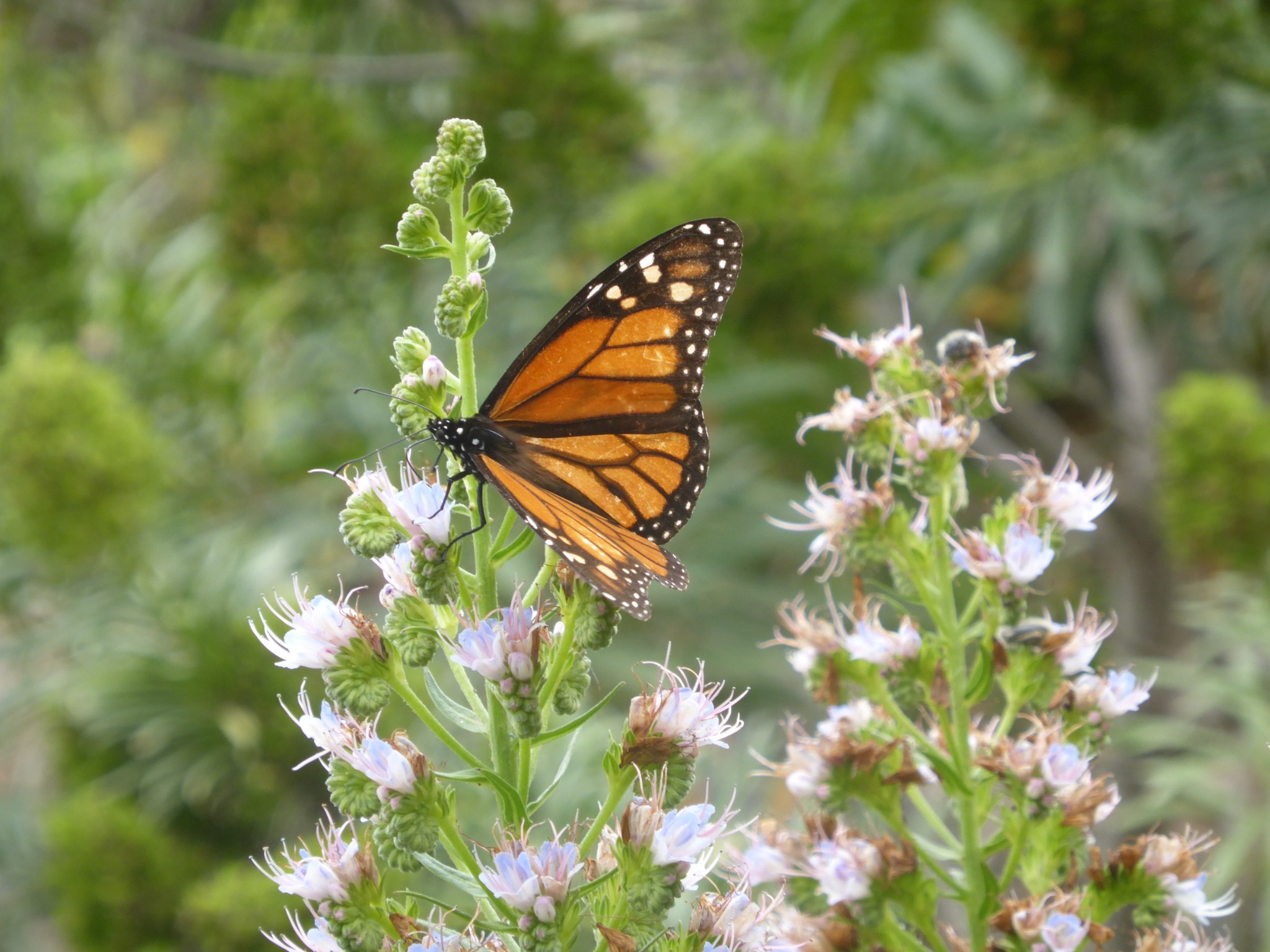
Nearer the coast and often in parks or botanic gardens, other desirable butterfly species are regularly encountered; for example Monarch Danaus plexippus, African Grass Blue Zizeeria knysna, American Painted Lady Vanessa virginiensis, and the exotic African Migrant Catopsilia florella. At practically every site, we will enjoy the company of the delightful Canary Speckled Wood Pararge xiphioides, whilst Long-tailed Blue Lampides boeticus, Geranium Bronze Cacyreus marshalli, and Bath White Pontia daplidice should also make an appearance.

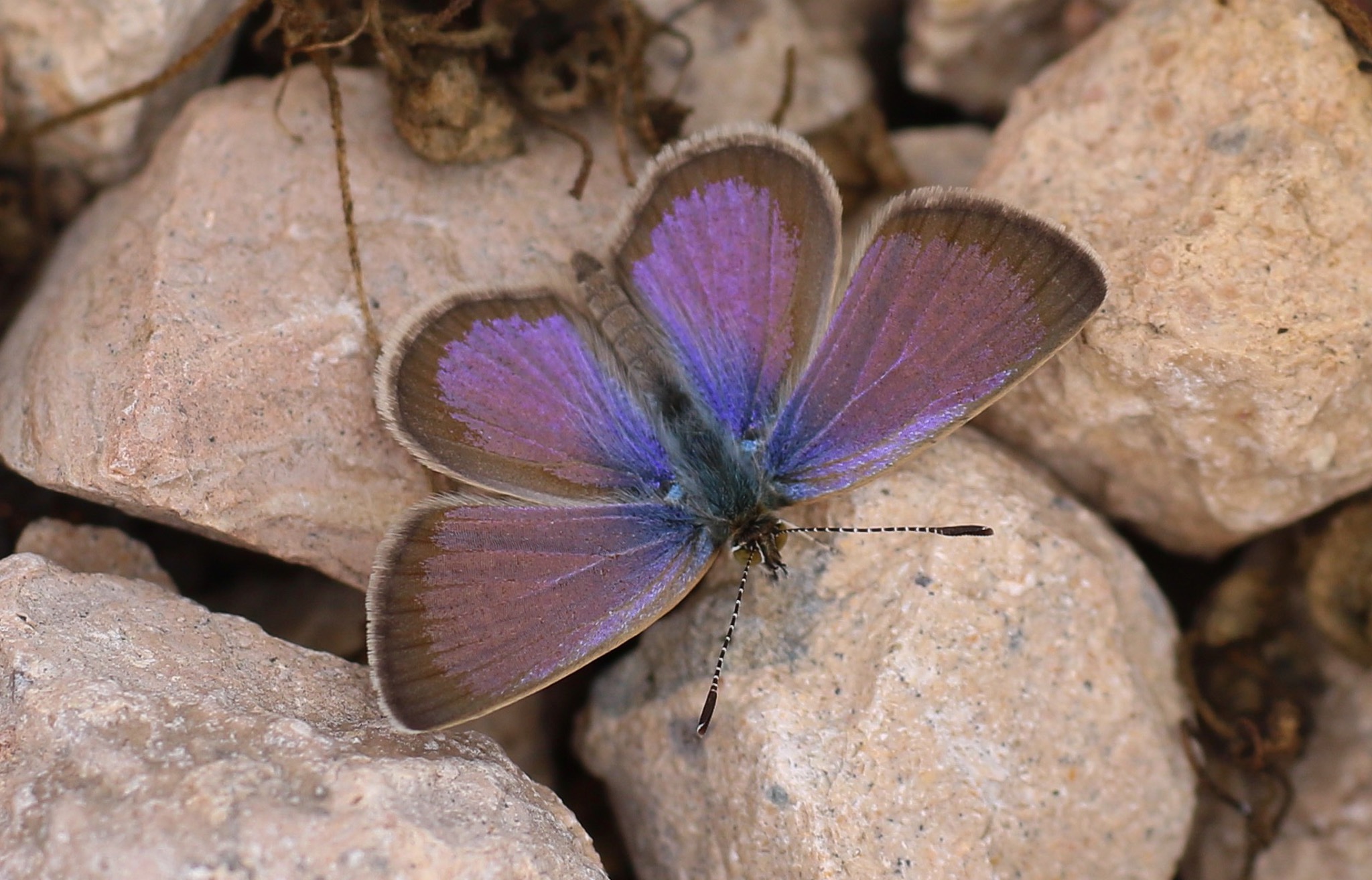
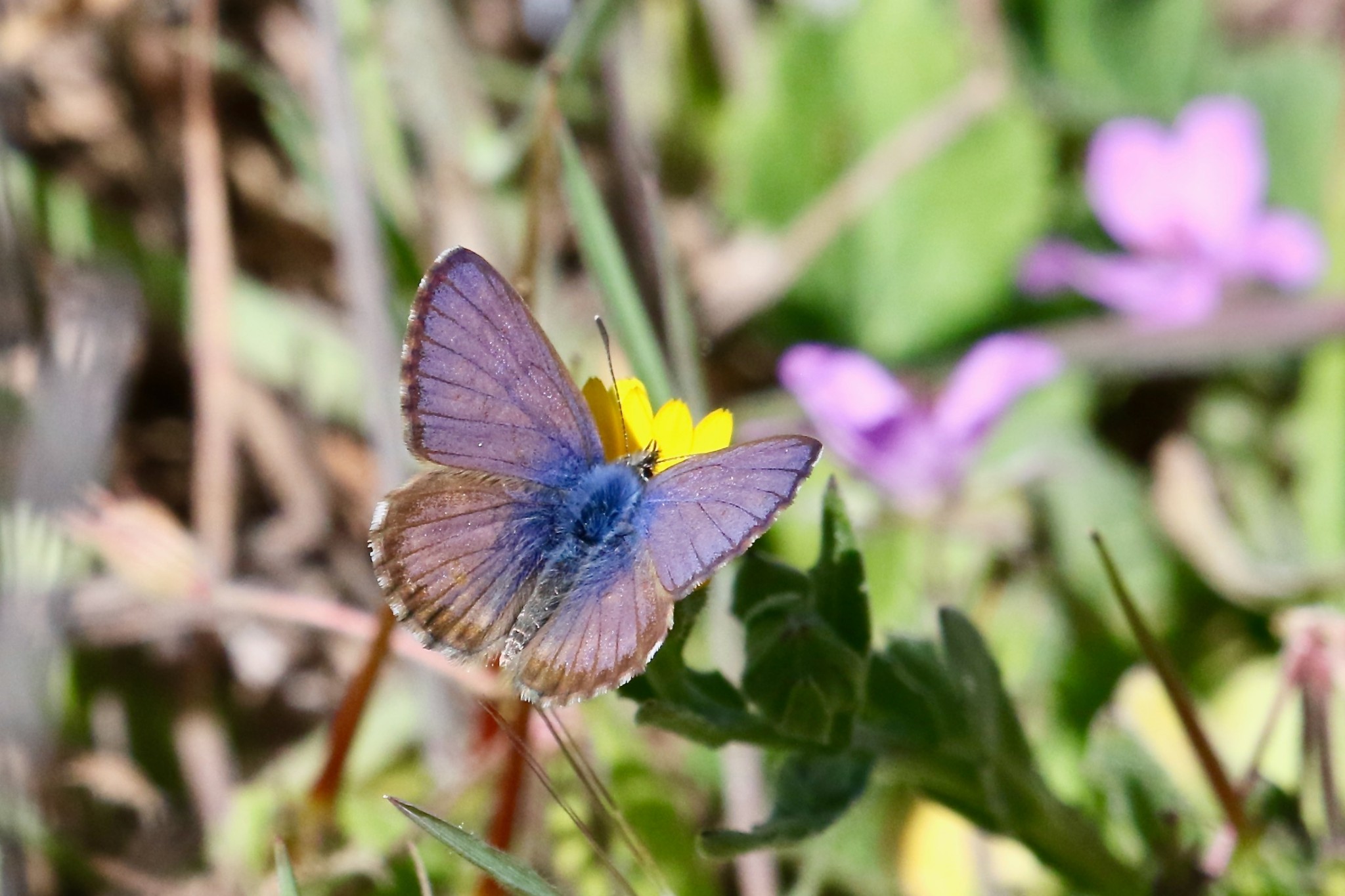
We will, of course, be searching for the special endemic Canary Blue Cyclyrius webbianus, both at lower elevations as well as at a site on the Mt Teide massif and, should we be immensely fortunate, we still hold hope we might rediscover the ongoing presence of Canary Large White Pieris cheilanthi on the island.

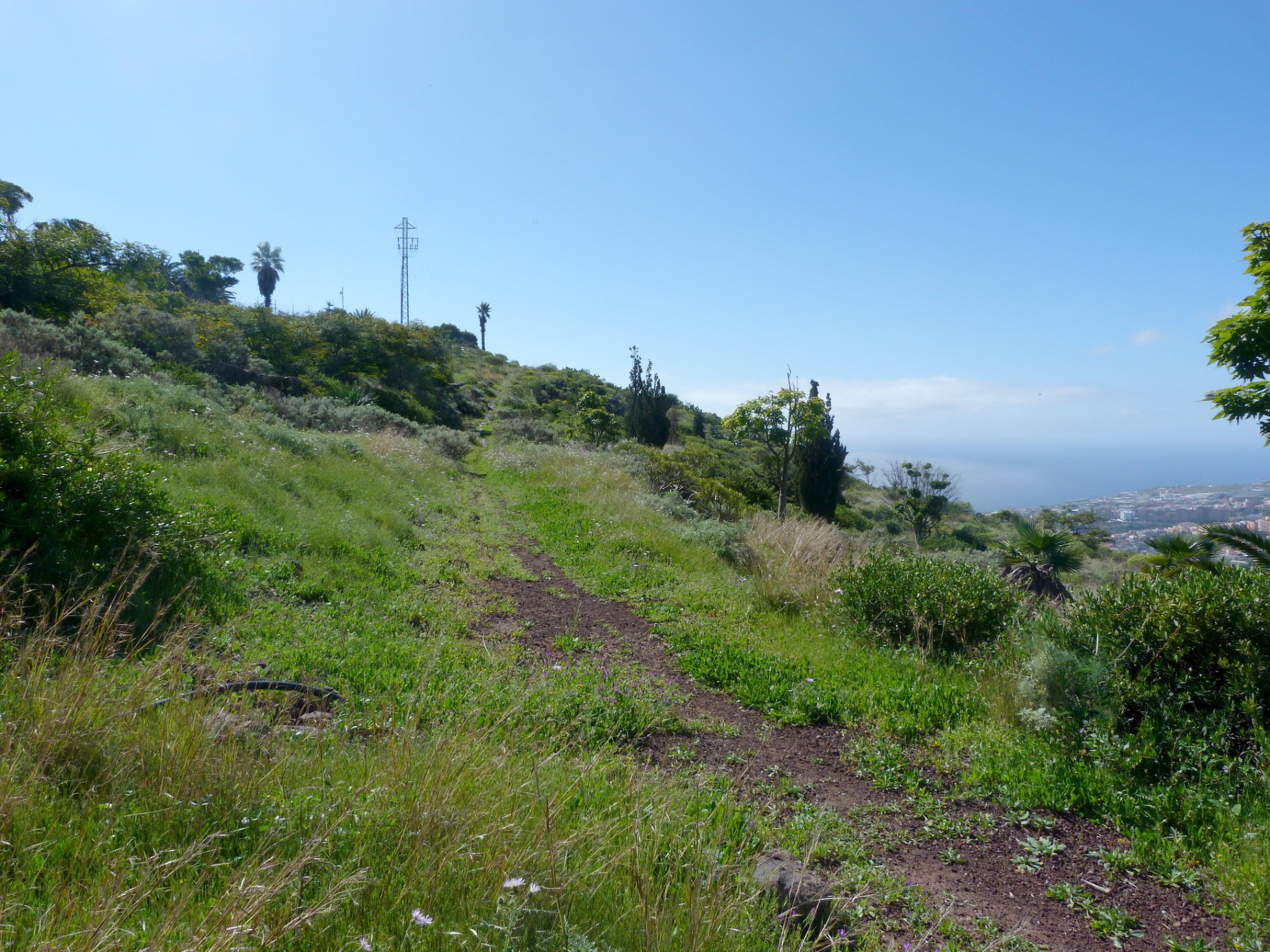
Within our five full days, we expect to be able to cover a variety of locations and habitats and if the microclimate of the islands dictates that there is cloud or rain in a particular area, we can quickly rearrange our destination to ensure that we follow the sun which, at the end of a long British winter, is a welcome pleasure.

Entry to any parks and botanic gardens are included in the price and are interesting attractions in themselves, with a variety of exotic plants, shrubs and trees, including a reputedly 1,000 year old Drago Tree, which happens to be located in one of the best sites for Monarchs.


Tour Leaders

For as long as he can remember, David has been passionate about birds and wildlife. This has led to a varied career in conservation, mainly working for the RSPB, and leading wildlife tours in Europe and beyond.

Butterfly Find Out More

A highly experienced wildlife tour leader of many years standing, Brian is a renowned birder and accomplished artist. Brian’s passion for birds started as a young boy, with a love of drawing them rapidly following.

Butterfly Find Out More

Tour Location

Map

Tour Itinerary

  • DAY 1

Arrival at Tenerife South airport

Transfer to hotel. Local site visit if time allows

  • DAY 2

Charcas de Erjos

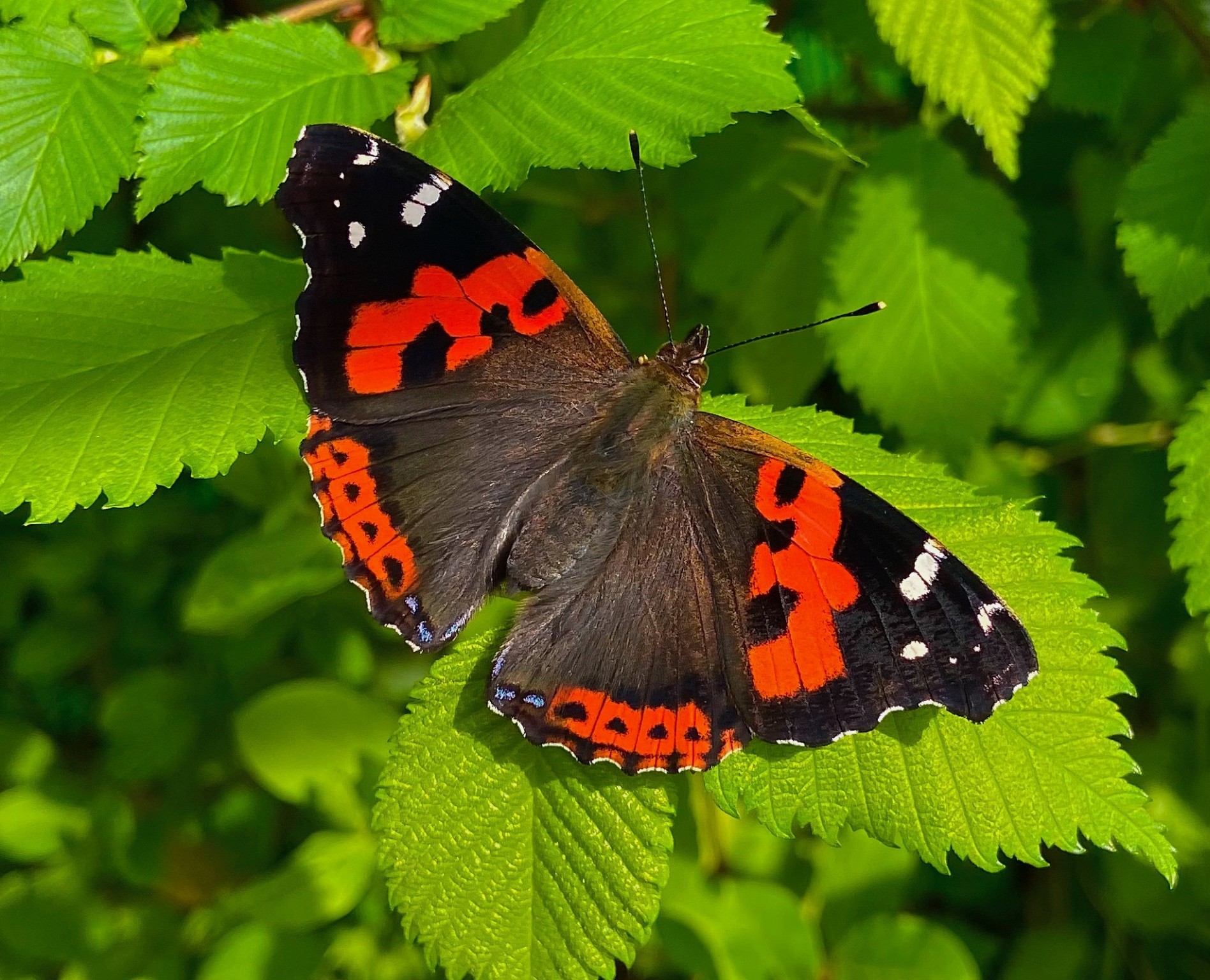
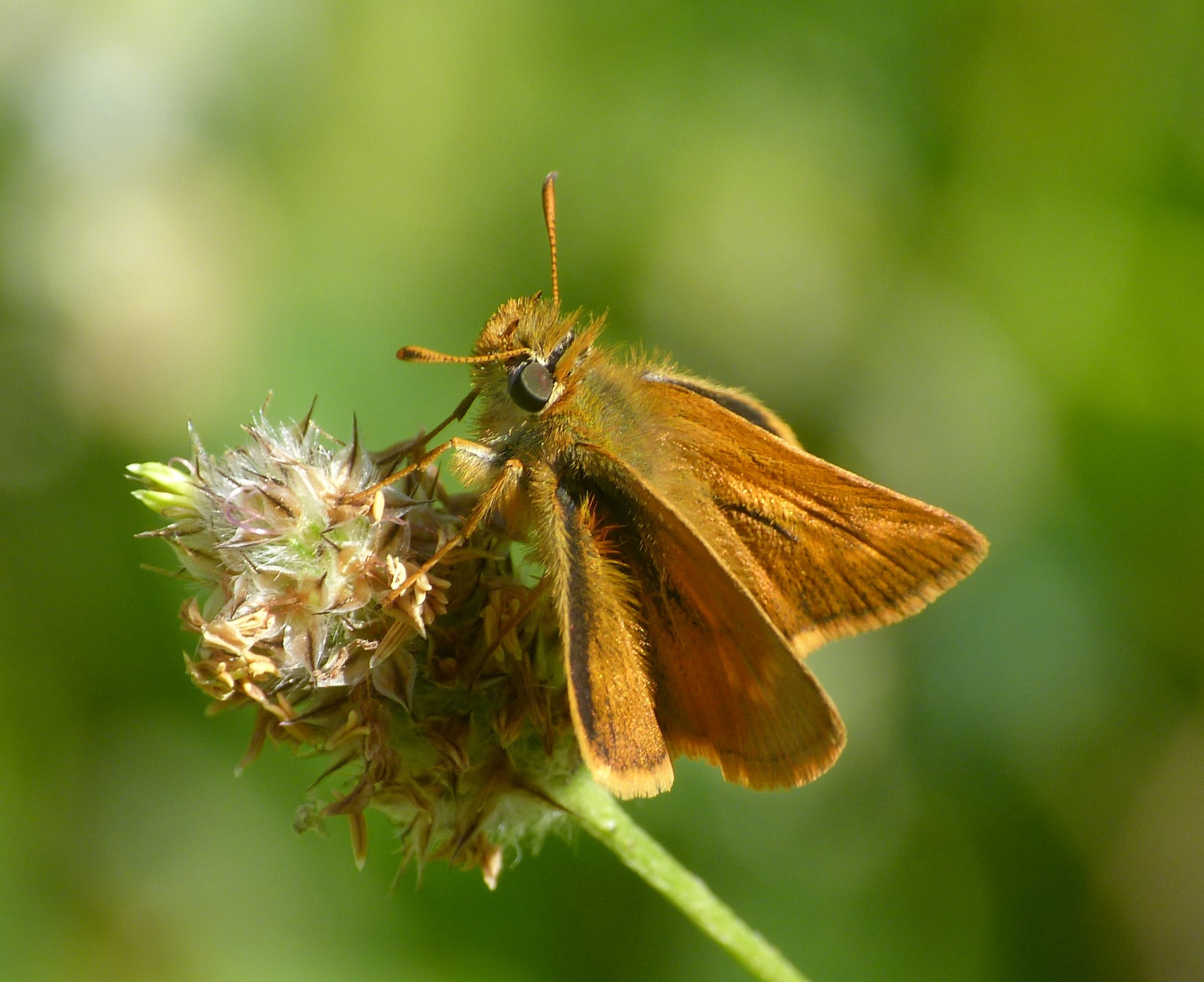
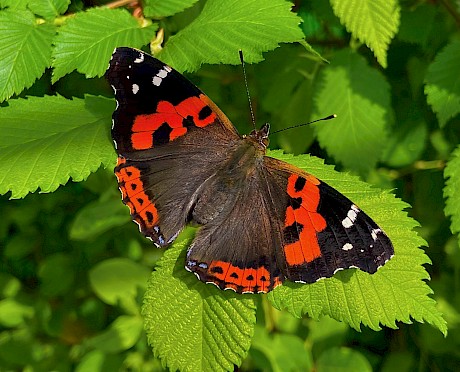
The scrubby valley and nearby laurel forest is a haven for endemic birds. We anticipate Tenerife Robin, Bolle's Pigeon, Canary Island Chaffinch et al. This area is also an excellent location for Canarian Bumblebee Bombus canariensis; a good site for Canary Red Admiral; and holds the possibilty of American Painted Lady too. If time allows we will visit the the nearby village of Santiago del Teide, for Atlantic Canary and Barbary Partridge, Canary Blue, and Canary Skipper.

  • DAY 3

Mount Teide and La Lajas

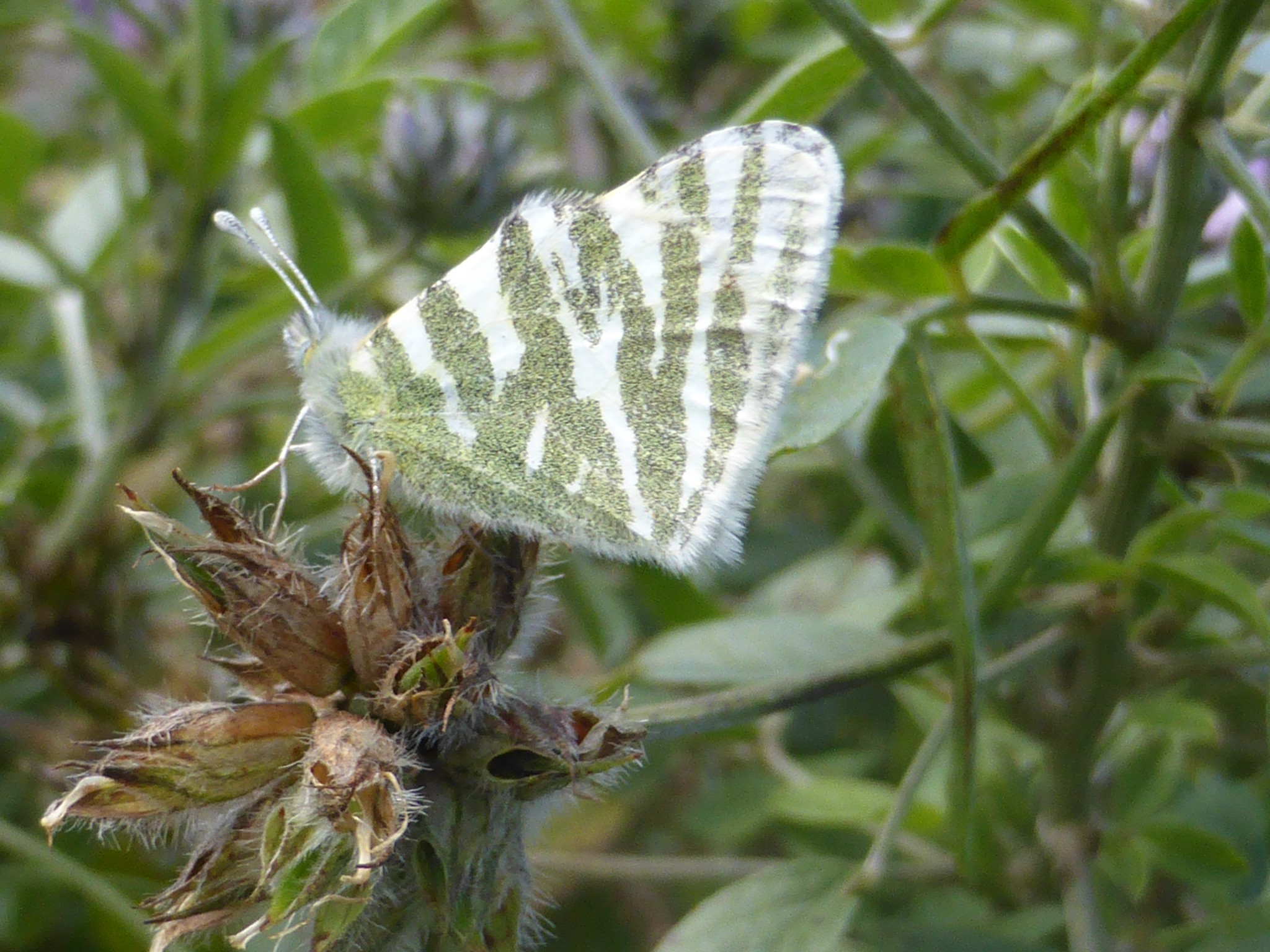
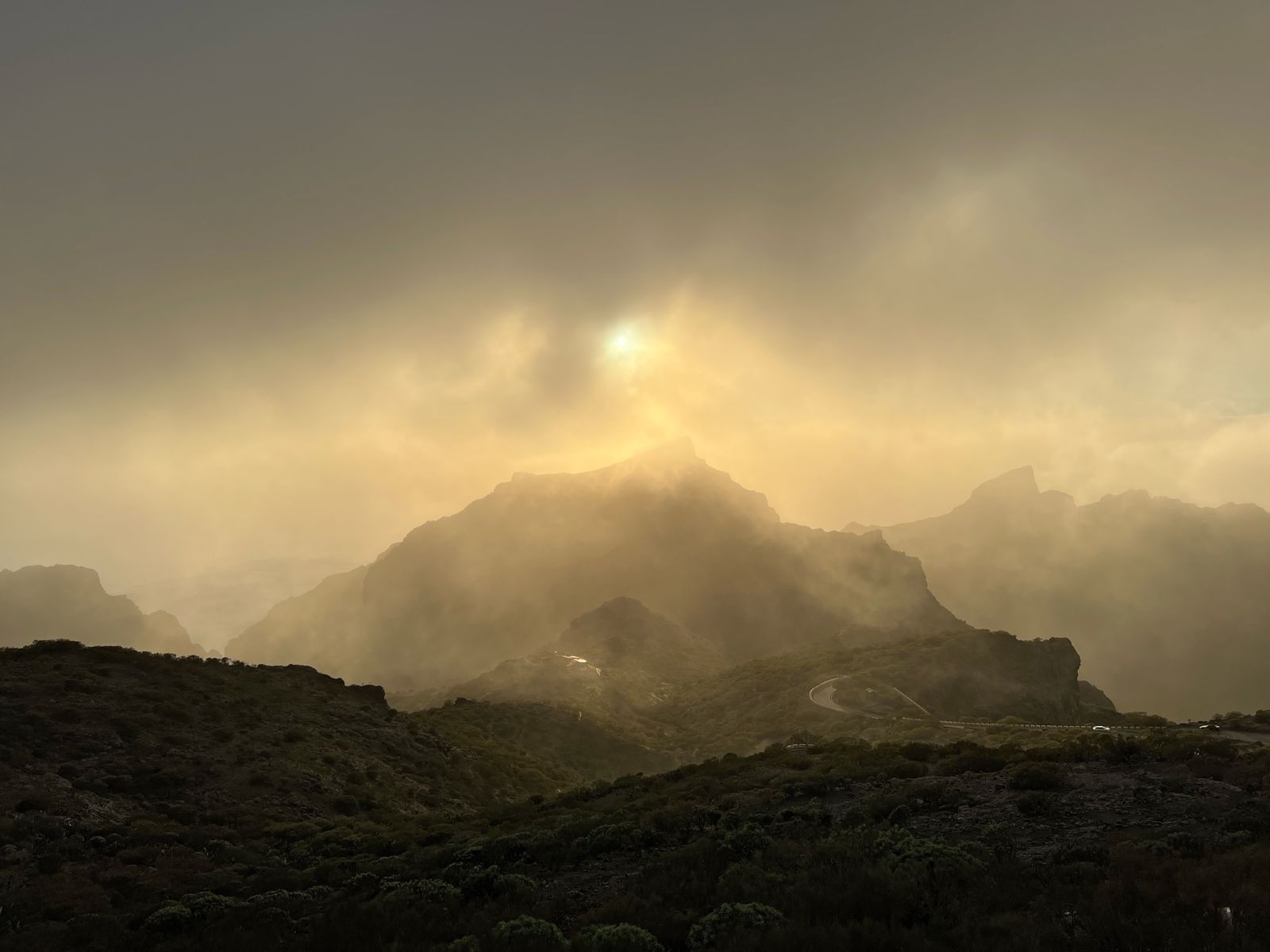
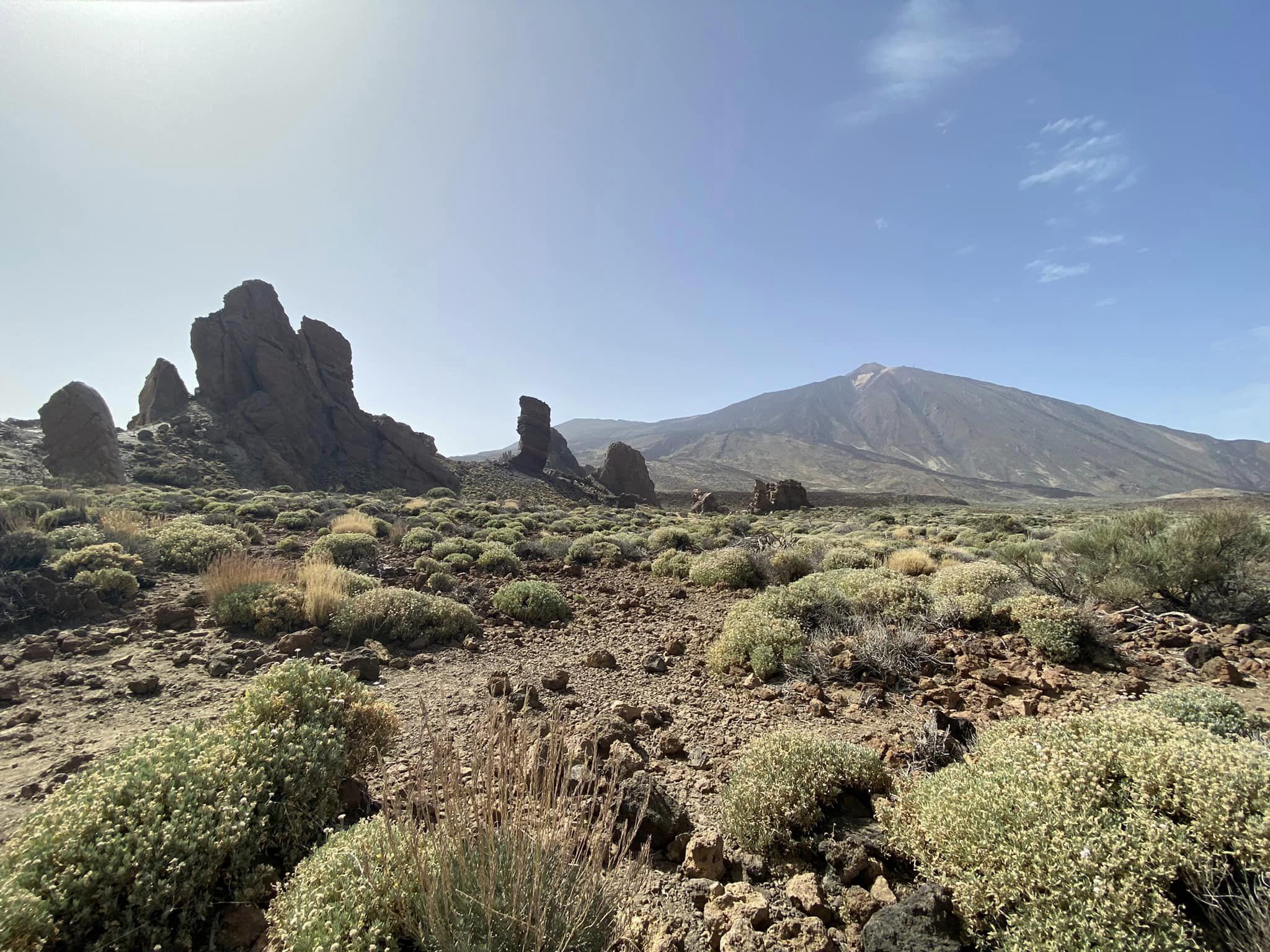
No trip to Tenerife would be complete without a visit to the mighty, slumbering volcano of Mount Teide. We will make various stops along the road to marvel at the jaw dropping scenery and, at altitude, will hope to encounter Tenerife Blue Chaffinch and Tenerife Green-striped White.


The lower slopes of the mountain are covered in vast tracts of Canary Island Pine Ppinus canariensis and, in these forested areas we will visit several sites in anticipation of Blue Chaffinch, Canary Great Spotted Woodpecker, and Tenerife Kinglet. We will hope to find Canary Orchid and Dense-flowered Orchid here too.

Teno Alto

for Tenerife Green Striped White, Parque del Drago Milenario for Monarch

  • DAY 4

Barranco de Ruiz


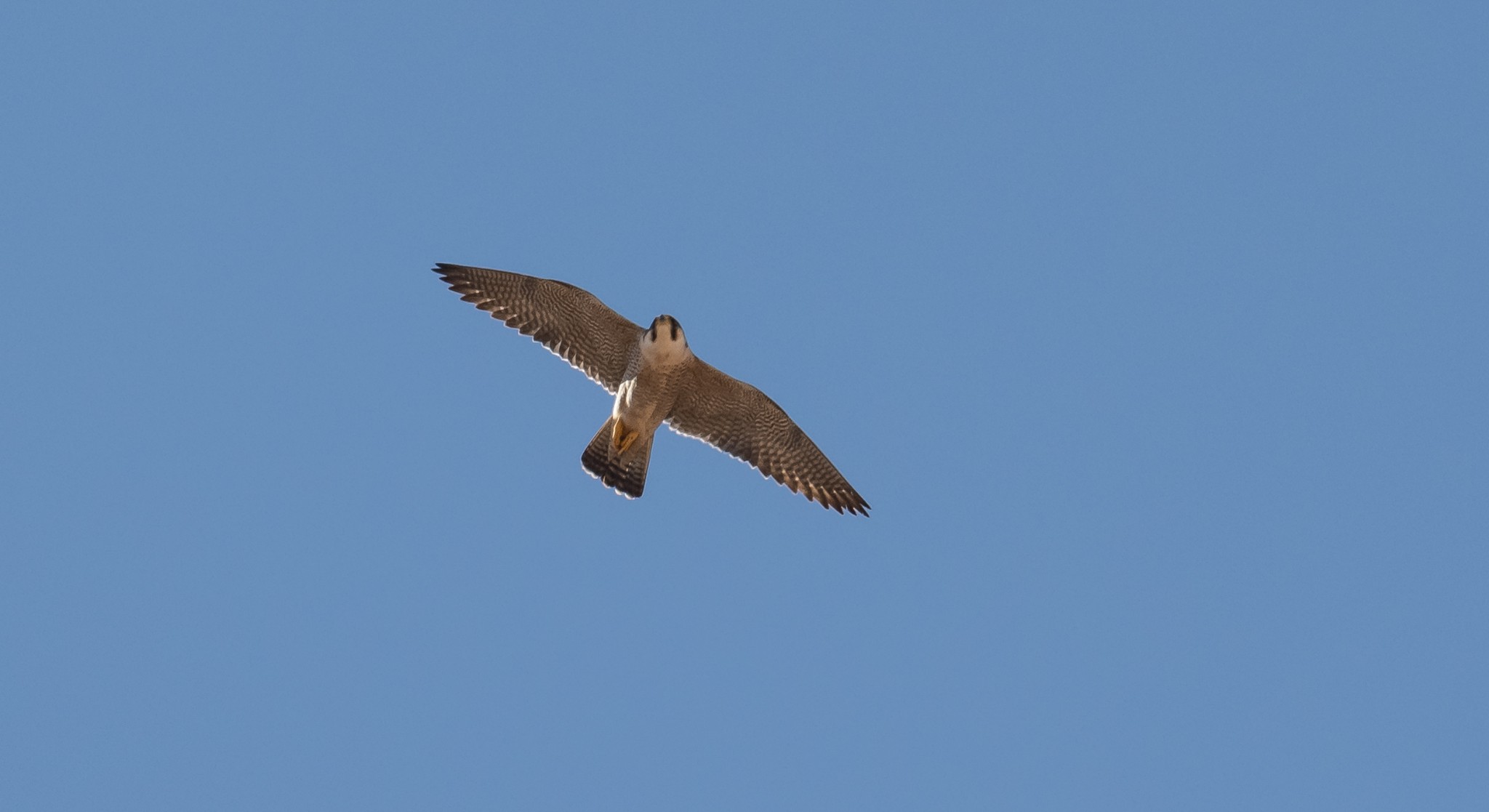
Birding highlights today should include Barbary Falcon, Canary Buzzard, White-tailed Laurel Pigeon, and Sardinian Warbler. On the butterfly front we will have our eyes peeled for the acid-yellow endemic Canary Brimstone, and the ubiquitous Canary Speckled Wood. We will make a special visit to Playa San Juan for African Migrant, an African Species on the very edge of its global range here. Outside of Africa, this is a tricky one to catch up with - and always a highlight.

  • DAY 5

Santa Cruz de Tenerife botantical gardens
These lush gardens offer the perfect environment in which to find two coloniser butterflies from either side of the Atlantic - from the Americas, Monarch; and from Africa, African Grass Blue, the one a giant and the other a mere scrap of a thing in butterfly terms, but both beautiful insects in their own right. The pools and streams within the palmetum are also excellent for drangonflies, and species seen may include Red-veined Dropwing , Epualet Skimmer, and Broad Scarlet. Both Hoopoe and Barbary Partridge make their home here too for added birding value.

Parque de las Mesas. The grass slopes here provide butterfly interest in trhe form of the endemic Canary Skipper and Canary Blue, while the brightly marked Southern Brown Argus may also be expected. We also expect notable birds, which may include endemic Berthelot's Pipit, the Canary subspecies of Kestrel, Canary Buzzard, and of course more Sardinian Warbler.

  • DAY 6

Teno Alto et al

A final day of revisiting highlights and, at Teno Alto, hoping for more endemic Tenerife Green-striped White and Canary Speckled Wood.

  • DAY 7

Return to Tenerife South airport

and tour concludes.

As with all of our tours, we want our guests to enjoy the very best views of the very best wildlife and, as such, we think it’s important to retain a little flexibility in the holiday itinerary. This means that we may choose to swap days around to take into account local weather conditions, or the timing of the flight or flowering season we find upon arrival at our holiday destination. Rest assured, we will ensure you visit all the best sites, and we have your best interests and comfort at heart!

Testimonials

  • Jenny C
    Superb company. Expert knowledge, with both a butterfly and a bird specialist. Great communication and well organised, with high-quality accommodation and food.
Follow our tours on our Instagram!